
BERTA-BLANCA T.IVANOW: MATTER THAT BREATHES
Sophie Chen
Words: Inma Buendia
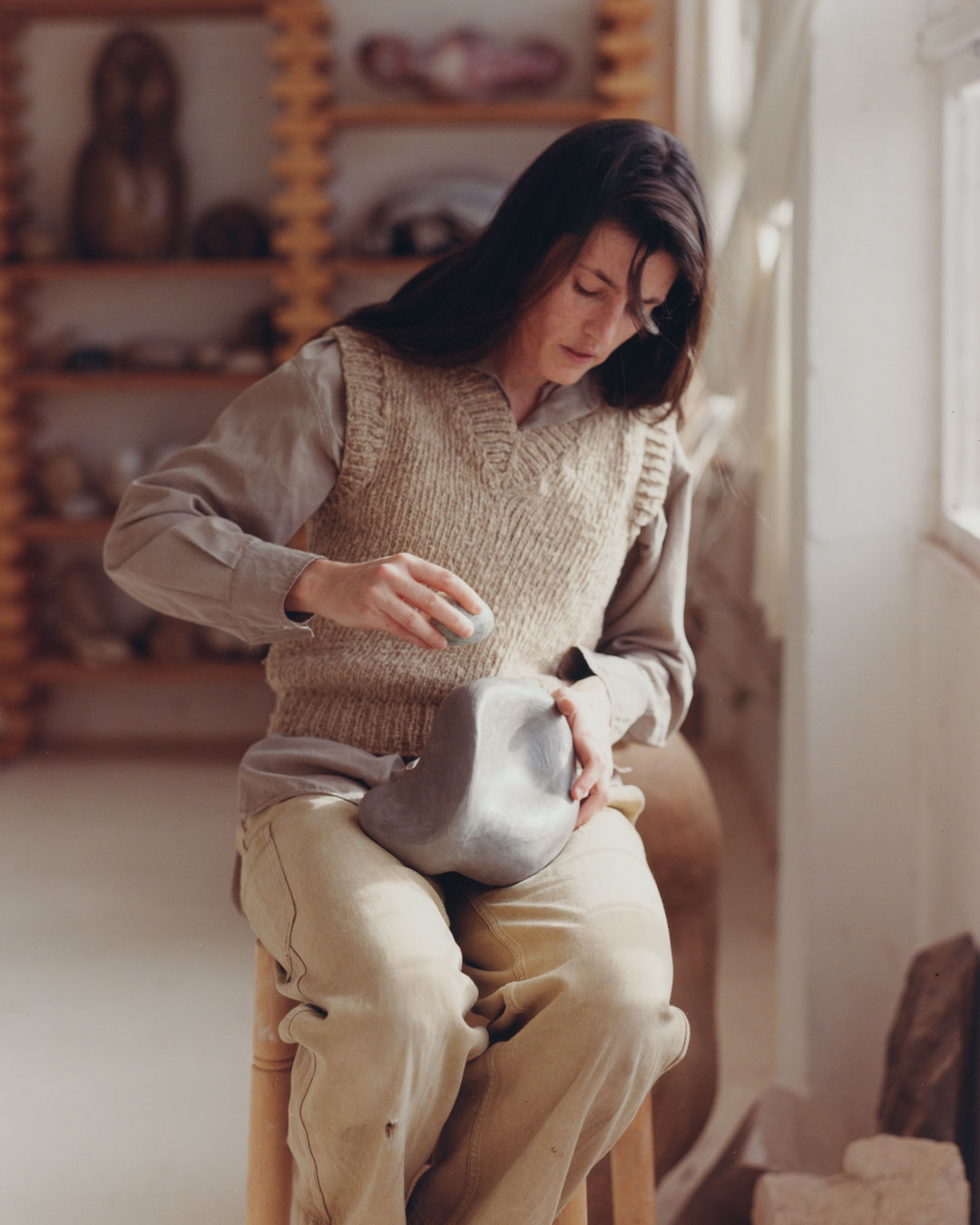
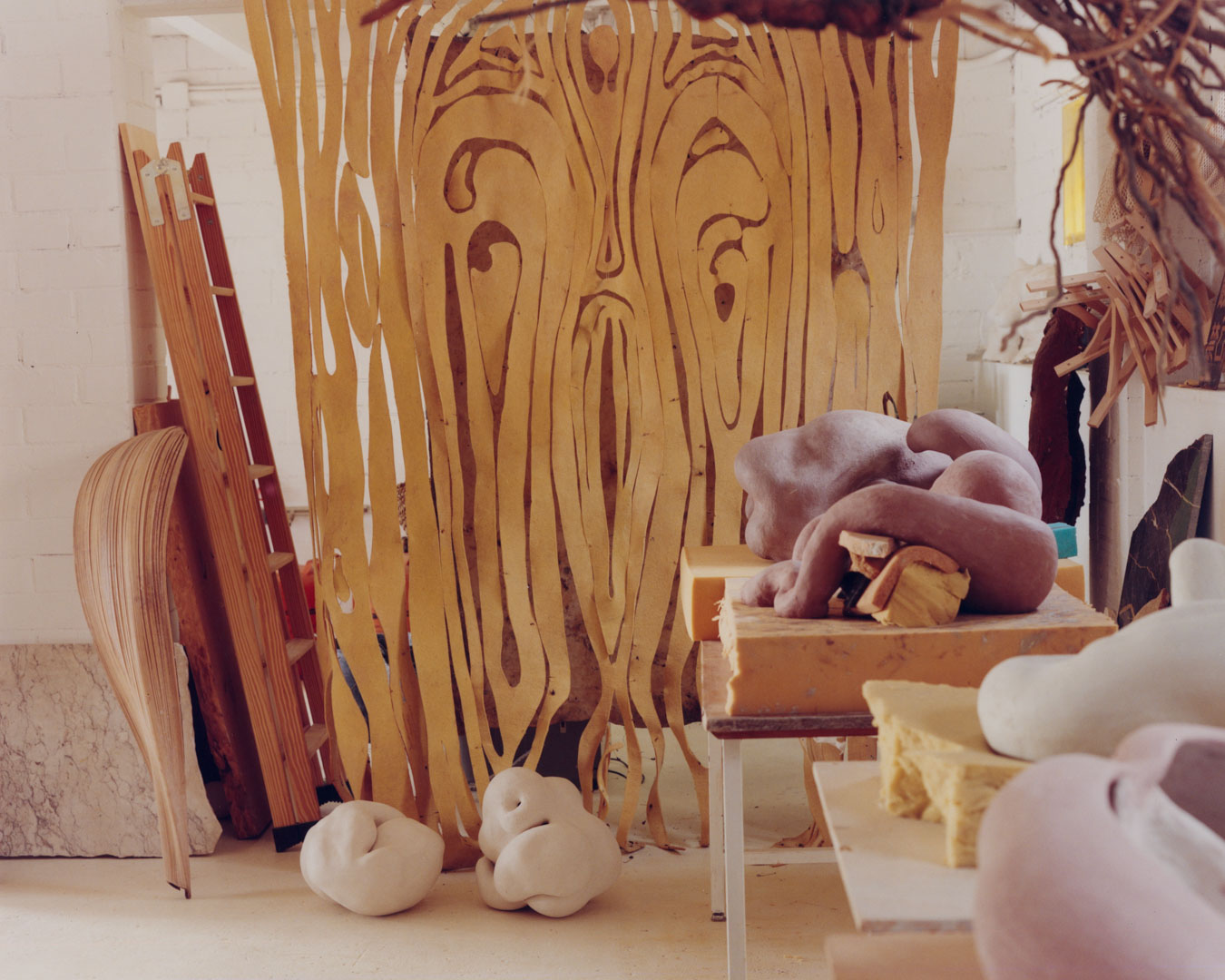
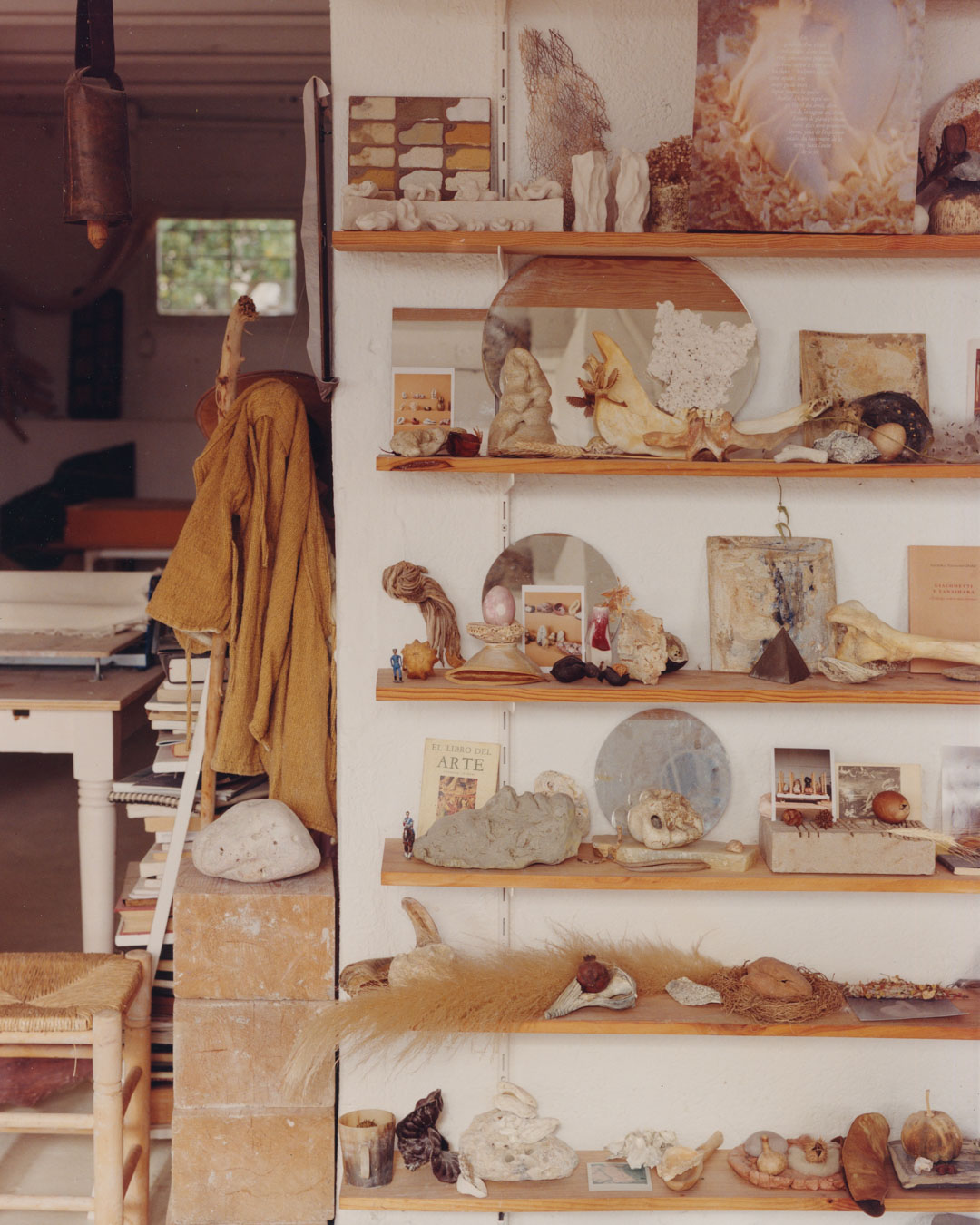
In Berta-Blanca T. Ivanow’s atelier, time doesn’t move forward; it thickens. There are maquettes, tests, works in progress; dust, ash, fragments waiting. Two kilns set the rhythm, as if everything revolved around a slow combustion. The space is a place of work, certainly, but also a living archive, an accumulation of gestures repeated until they become language.
Some trajectories unfold in a straight line; others loop back on themselves. Hers passed through Central Saint Martins in London and later The Art Students League of New York —places where form is considered before it exists— but it was upon returning that the question sharpened. Not so much what to make, but how to make something live. How to sustain that vibration over time.
Ceramics appeared then not as a choice, but as a consequence. In La Bisbal de l’Empordà she learned that earth is not an inert material, that it holds memory and a form of resistance. “I’m leaving something here,” she says. In that sentence there is a position: not to impose weight, not to cover over. To leave more earth upon the earth. To work from that place is to accept a limit, but also a quiet ethic.
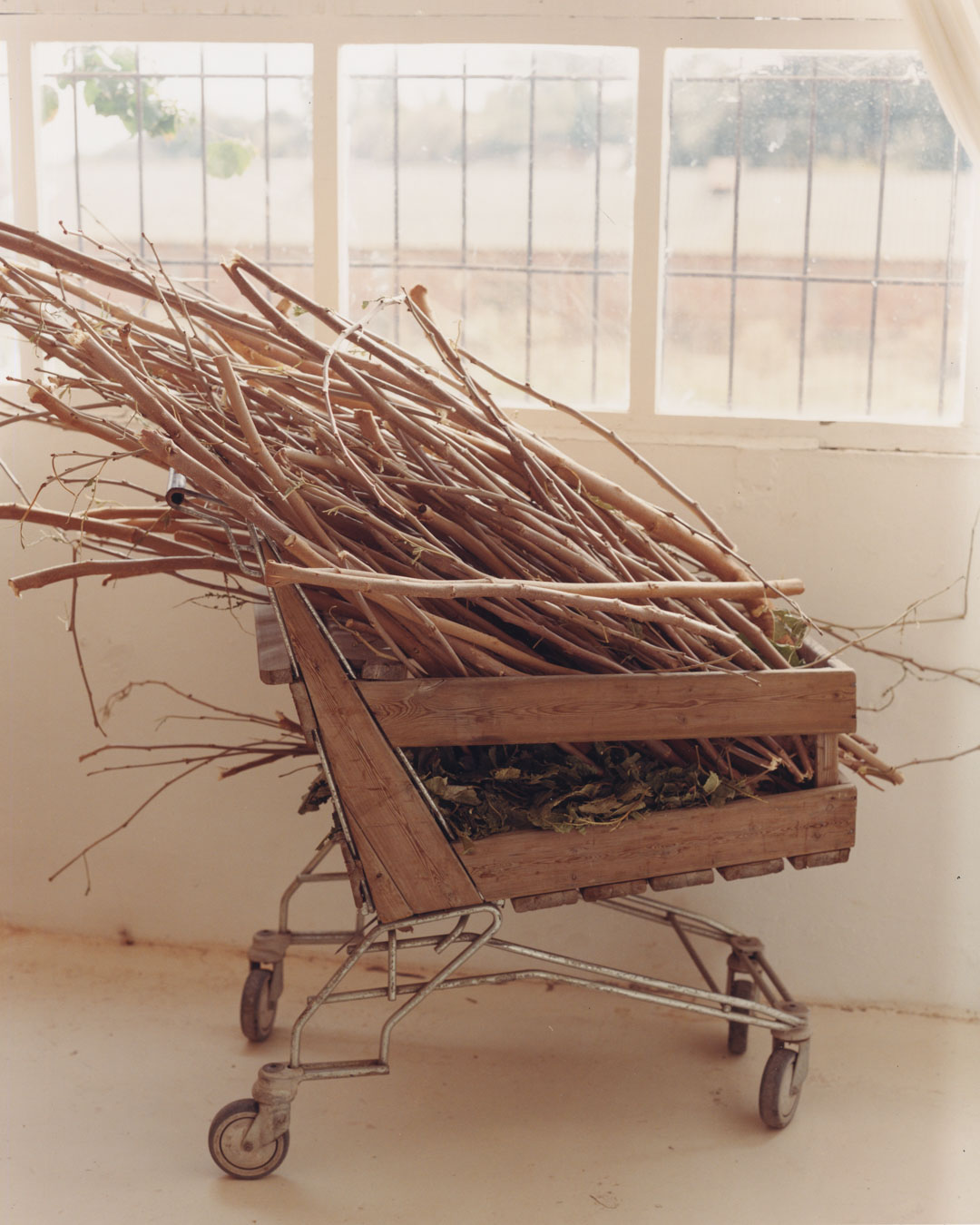
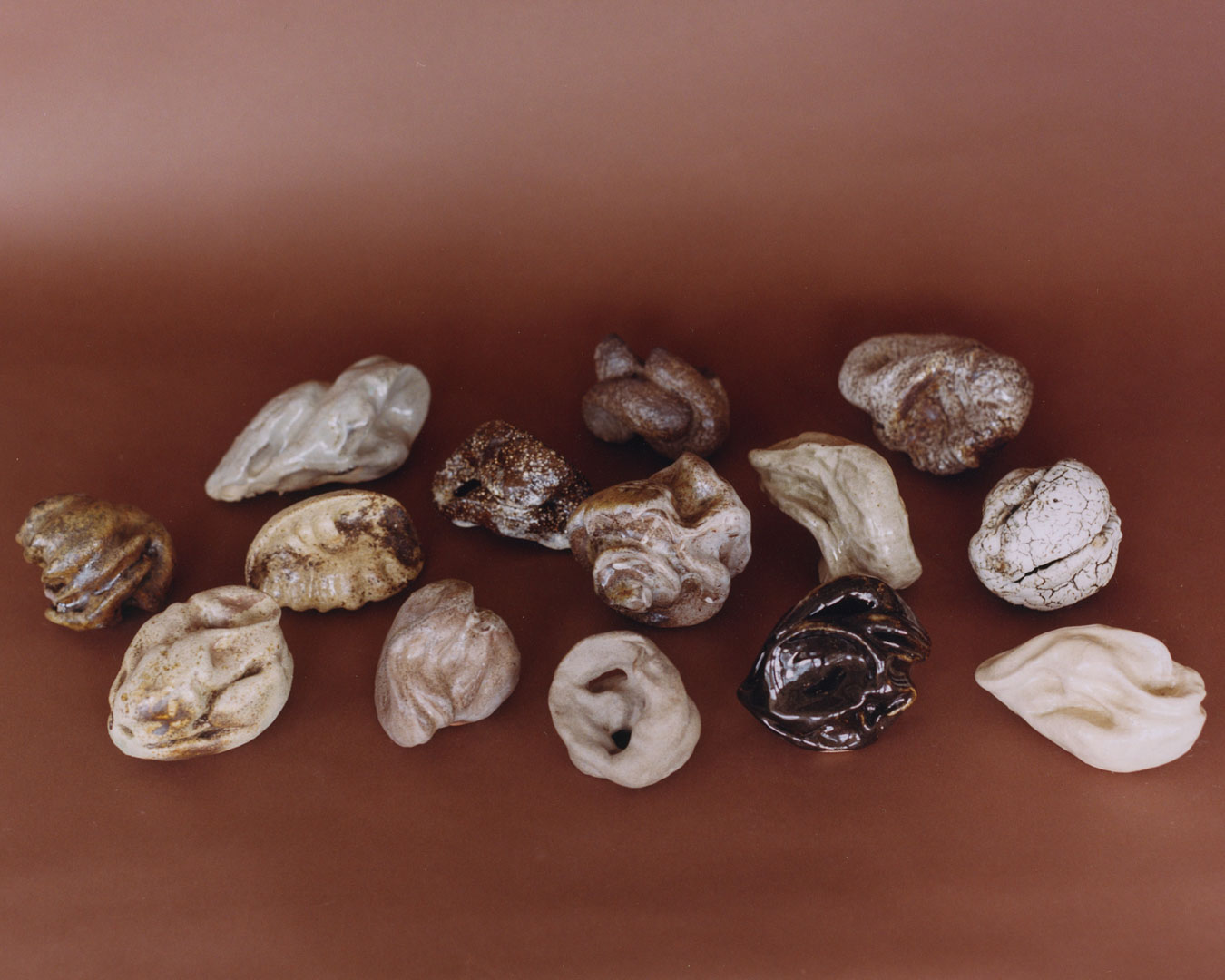
The wood-fired kiln condenses that relationship. Ash is not residue: it is transformation. Each tree, a different tone. Each firing, a result that will not repeat itself. In contrast to the precision of the electric kiln, here there is a constant negotiation with the unpredictable. A margin of error that is not corrected, but absorbed. “Everything reveals itself in the process,” she says. As if looking too soon might break something.
In 2021 she moved to Teià, in the Maresme. There are places one does not entirely choose, but rather recognises. From the atelier, the Mediterranean appears as a line that shifts with the light. “It gives me peace,” she says. But it is not a peace that translates into gentle forms; rather, into a way of inhabiting time —slower, more attentive, less hurried toward an ending.
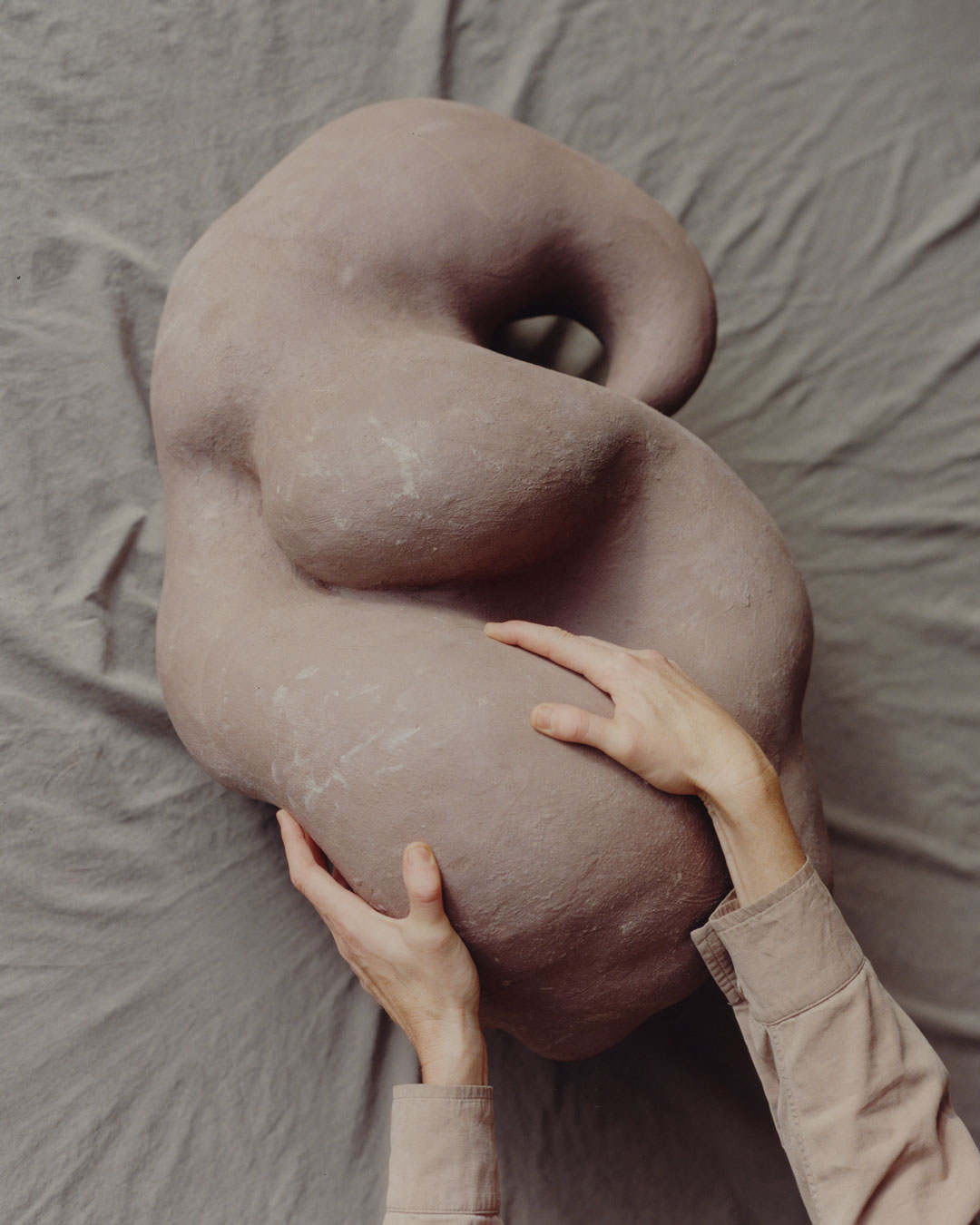
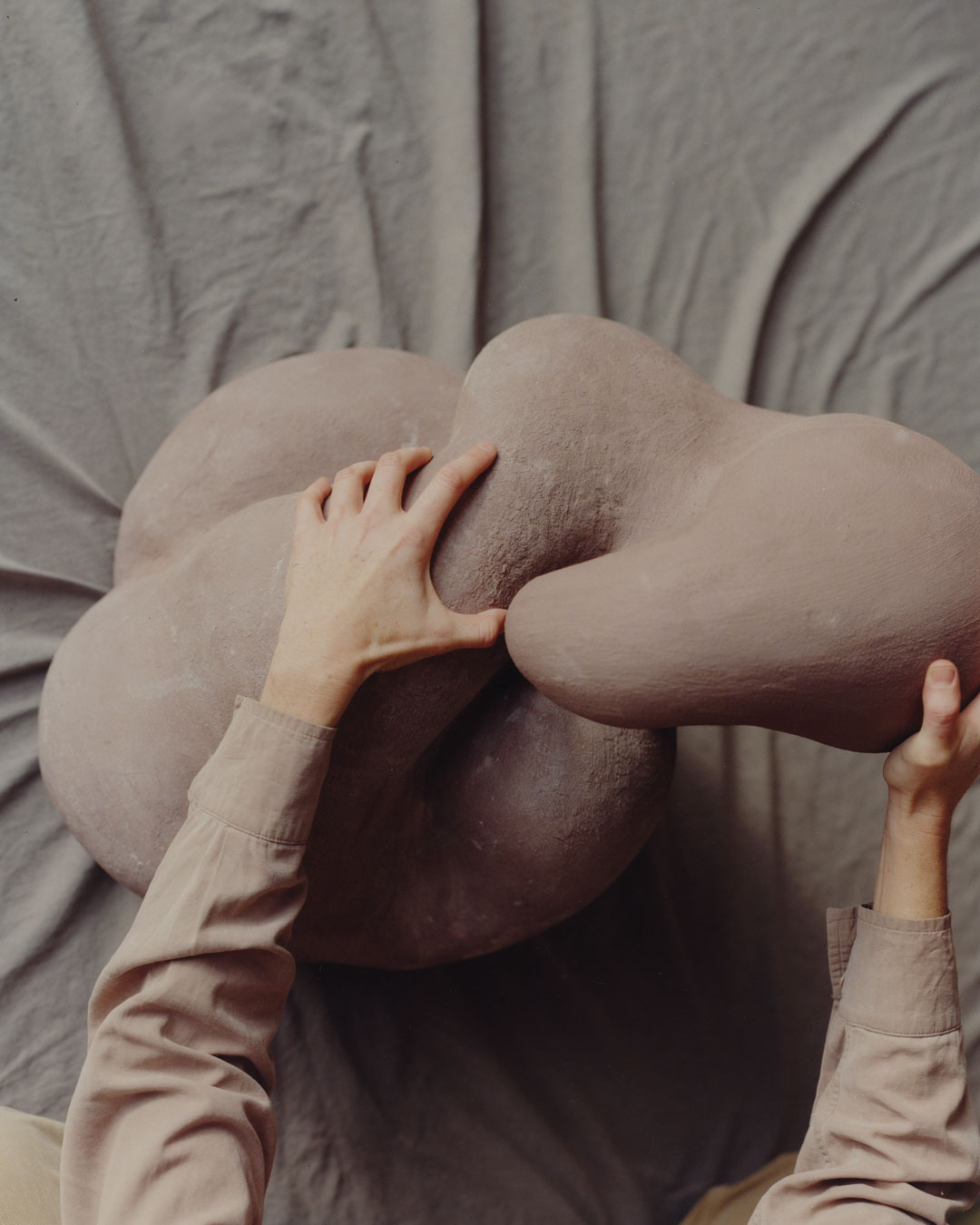
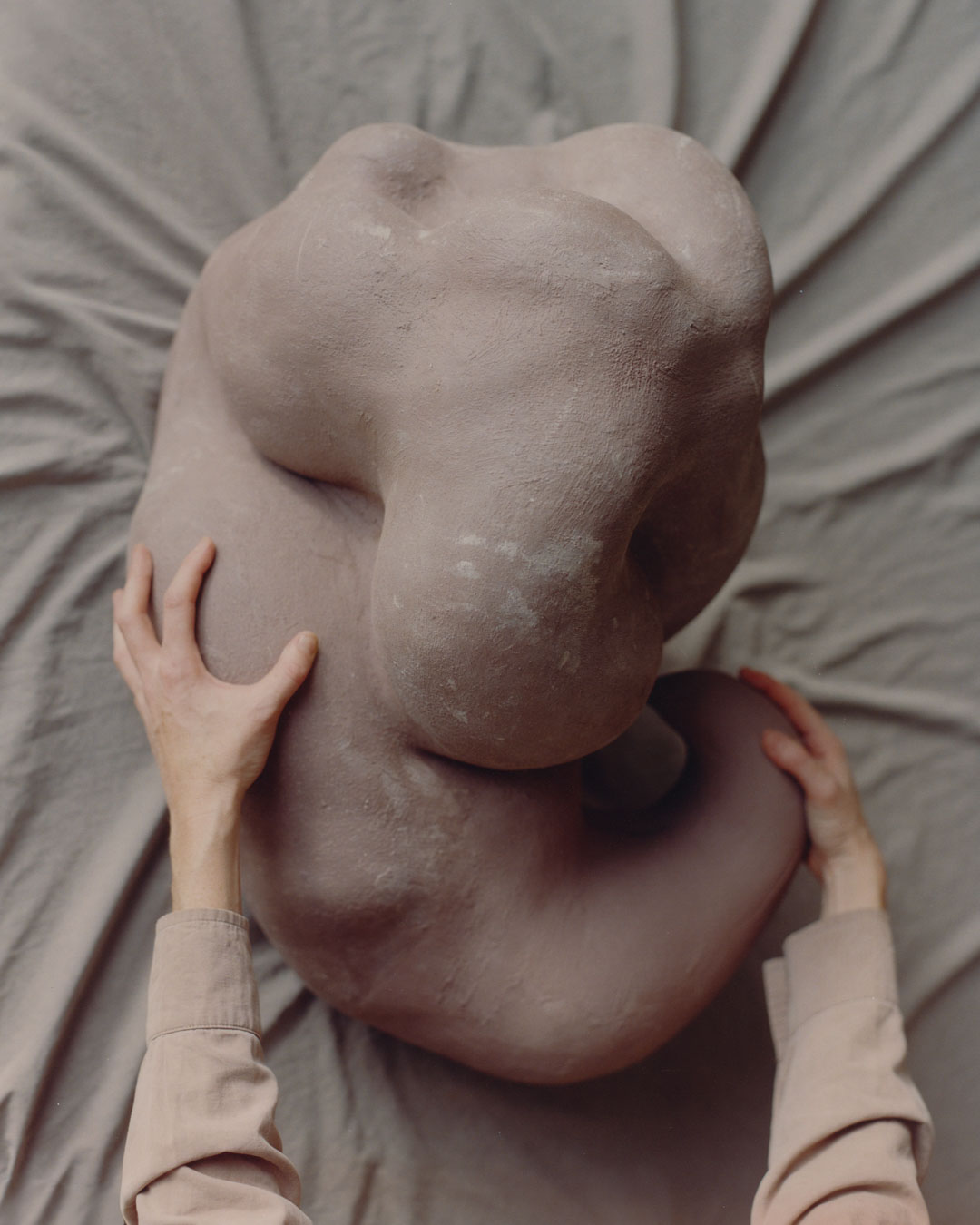
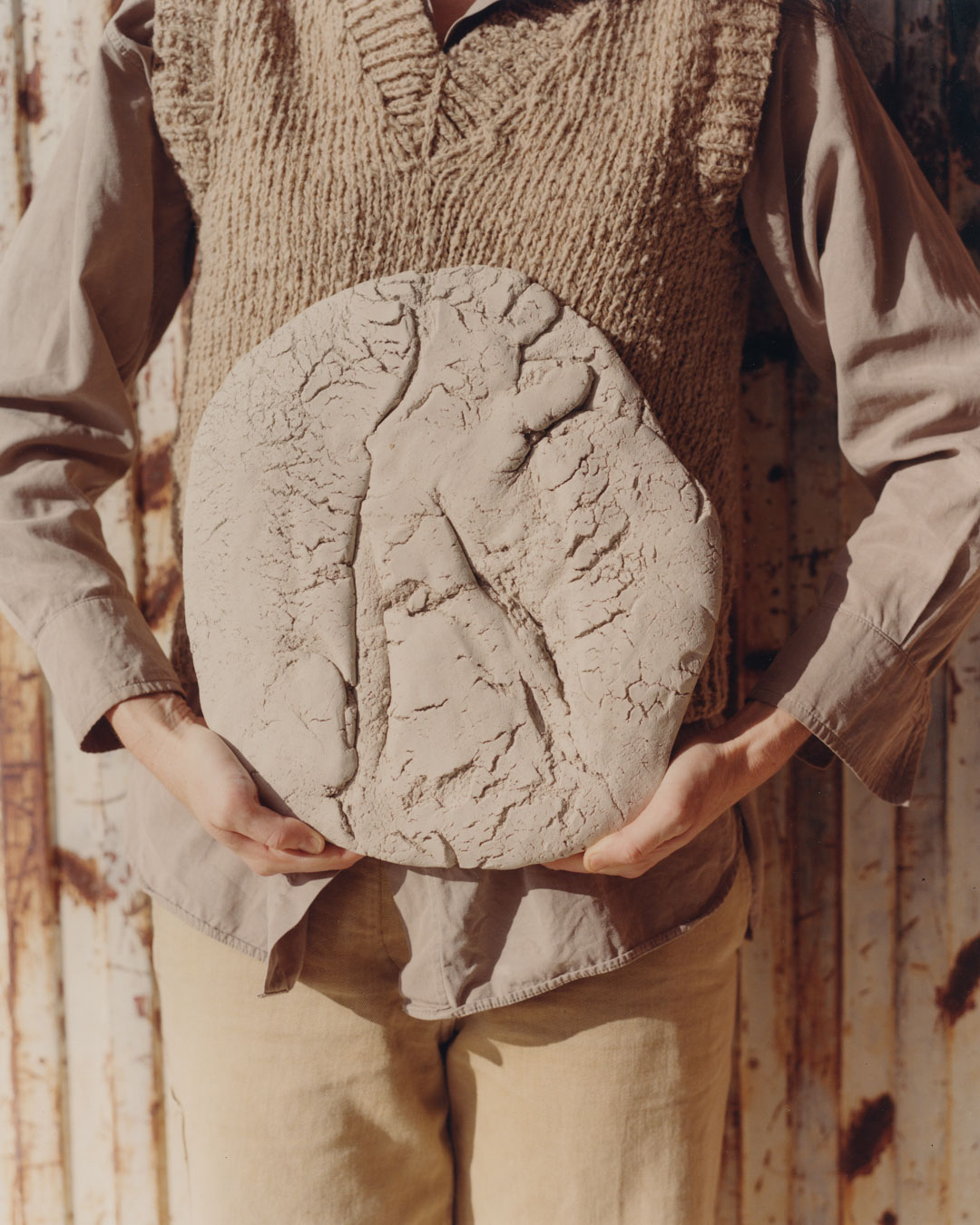
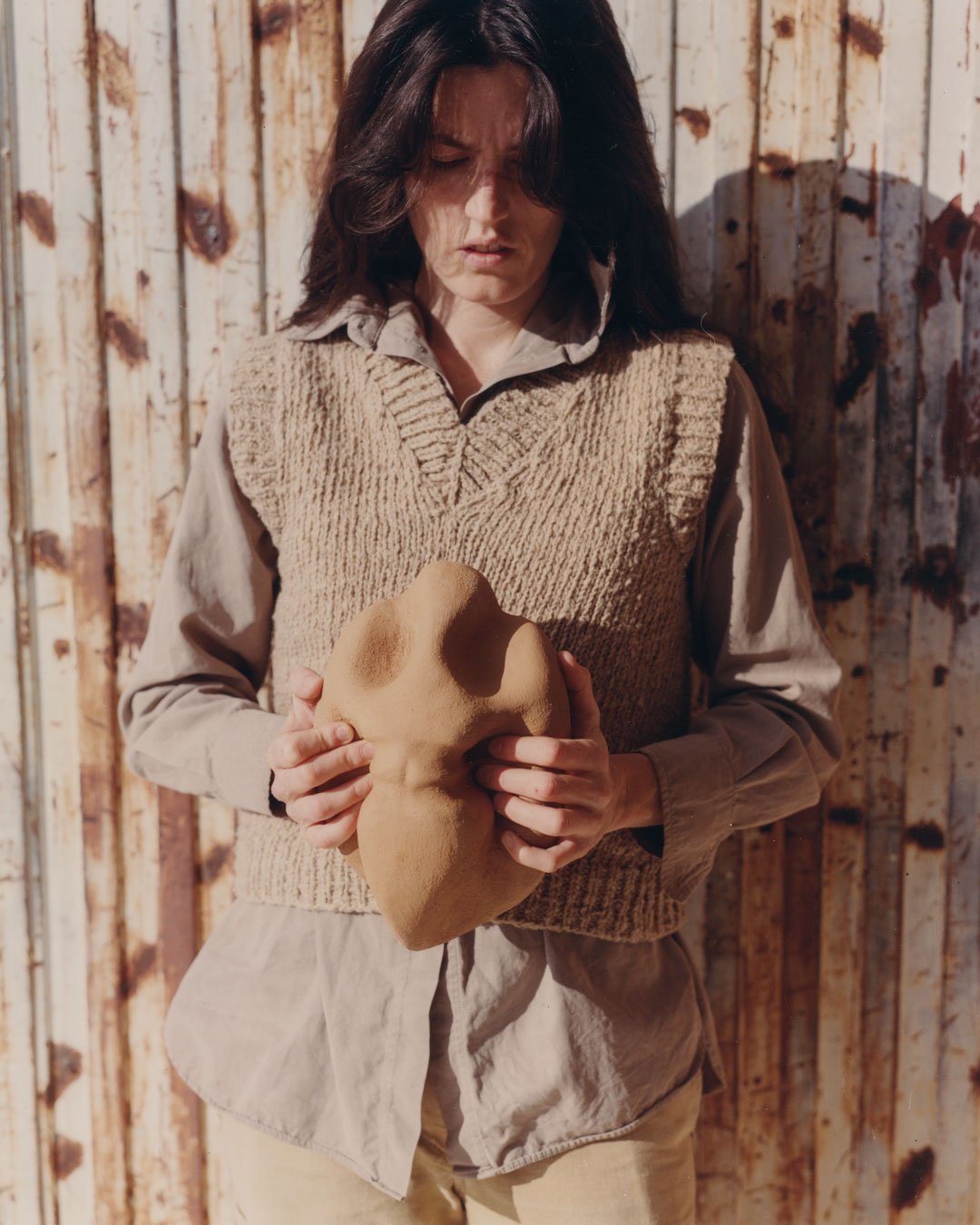
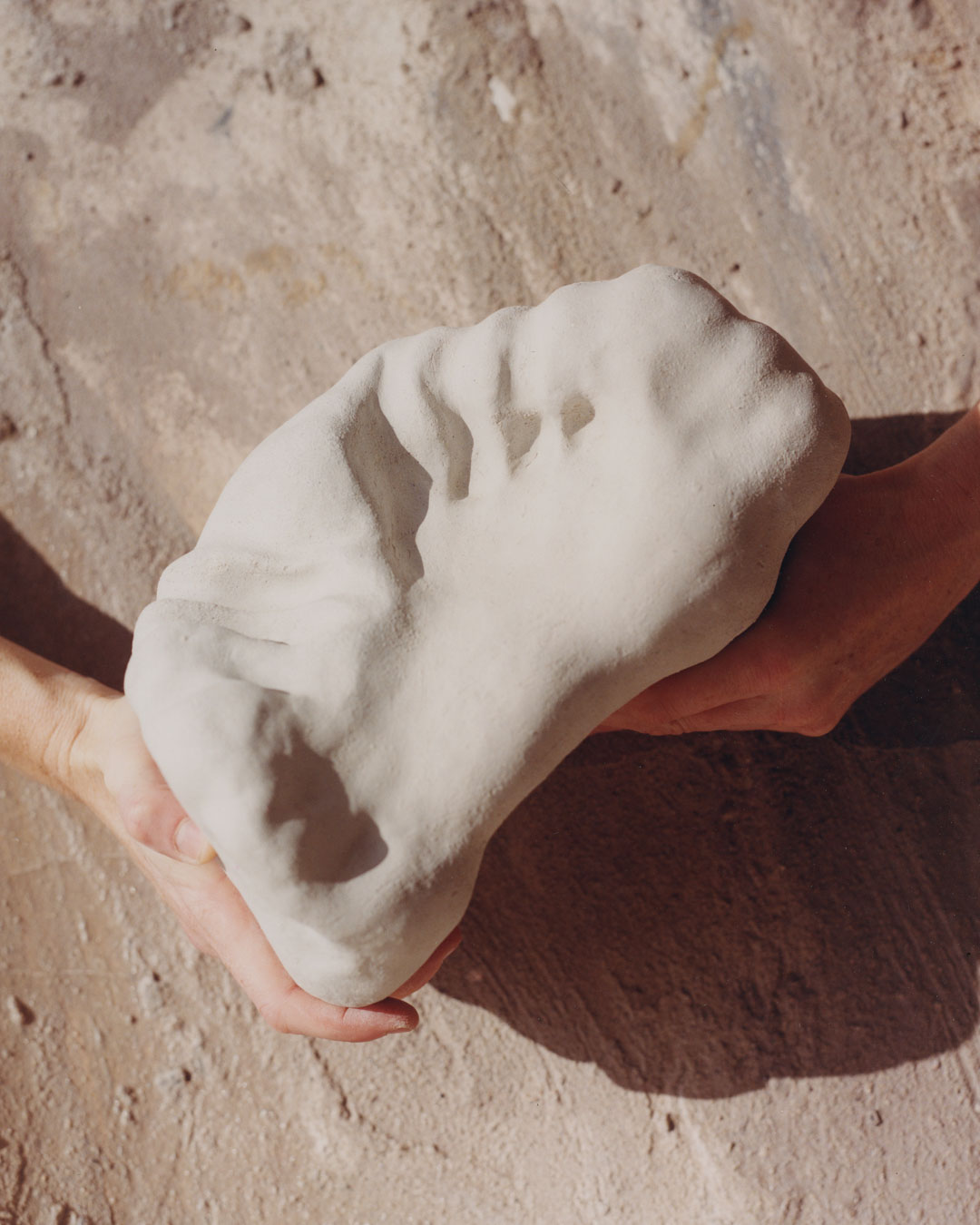
Her pieces do not seek to represent. They move closer to a record of the body: folds, tensions, surfaces that seem breathed rather than shaped. She works on the wrinkle as one insists on an idea not yet fully understood. Everything is built by hand, hollow, in a fragile balance between control and drift.
There are no reference images. No sketches that anticipate the outcome. “Life itself already has a thousand inputs,” she says. Perhaps for that reason the work takes place elsewhere, closer to repetition than to inspiration, to a kind of insistence that does not seek resolution, but continuation. What she does resist is stillness. The piece as a closed, self-sufficient, finished object. There is something in that which feels insufficient. She prefers to think of works that activate, that require a body or a context in order to be completed. Ceramic instruments —flutes, whistles— that do not simply occupy space, but pass through it; that introduce sound, air, and breath.
At times she imagines taking them to the sea. Entering the water and sounding them there, where the boundary between inside and outside dissolves. The reference is ancient —Mexican clay instruments— but the gesture is immediate, almost inevitable. Returning to the same question from another place. Because, in the end, everything turns around that. How to make a piece that is not only matter, but presence. How to sustain something that, even in stillness, continues to breathe. And perhaps also that other, more elusive moment: when someone enters the space, touches a piece, hears its sound —or its silence— and understands, without explanation, that something is happening there. Something that cannot be fixed, yet remains.
words: Inma Buendía
Sophie Chen
Sophie Chen (b. 2001) is a Chinese photographer based in Barcelona working with a documentary approach. Her work focuses on the relationship between people, land, and culture. Alongside her photographic work, she is the founder and editor-in-chief of Off-Menu Magazine, an independent print magazine exploring food culture through visual storytelling.