
THE GELINA OF RIBNOVO
Alex Kurunis
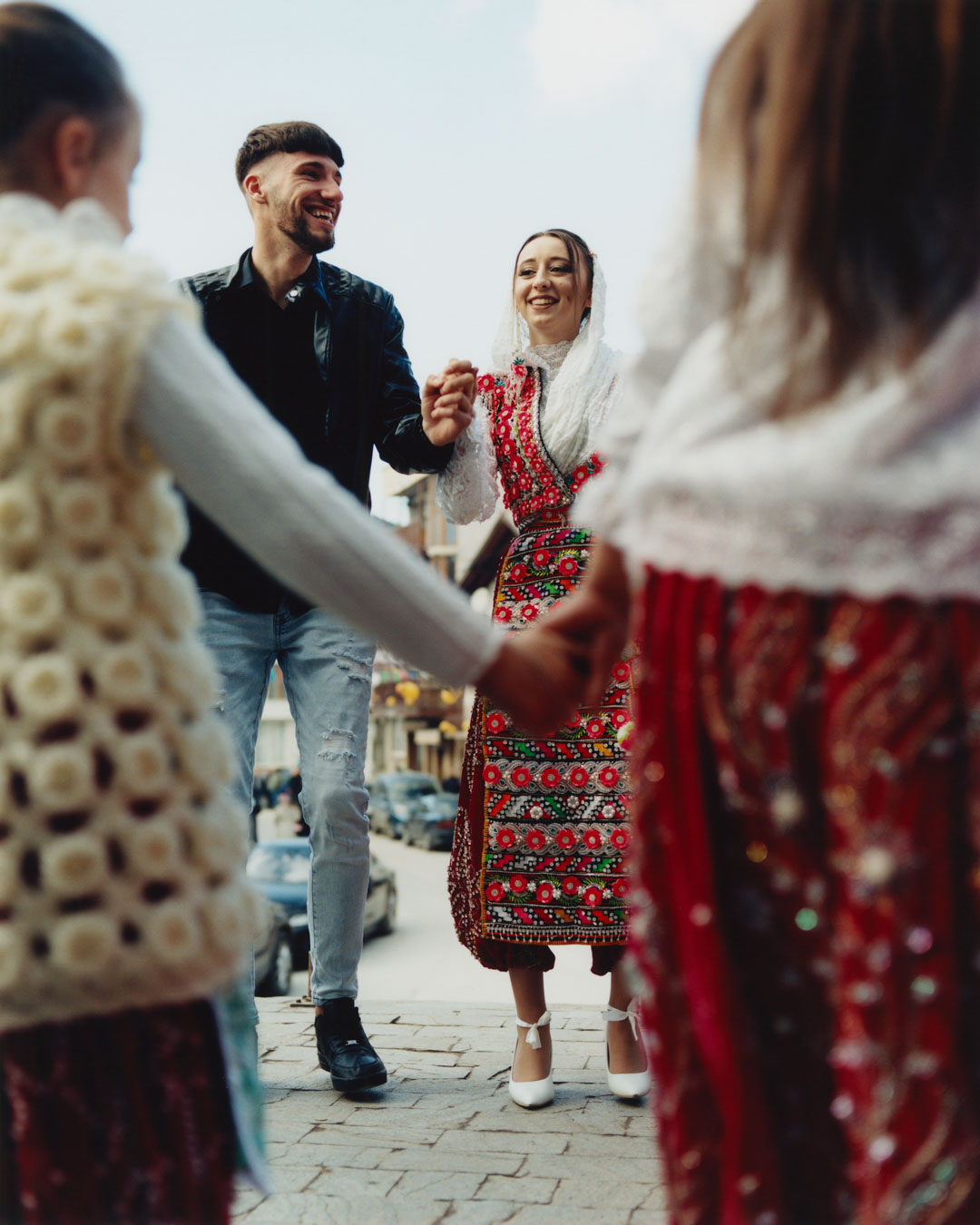
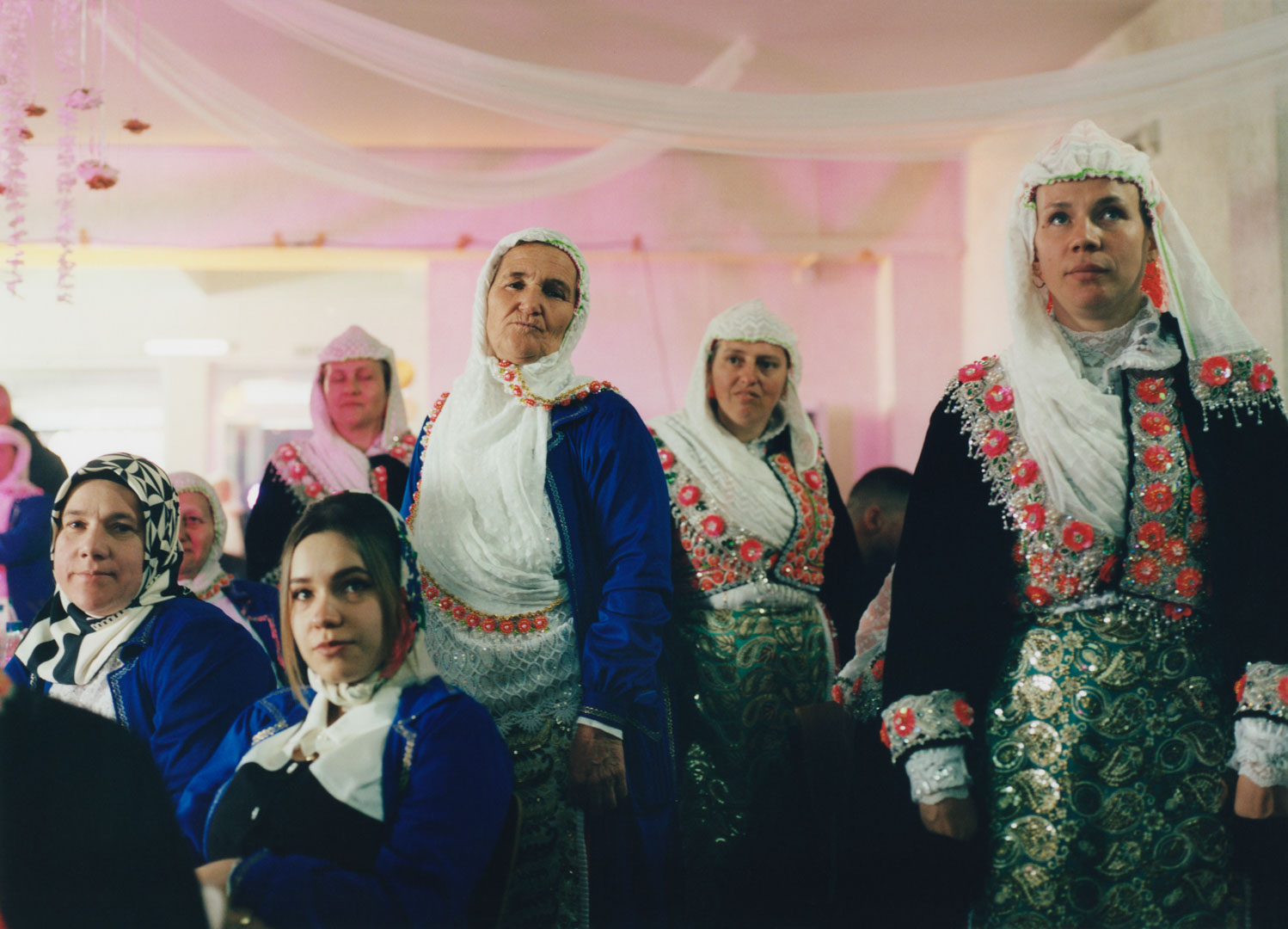
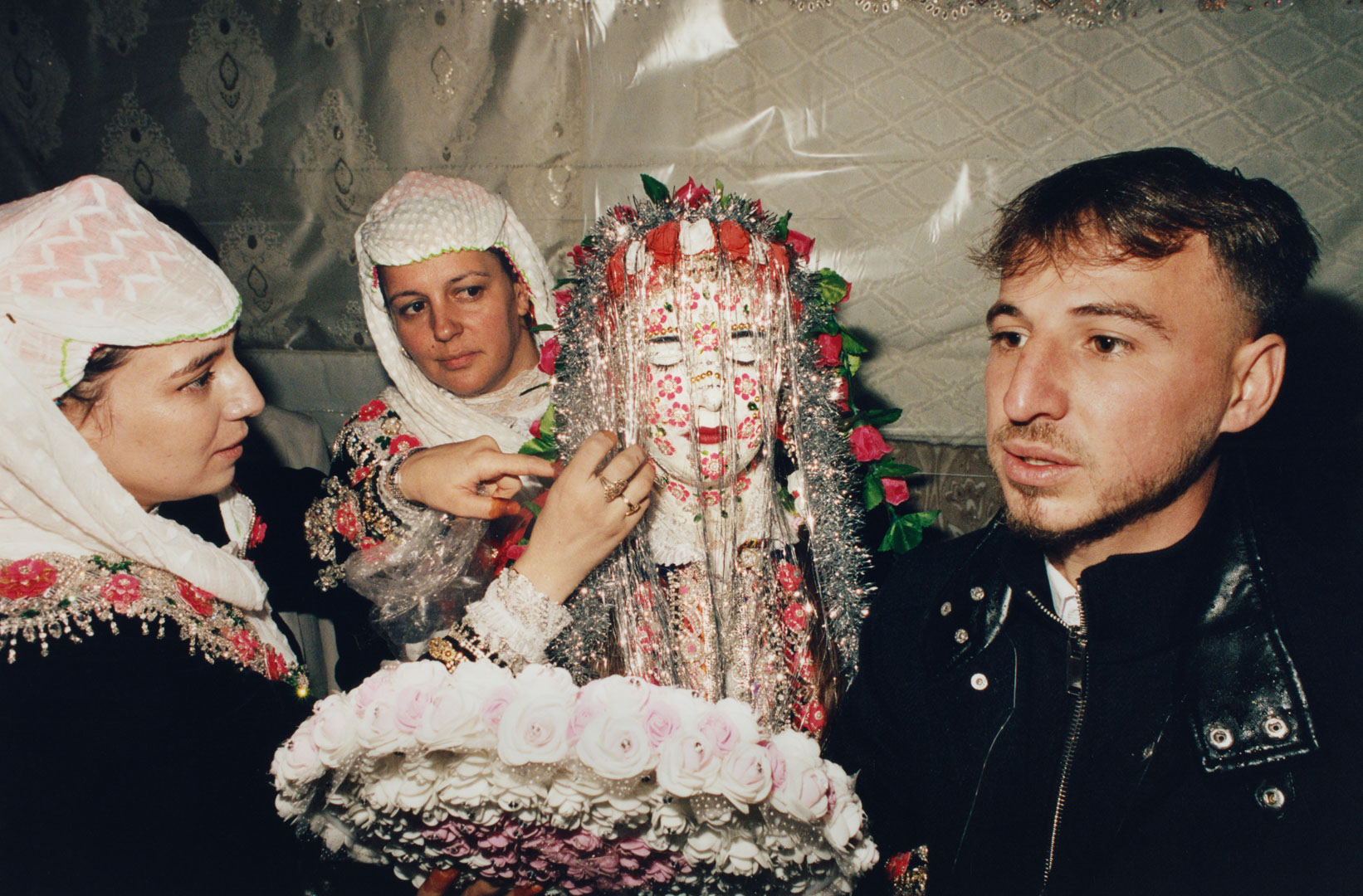
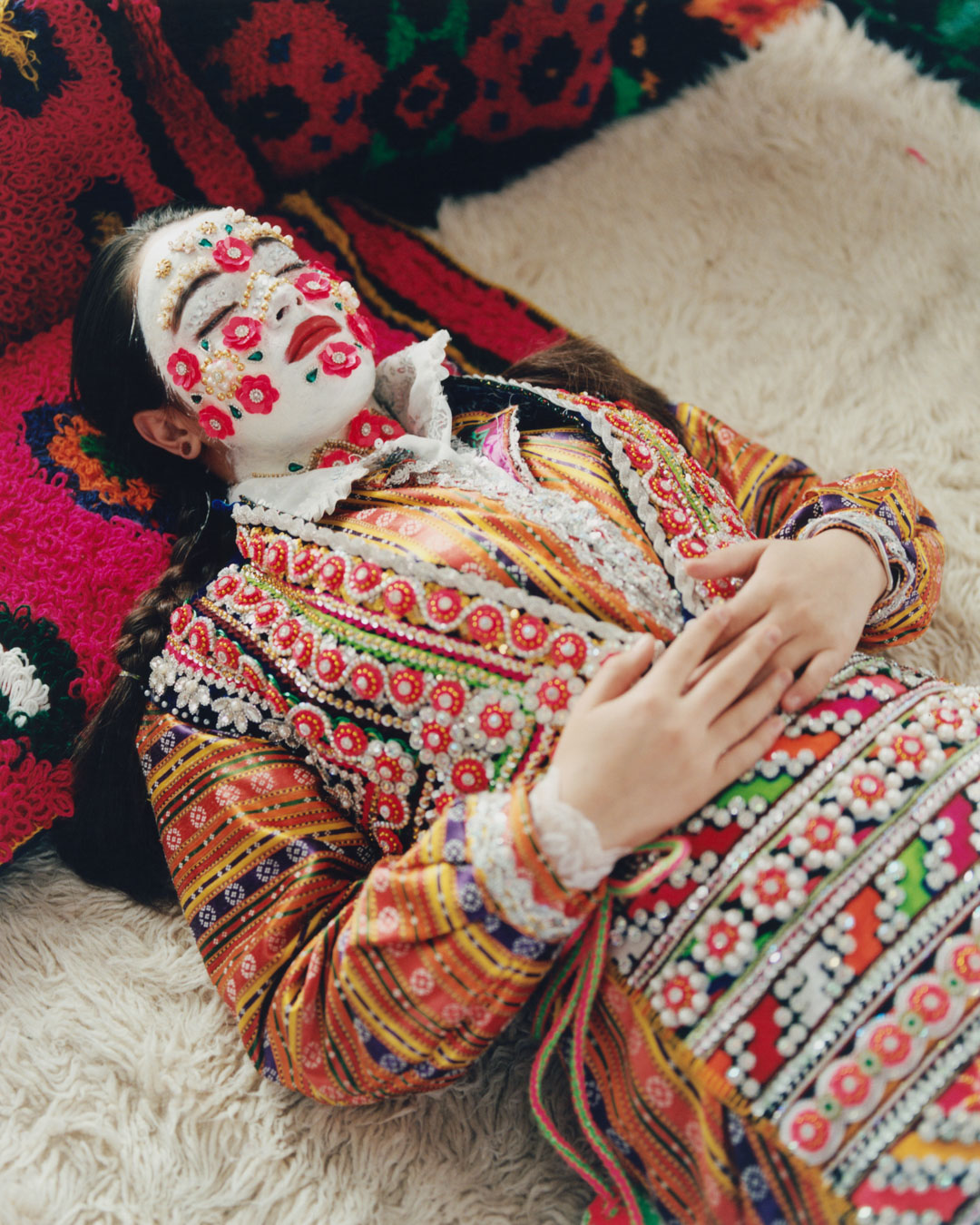
Set high in the Western Rhodope Mountains, the village of Ribnovo occupies a distinctive place in Bulgaria’s cultural landscape. This photographic story documents a traditional Pomak wedding in Ribnovo, centering on the centuries-old ‘Gelina’ bridal customs and the communal celebration that surrounds the ceremony. The 4 day wedding proceedings involve an array of customs and preparations that unfold across the village, revealing a wedding that is not a single event but a collective act shaped by history, faith, and place.
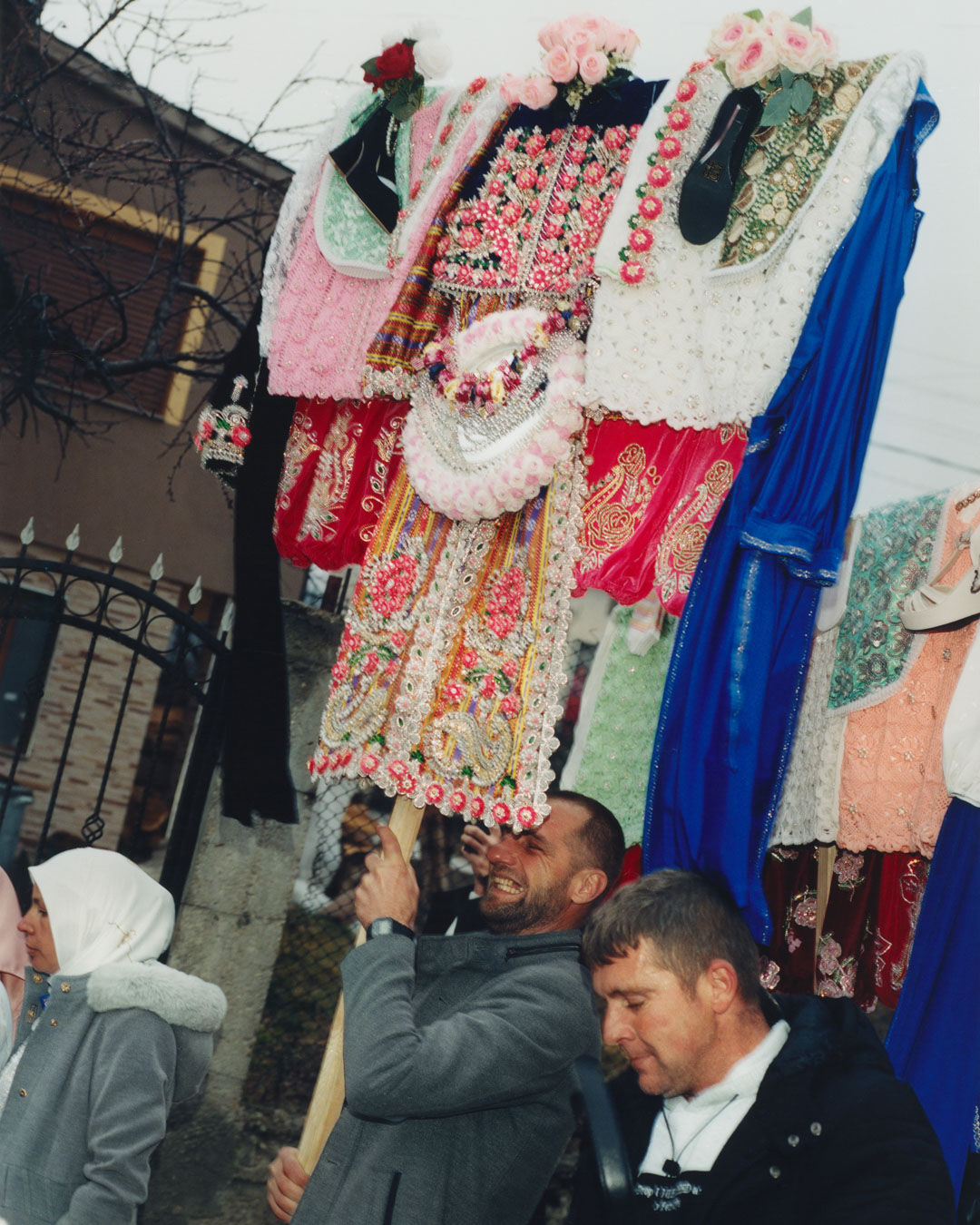
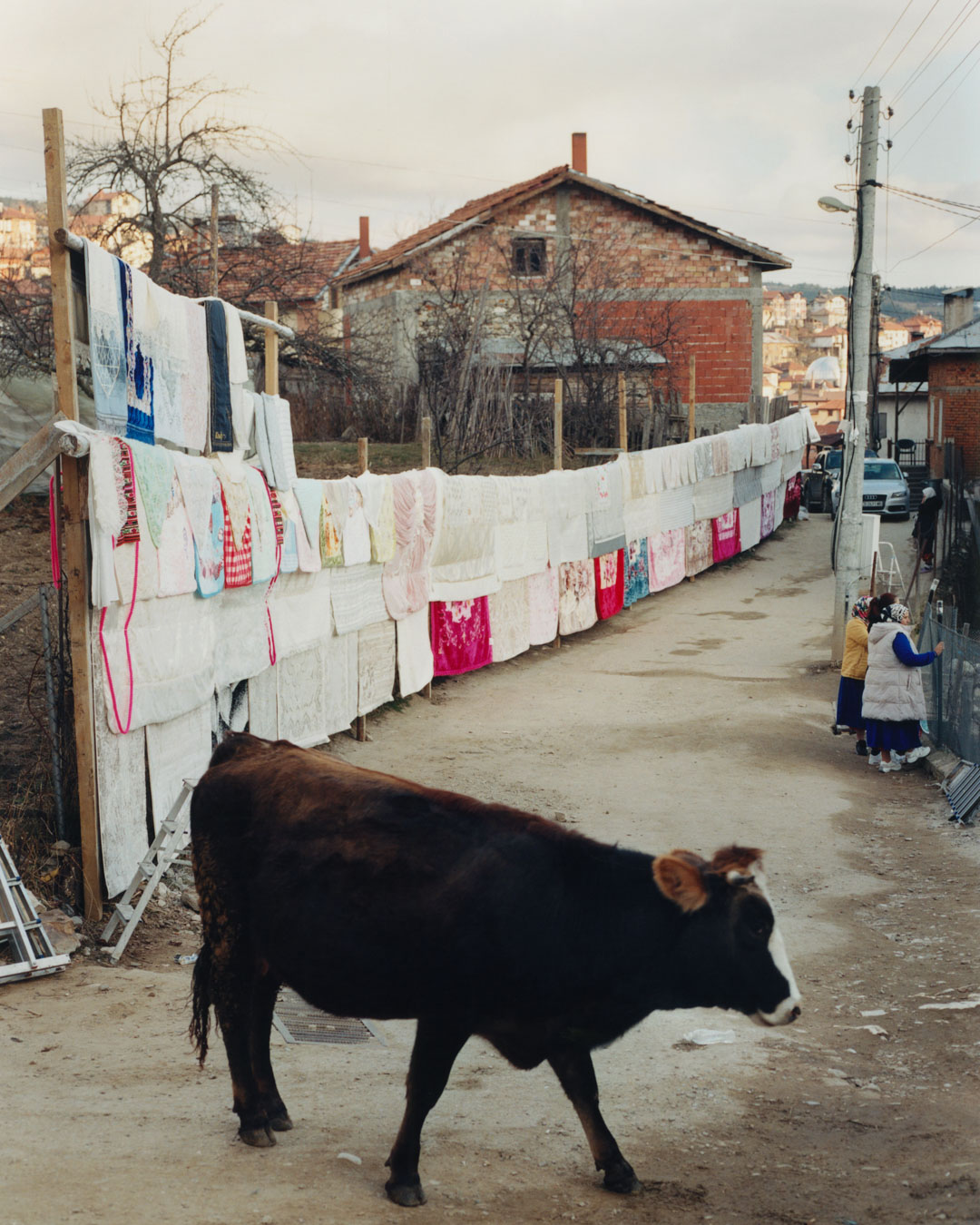
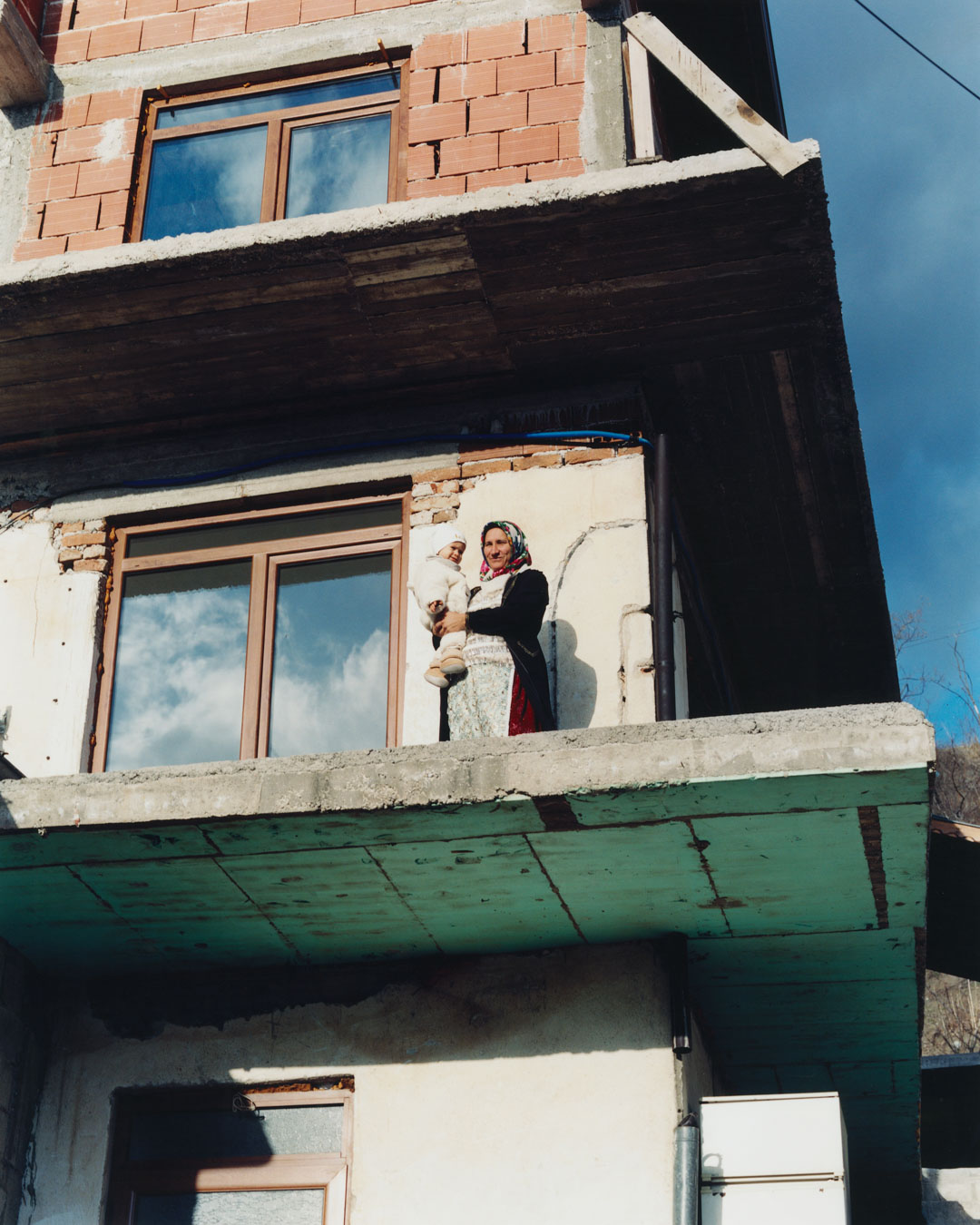
The Pomaks are a Muslim Slavic-speaking minority in Bulgaria, whose cultural practices have often existed at the margins of national narratives. In Ribnovo, the wedding season takes place throughout the winter, when many community members – seasonal workers who spend much of the year elsewhere in Bulgaria or abroad – return home. These cyclical returns transform the village into a site of reunion, where weddings function not only as rites of passage but as anchors of belonging in an increasingly mobile world.
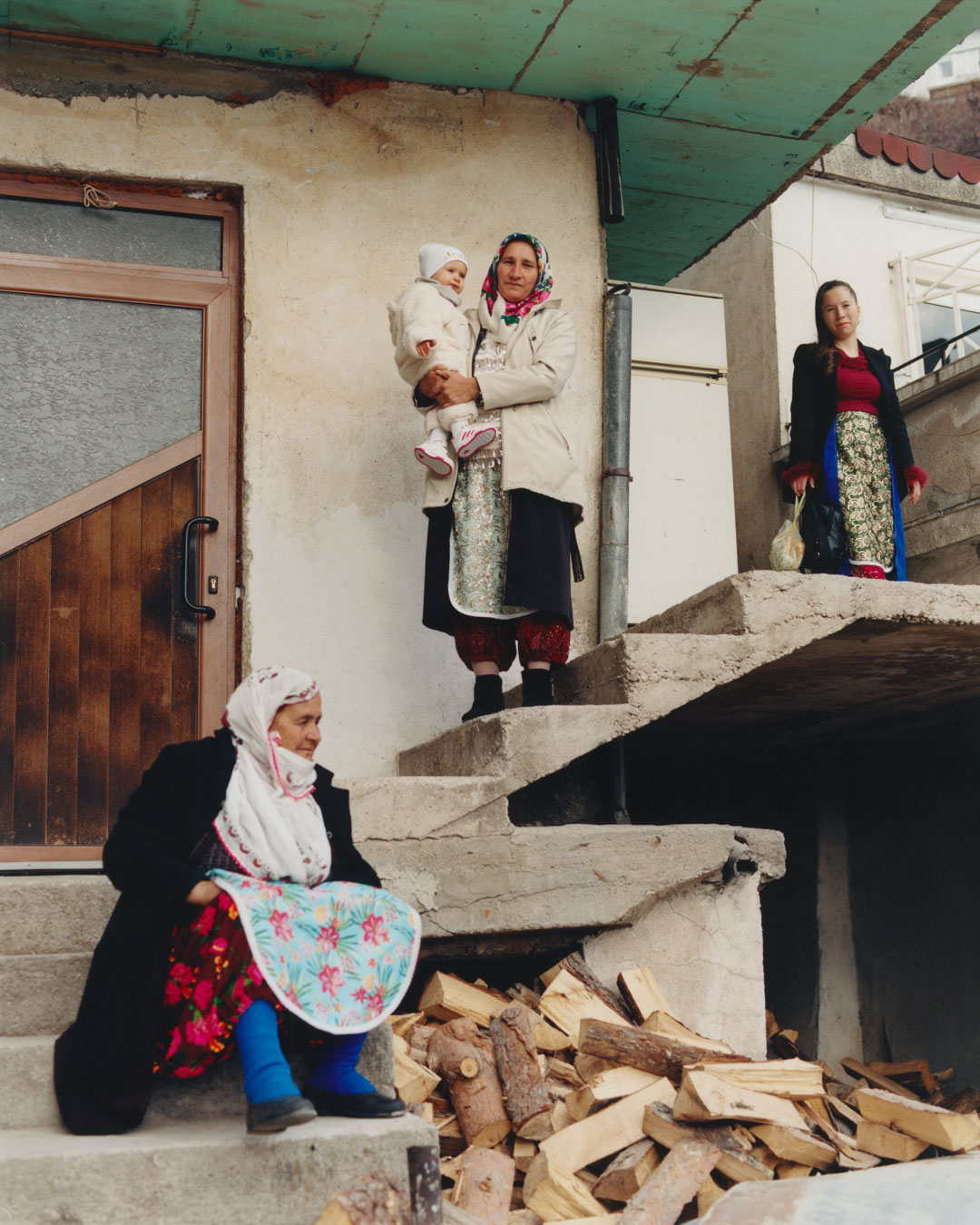
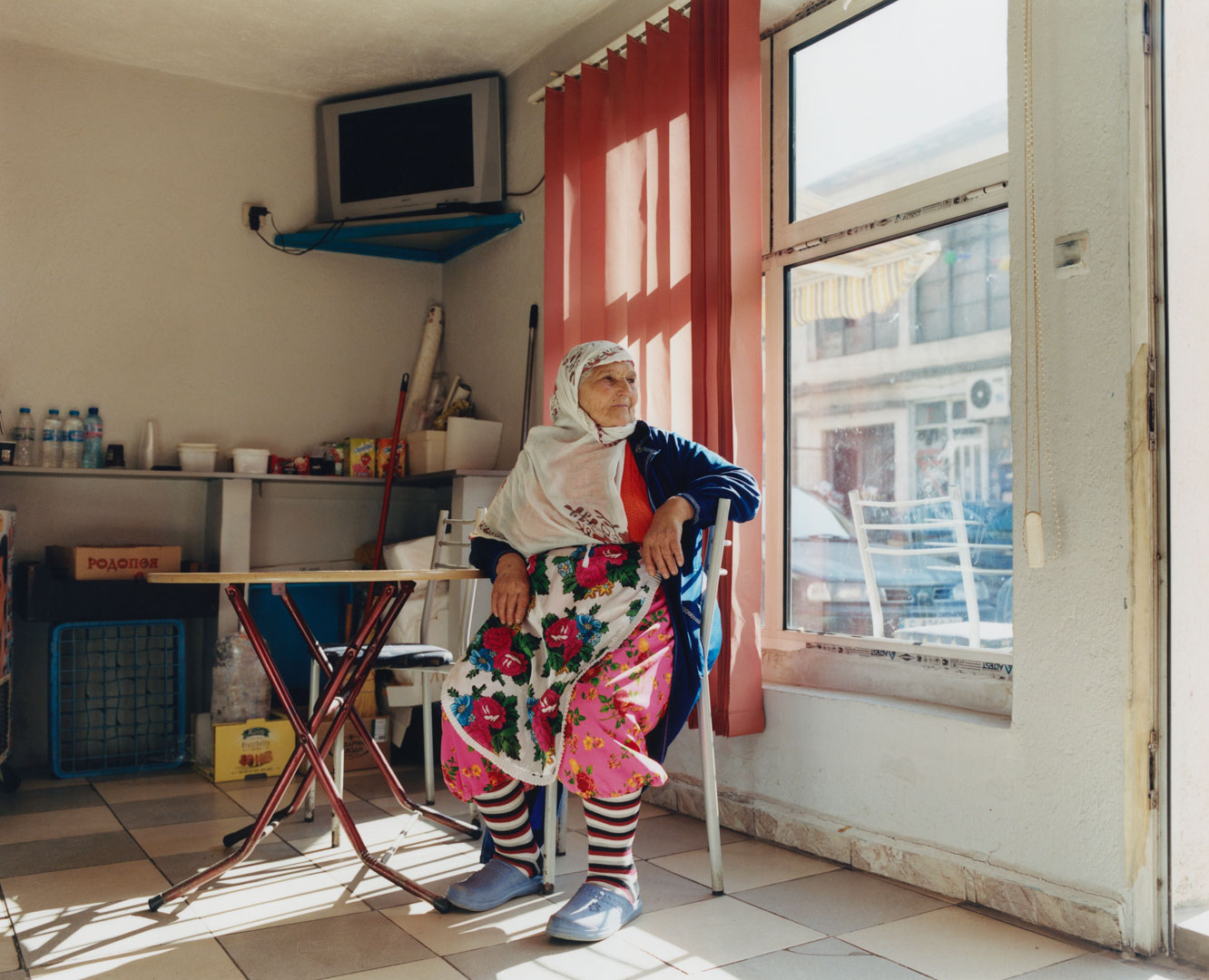
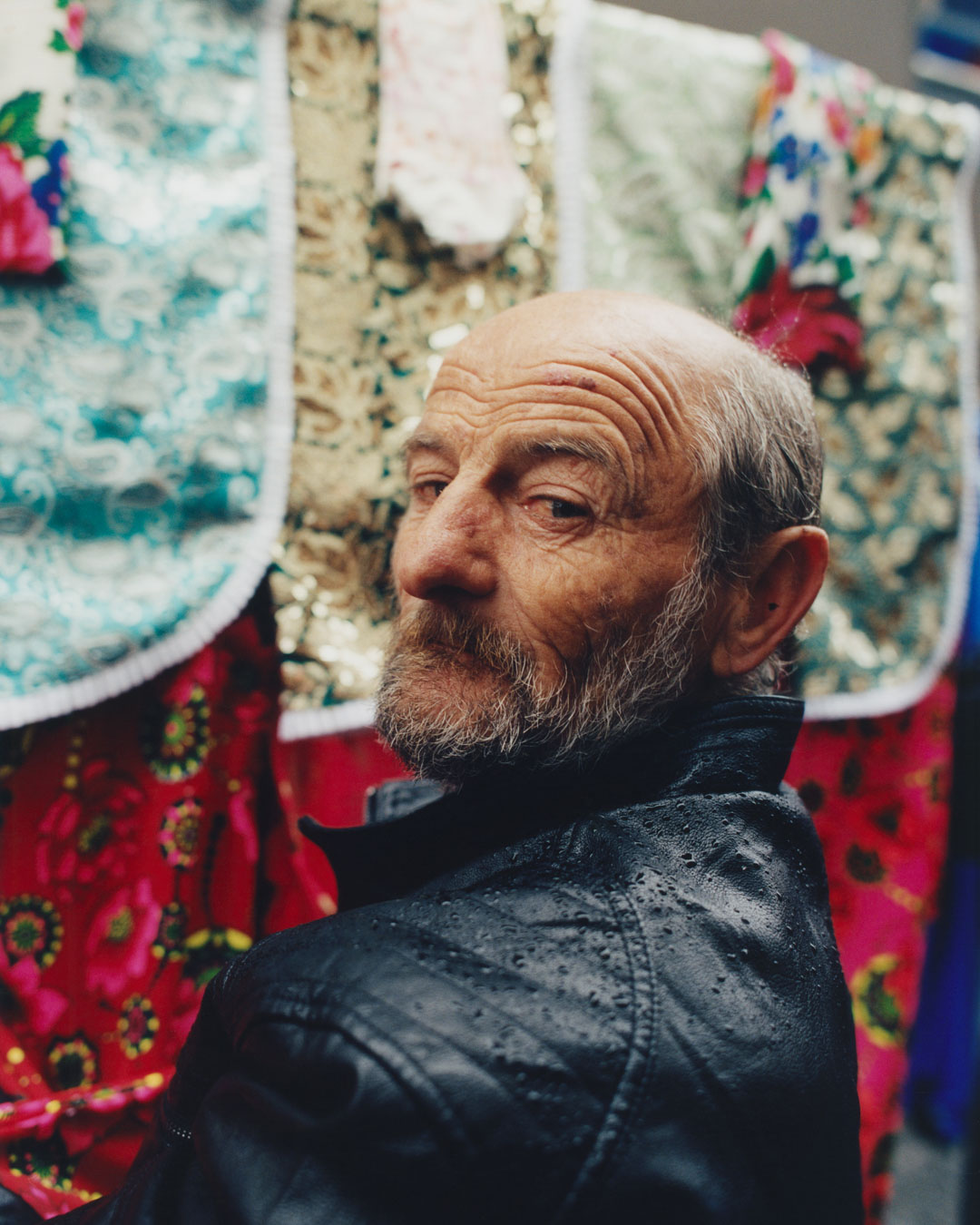
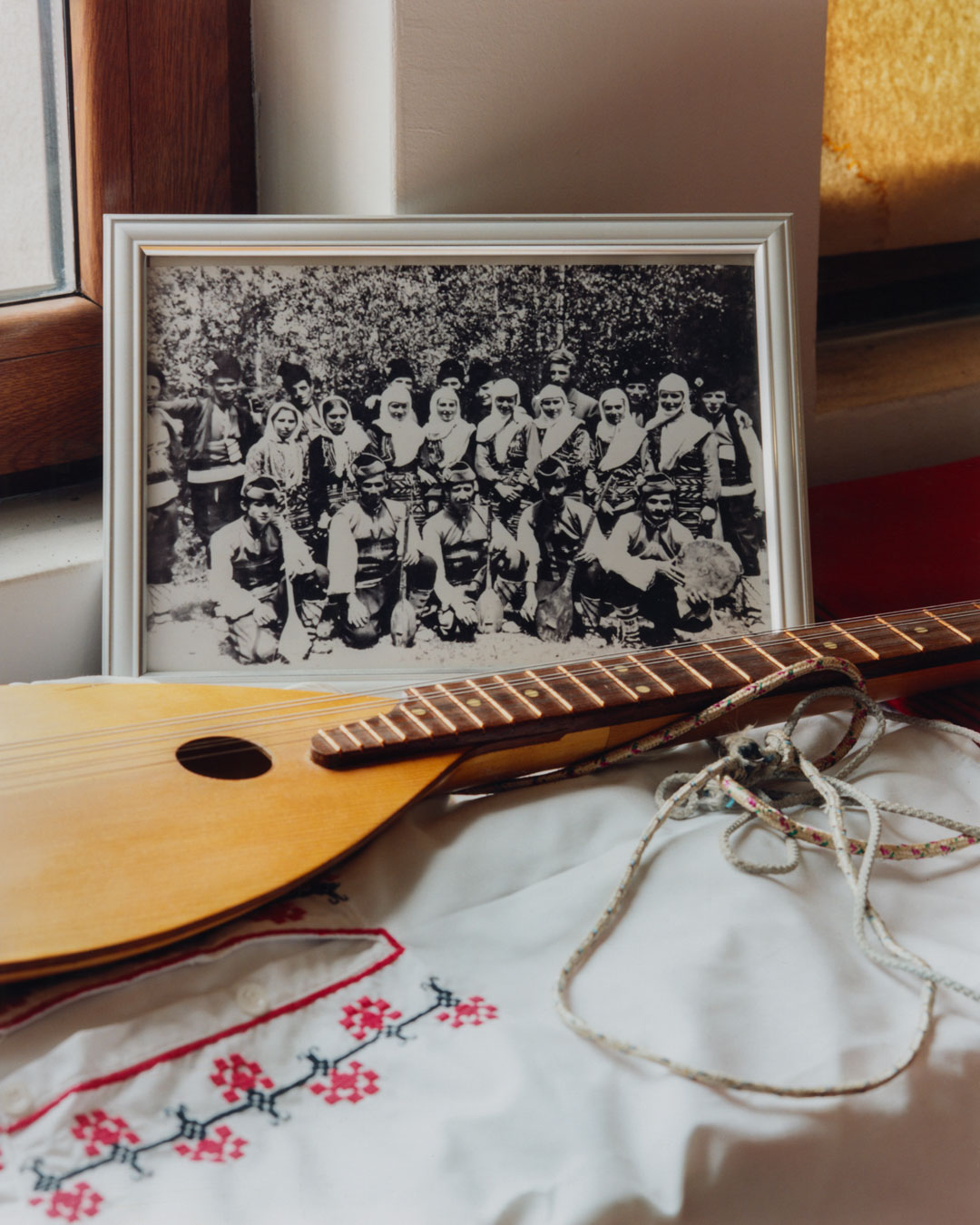
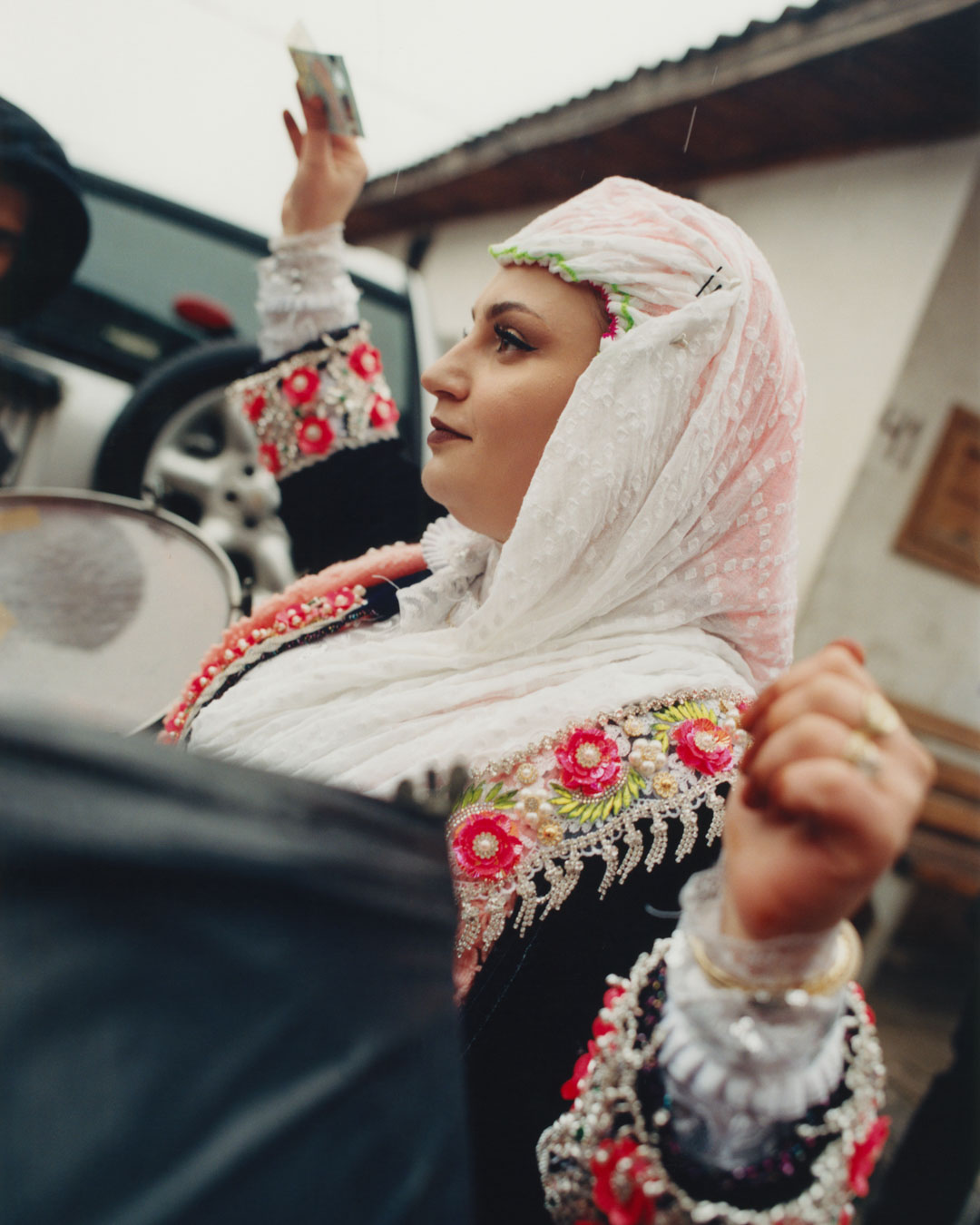

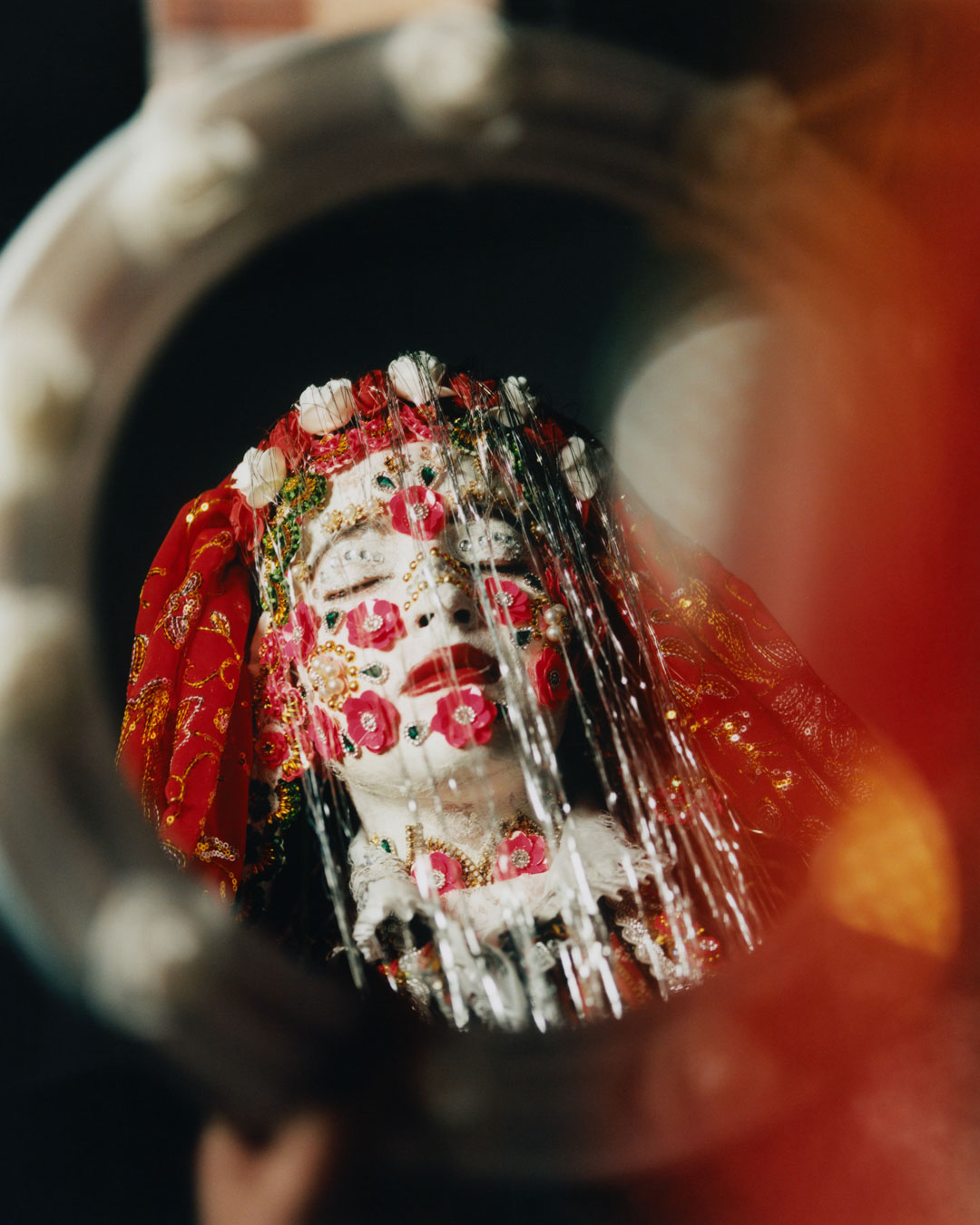
In Ribnovo, the Gelina bridal makeup is an important part of the Pomak wedding tradition. Pomak brides traditionally wear elaborate makeup for their Gelina ceremony, symbolising purity and piety. The intricate makeup, once made from natural ingredients, has gradually incorporated modern cosmetics and decorative additions. During the final stage of the Pomak wedding ceremony, the bride keeps her eyes closed in order to ward off the evil eye, and only reopens them in her new marital home, the process marking her liminal transition into her married life.
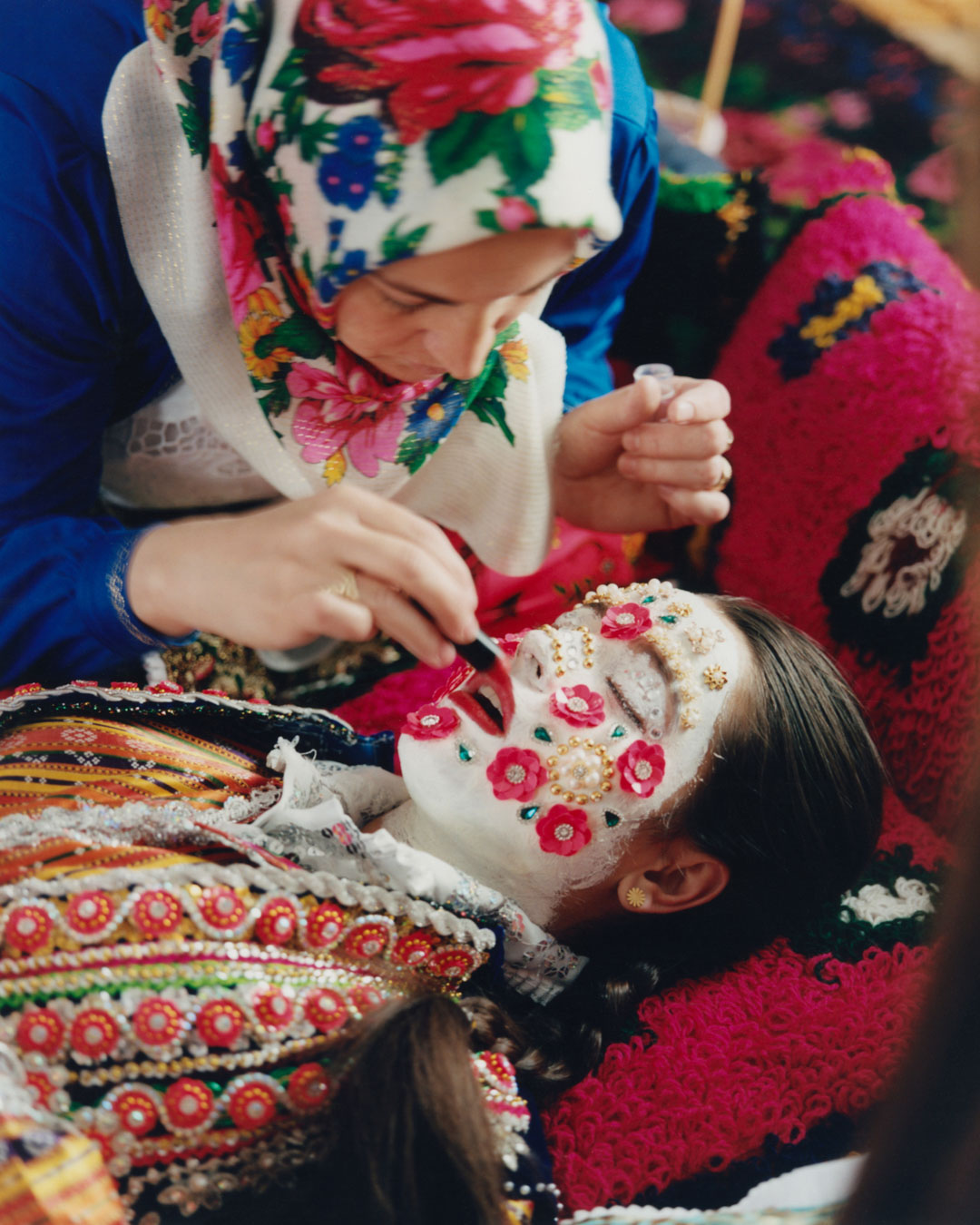
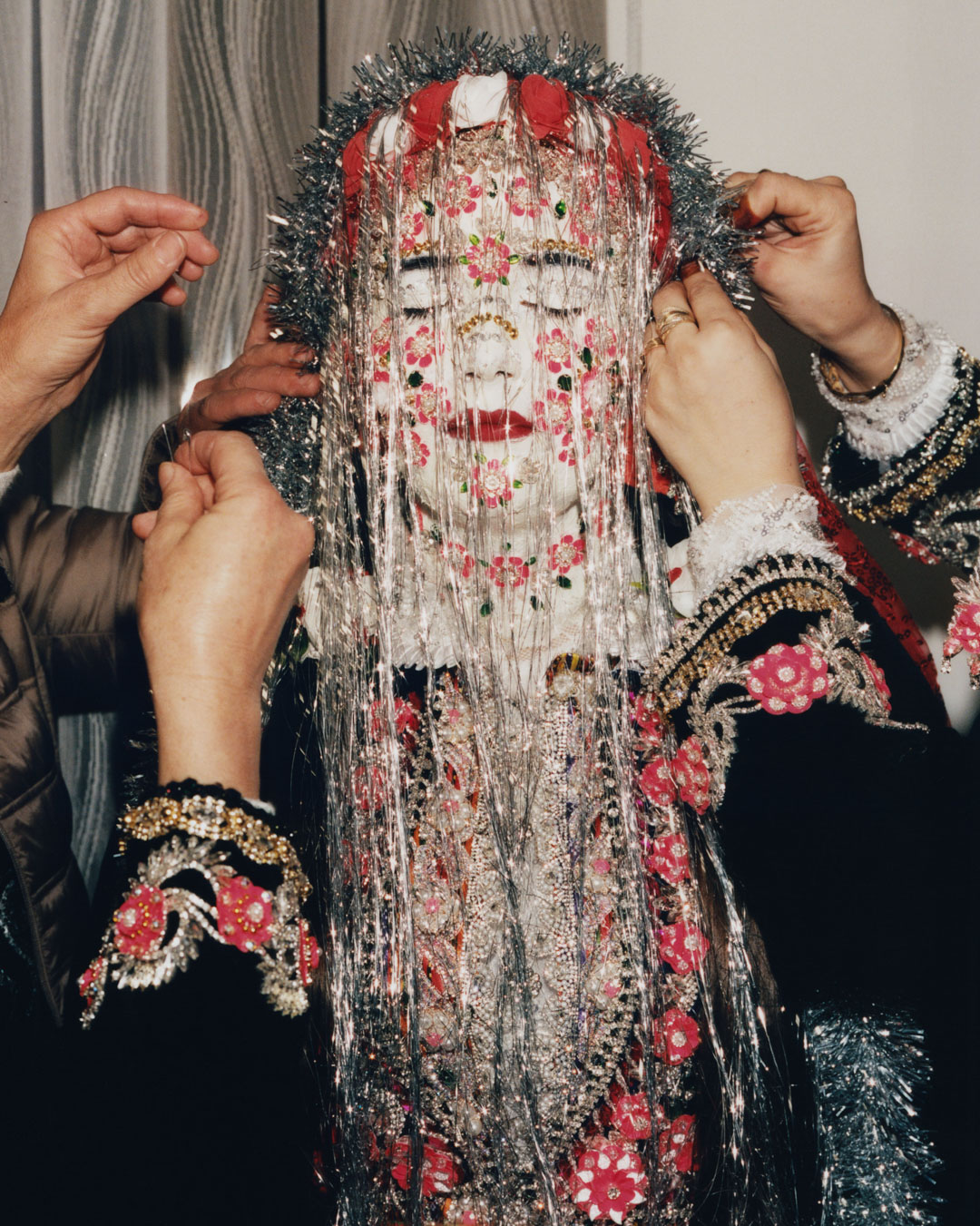
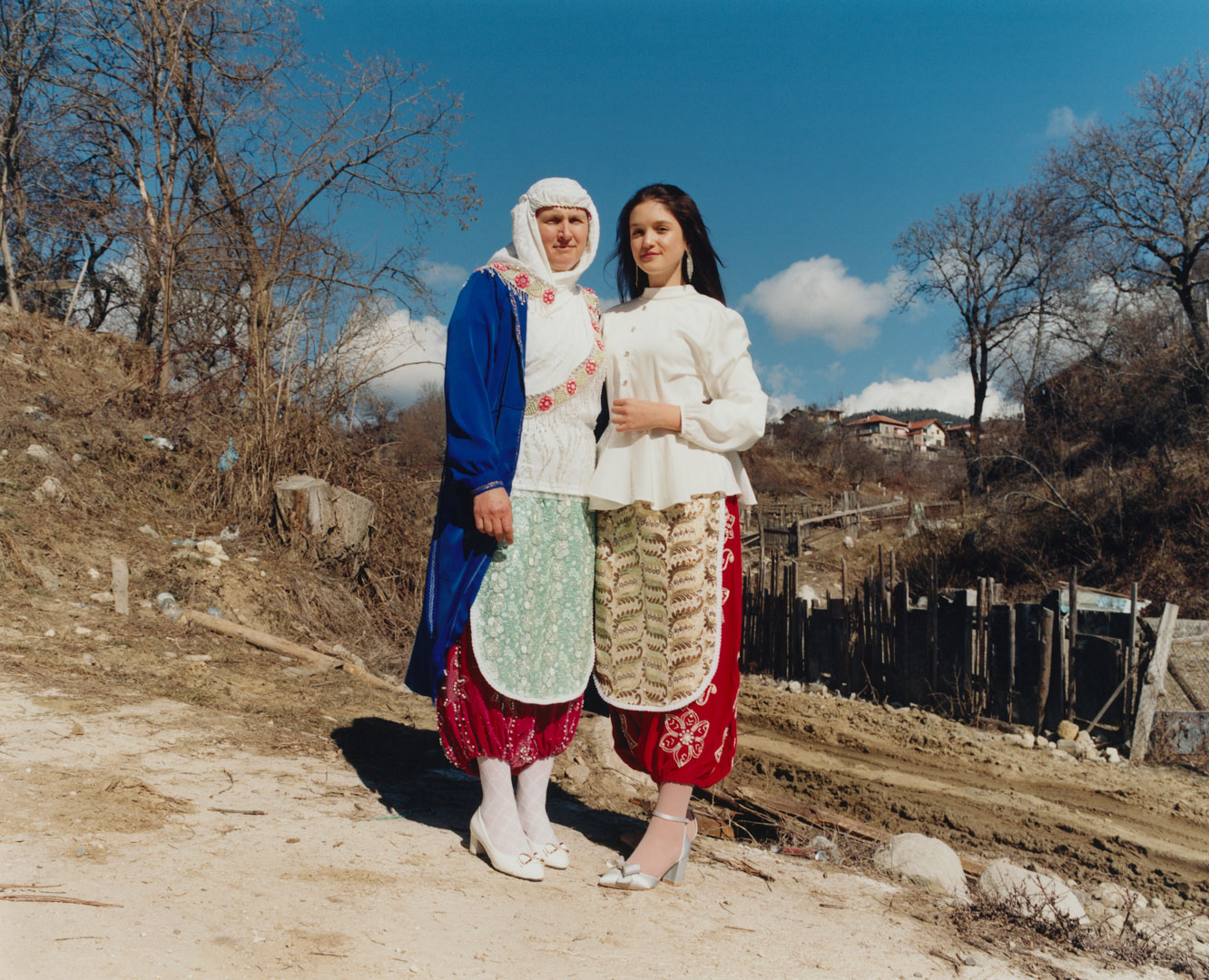
These traditions endure not as fixed relics, but as living practices that intersect with modernity. While the visual language of the ceremonies appears ancient, the traditions themselves are neither static nor isolated from contemporary life. In modern Bulgaria, Pomak identity is shaped by ongoing negotiation between preservation and change. Smartphones, global fashion influences, and evolving gender roles sit alongside inherited customs, each generation subtly reshaping the rituals they inherit.
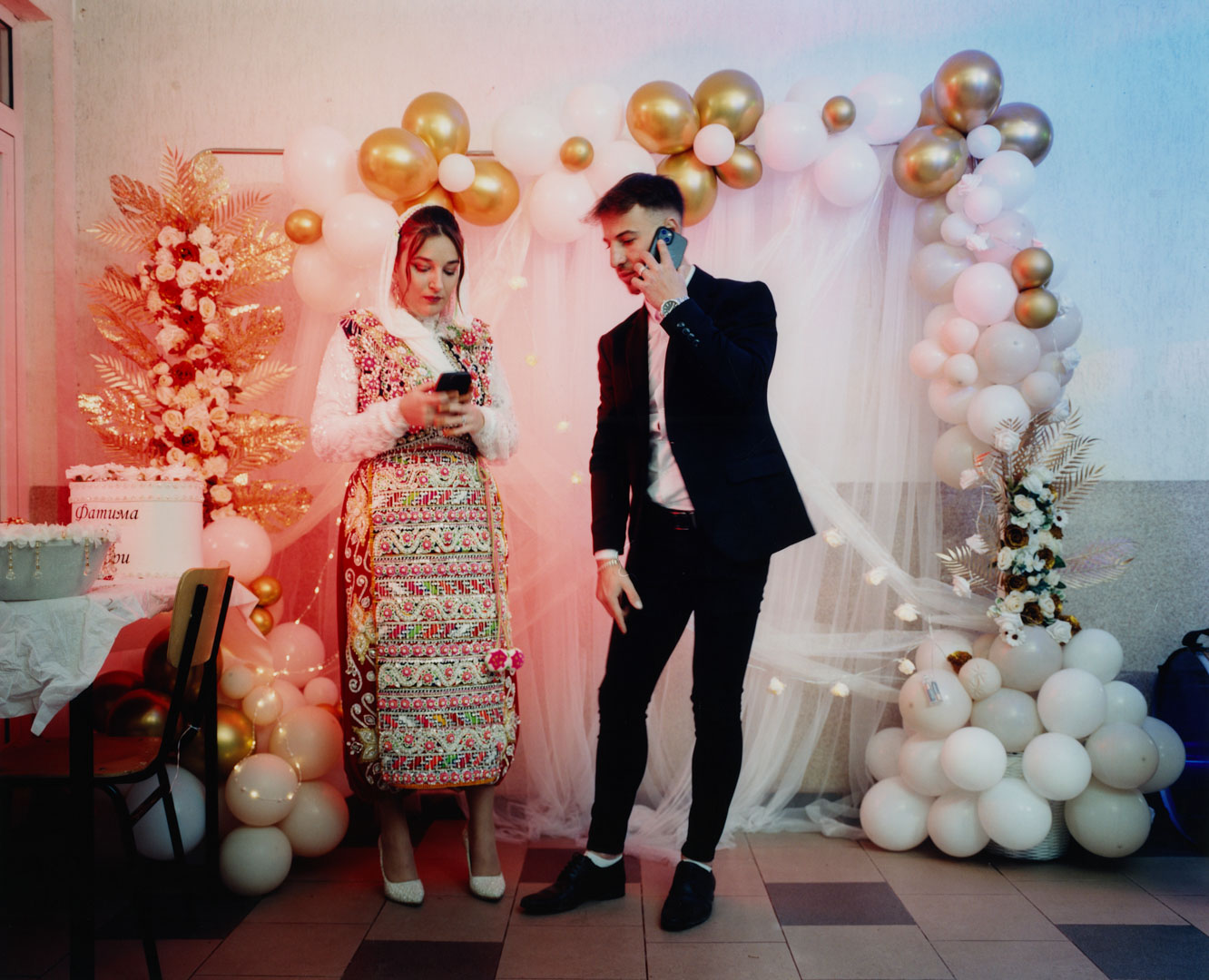
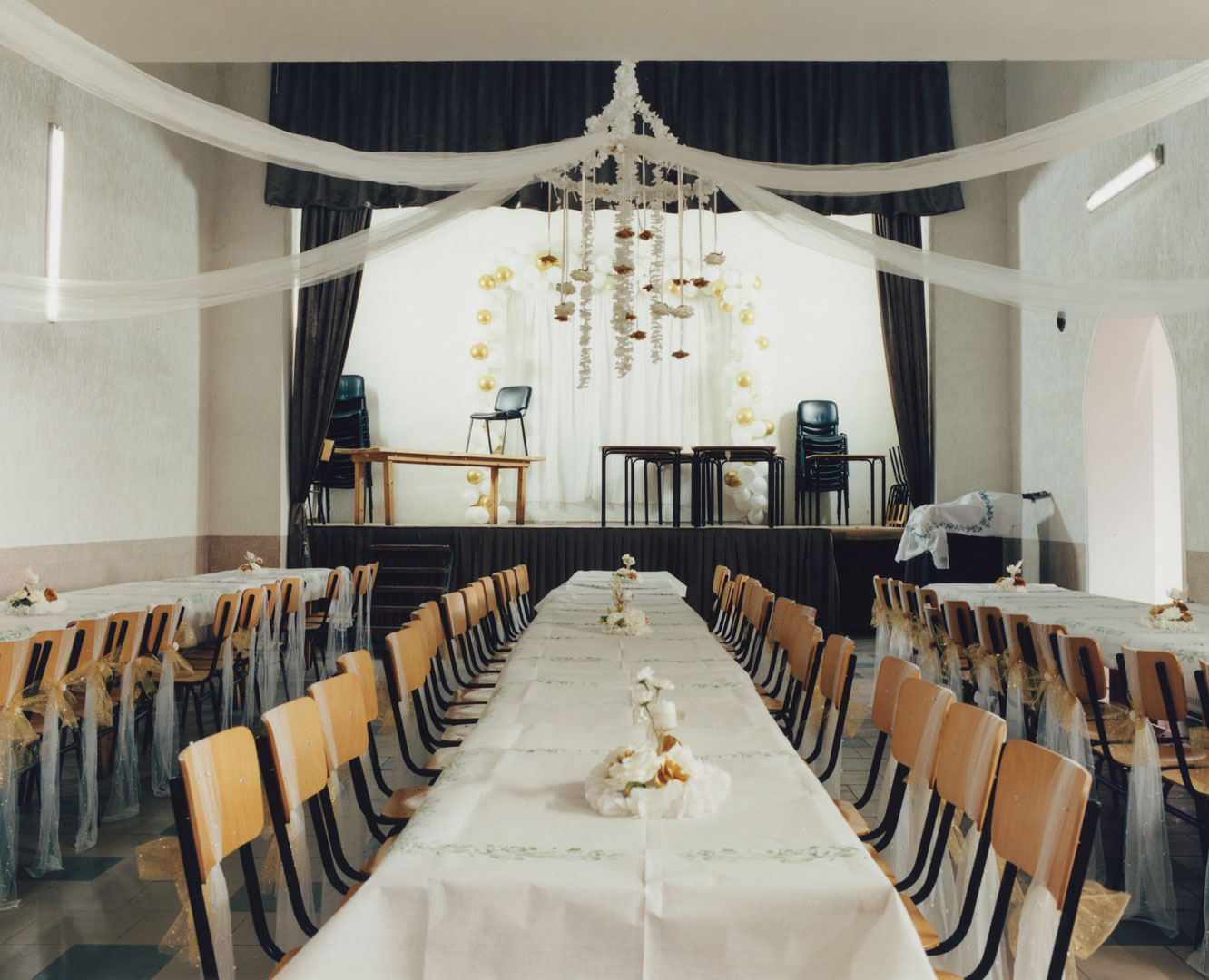
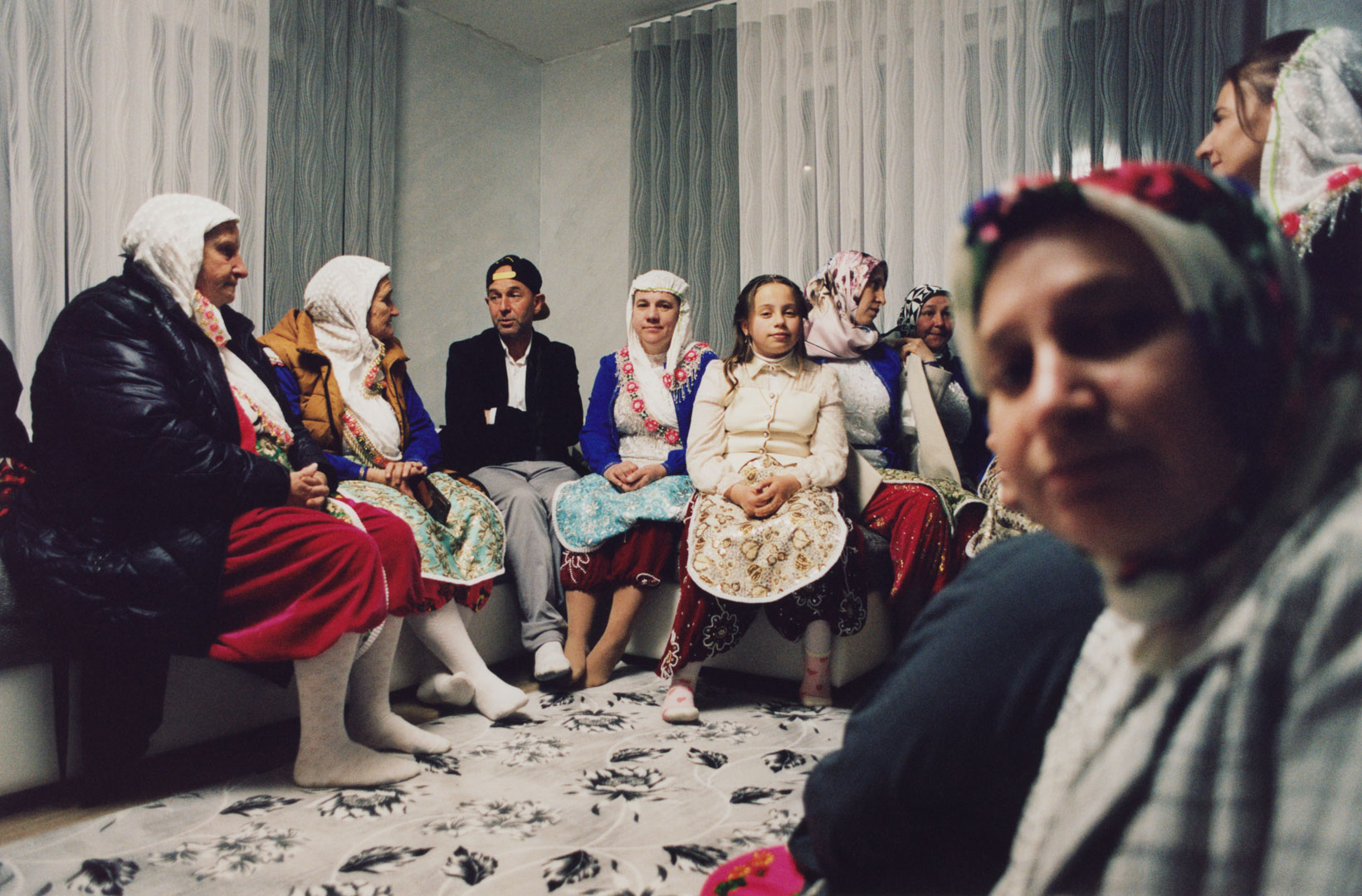
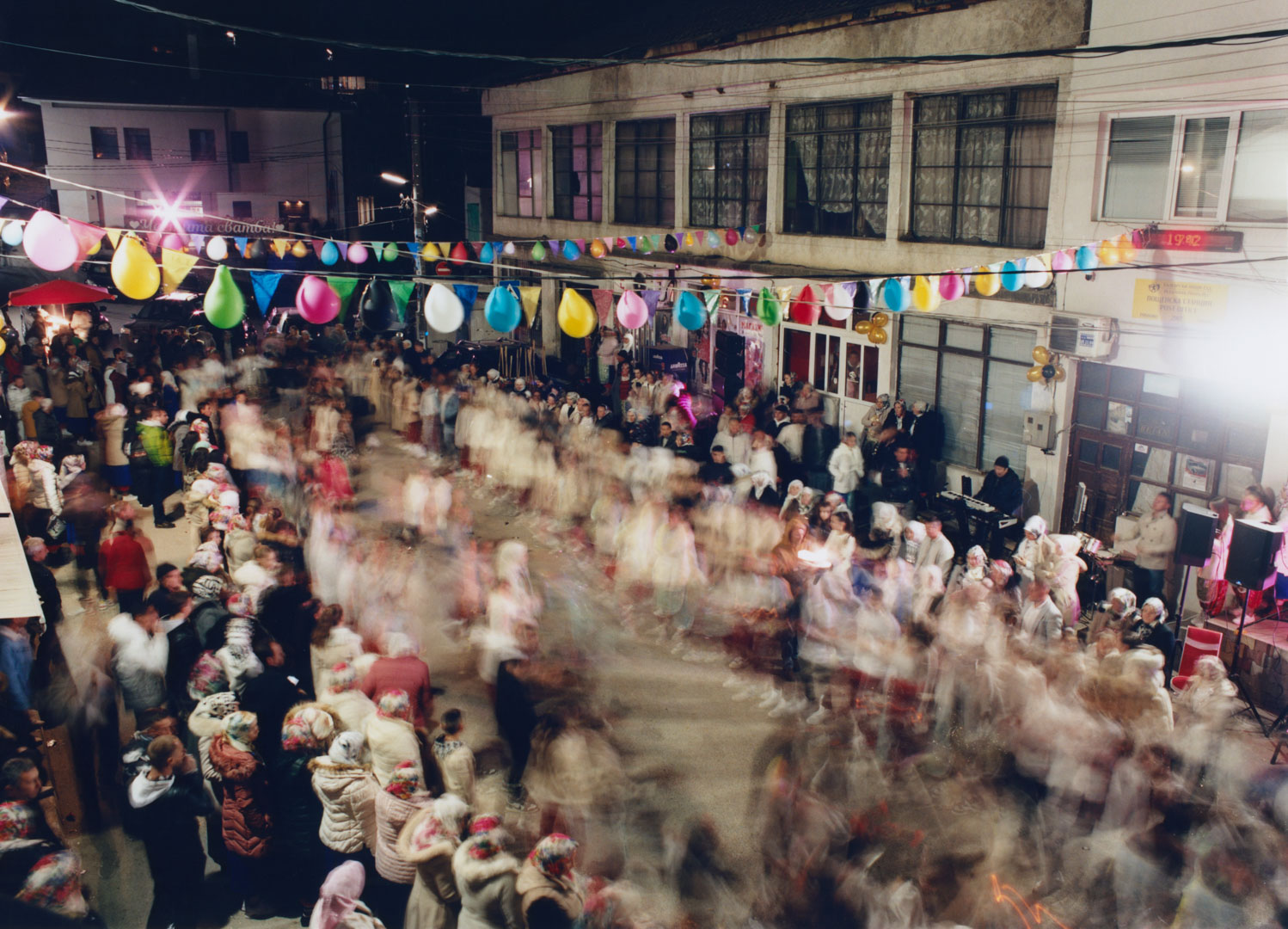
Ribnovo’s wedding traditions remain resilient precisely because they adapt, absorbing modernity while maintaining a strong sense of communal memory.
Alex Kurunis
Alex Kurunis is a Greece-born and London based documentary photographer. Having graduated in Social Anthropology, Alex’s work remains rooted in social documentary, human interaction, and traditions or customs that bring people together. He is especially intrigued by instances where displays of tradition intersect with modernity.