
A LIFE DEVOTED TO MUSIC
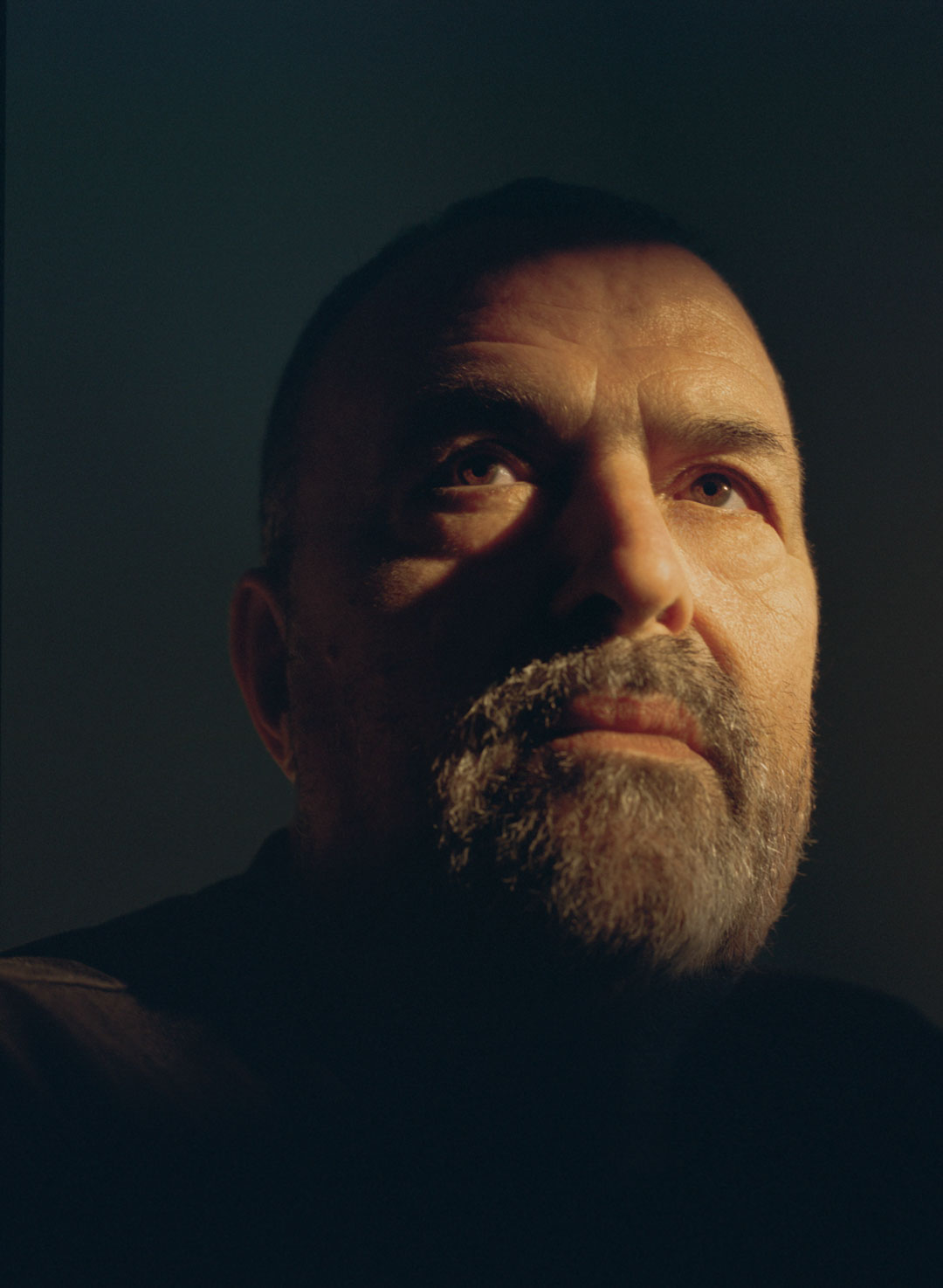
Mattia Balsamini
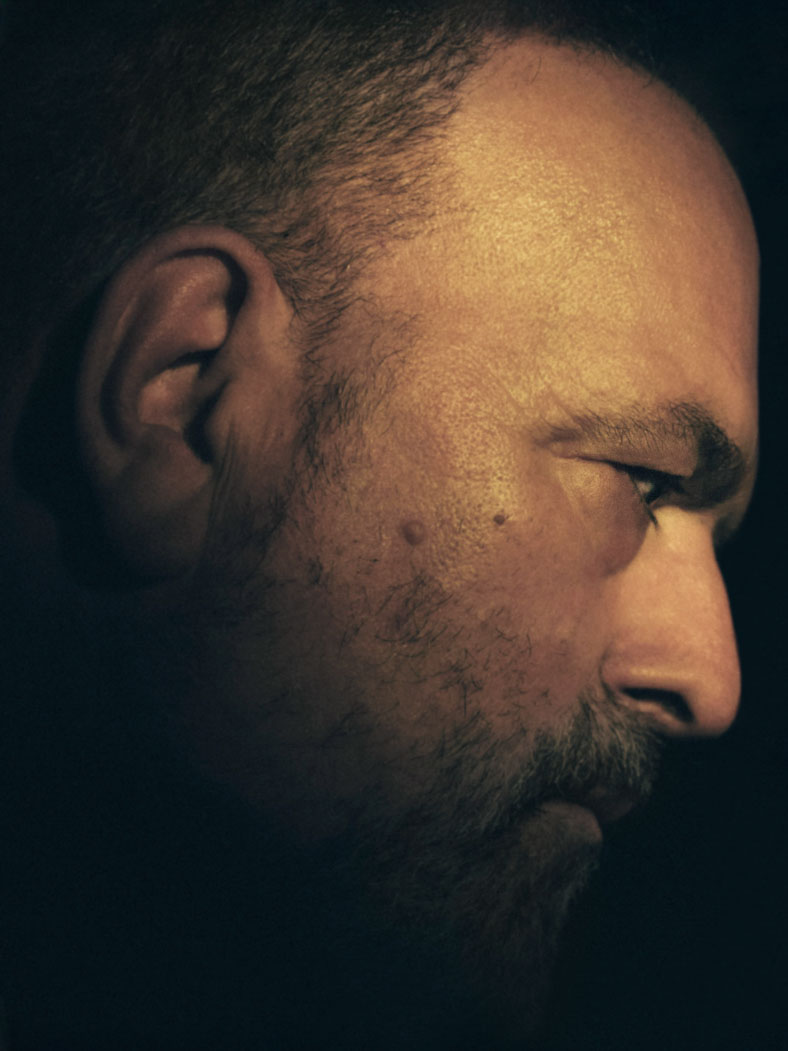
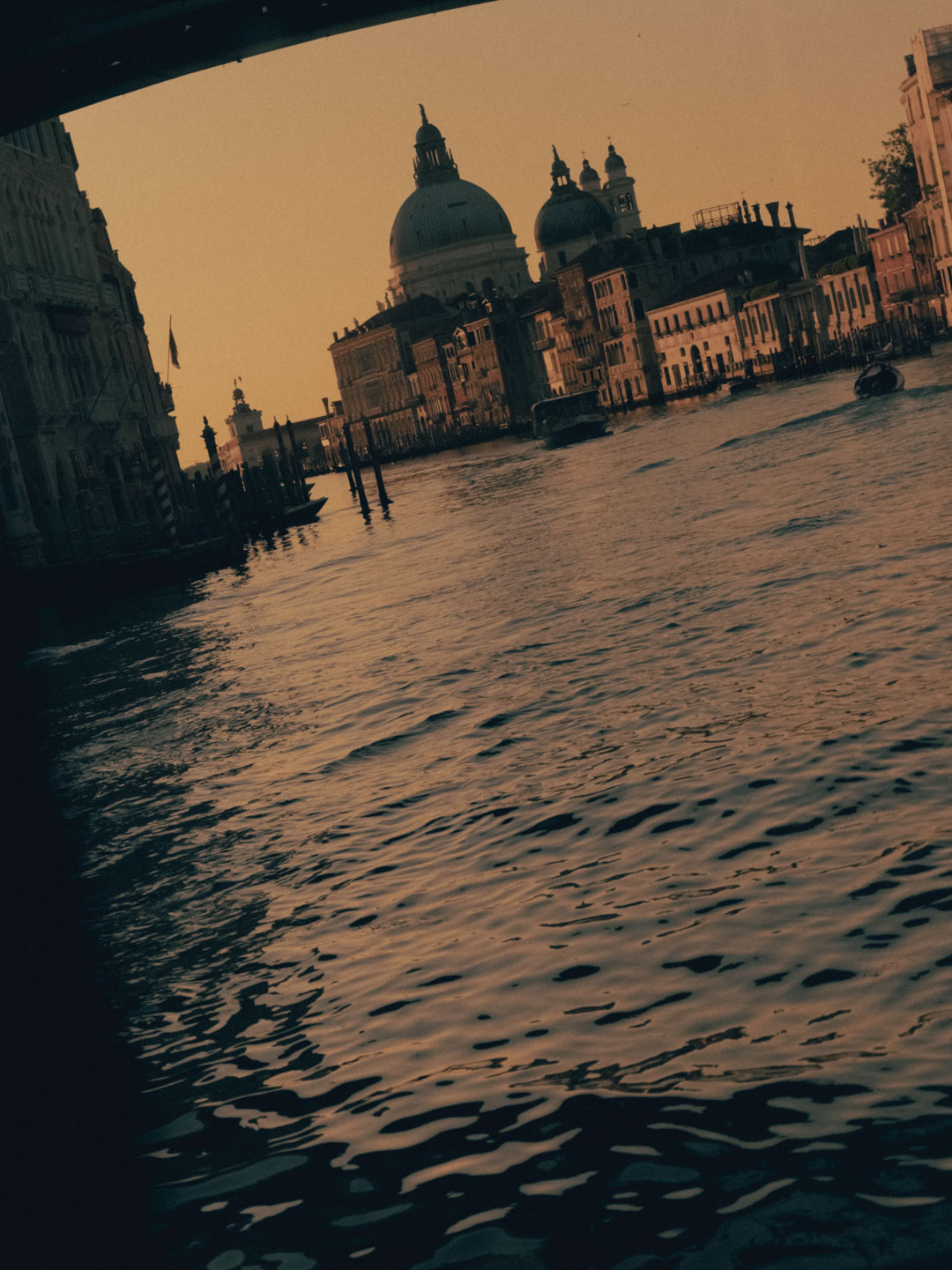
Words and interview by Giorgia Magrin. When you discover Gigi Masin’s music, it’s easy to let it in―to let it flood quiet mornings at home, while the day slowly ignites beyond the windows. It’s made of intimacy, time, and the kind of silence that speaks deeply to your core. It stays with you, gently carrying you through the day, all the way to the glow of sunset. And as that quiet warmth settles around us, with the lagoon glowing in the early light, Gigi Masin welcomes us into his city: Venice―both mother and stepmother, cradle of his music and silent witness to his long creative season.
Here, where the water once destroyed his first record but never his determination, he stayed―to live, to write. Venice shaped him, silently―always present in his music, even when recognition came from afar: Amsterdam, Japan, Australia. From those who, digging through old records, discovered Wind and heard something timeless. Gigi Masin moved through music the way one crosses Venice in winter―slowly, steadily, never letting go of belief. And now, with the lagoon at his back and the first light of morning rising―warming us, taking the chill off our skin―he tells us what has inspired him, what has sustained him through the years, leading him to express himself through music with such rare, delicate sensitivity.
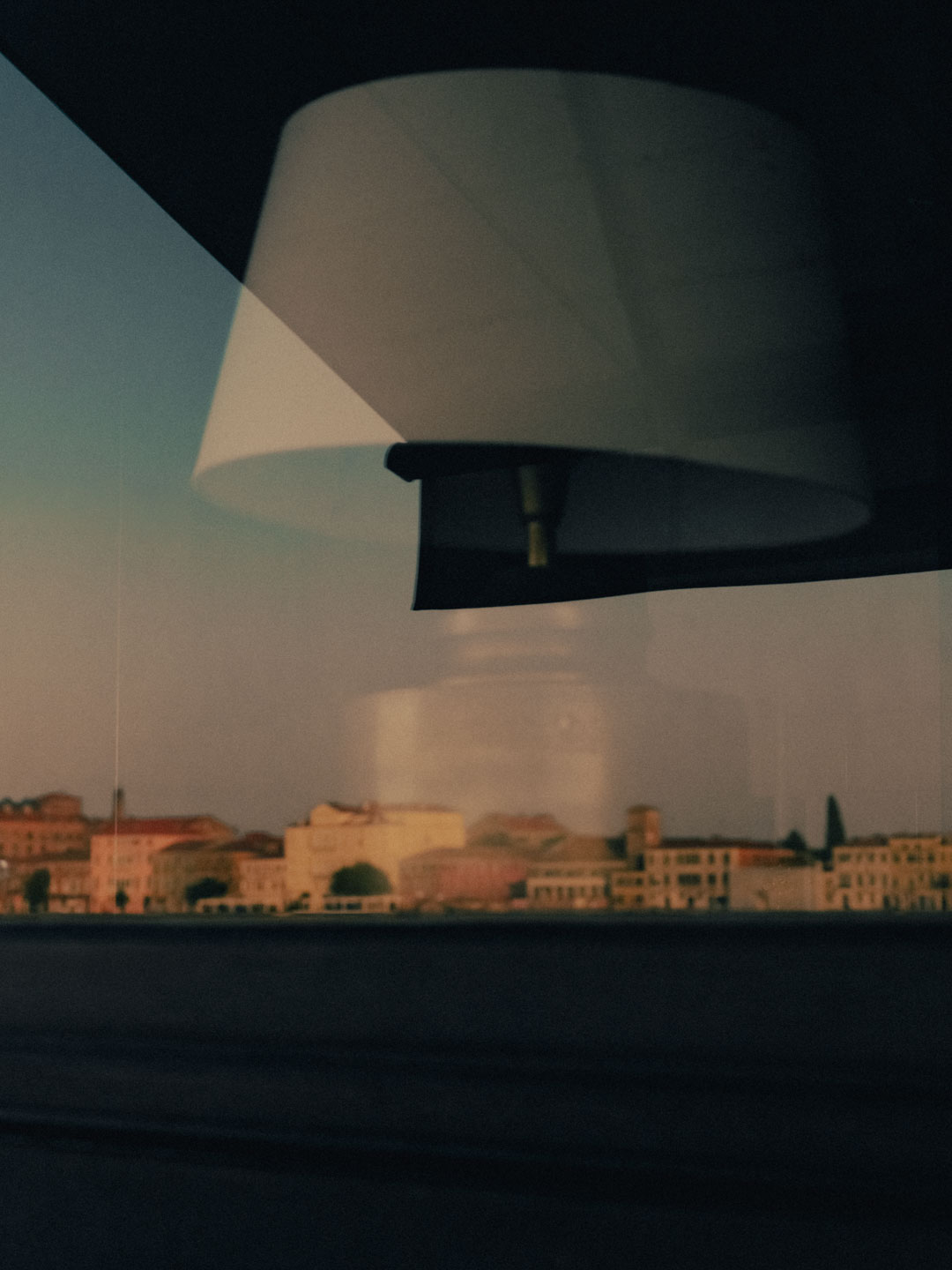
(…) Arxipelag: Wind was born quietly, almost in secret, self-produced with limited resources. Yet in those tracks, everything was already there. Then came the water, the silence. To survive the tide that day in 2007, only the tapes remained—perhaps a sign of destiny, of something meant to stay. What did you feel when you saw that the lagoon had taken away your first album.
Gigi Masin: Wind was recorded in a studio that no longer exists, Odhecaton in Venice, run by Ermanno Velludo―a noble, enlightened mind. That place gave so much to the record: its atmosphere, that Venetian ground-floor light, deeply shaped what we created―me and Alessandro Monti, who supported me with talent and friendship in this endeavor, what I believed would be my first and last record. In 2007, that incredible downpour that flooded Venice and the mainland also inundated the warehouse where I had stored all my material and records, my instruments, all the hi-fi, all the electronics―everything―placed there waiting to be moved to another house the next day. So all the most precious things, all the photos, memories, and all my music were in that warehouse that went underwater, except for a few inches at the ceiling. So that moment was erased, the physical proof of what I had done: the music made for theater, the radio projects, a series of experiments, everything, everything, everything. Like abandoning a part of yourself. In the end, it was a huge slap that woke me up to start over―not from zero, but with a different vision and perspective. I always say “I’m still like a wet record,” I am still the same person. (…)
(…) A: Yet, years later, that record returns. The people from Music From Memory find it in a box of used vinyl in Amsterdam. What were your feelings when they contacted you? Did you have a sense that a whole new world was about to open, starting precisely from that collection you would publish with them, Talk To The Sea?
GM:It felt like being a child on Christmas Eve―curious, excited, not quite sure what was happening. That was exactly how I felt when I got off the plane in Amsterdam and the Music From Memory team was waiting for me. Before that, some people had shown interest—they wrote me emails and seemed interested in what I was doing, but always with a certain detachment, a kind of “I’ve already heard it all” attitude… The people from Amsterdam, instead, were very warm and affectionate, with a very different approach, almost shy, a way that really sparked my curiosity. When I have to do important things, I need to meet people, hear their voice, and connect with them―especially when it’s about something so personal, like sharing my language and my most intimate world. I still thought Wind would be my first and last record. But that meeting, those three days in Amsterdam, made up for all the irony, superficiality, and small-mindedness I’d experienced from people―except for a few true friends, like Alessandro Monti―most of the time I felt like I wasn’t taken seriously. But you learn to laugh at it, and carry on. I thought they were only interested in Wind, but actually, they cared about everything I’d done. I sent them three or four DVDs full of music―I used to record, play, create, and experiment constantly, almost every evening in the attic. From all that, they selected a series of tracks that ended up in the double album Talk To The Sea, an album that is still selling. And if what people write me is true, I’m very proud of what they’ve done for me and grateful to the listeners who connect with my work. (…)
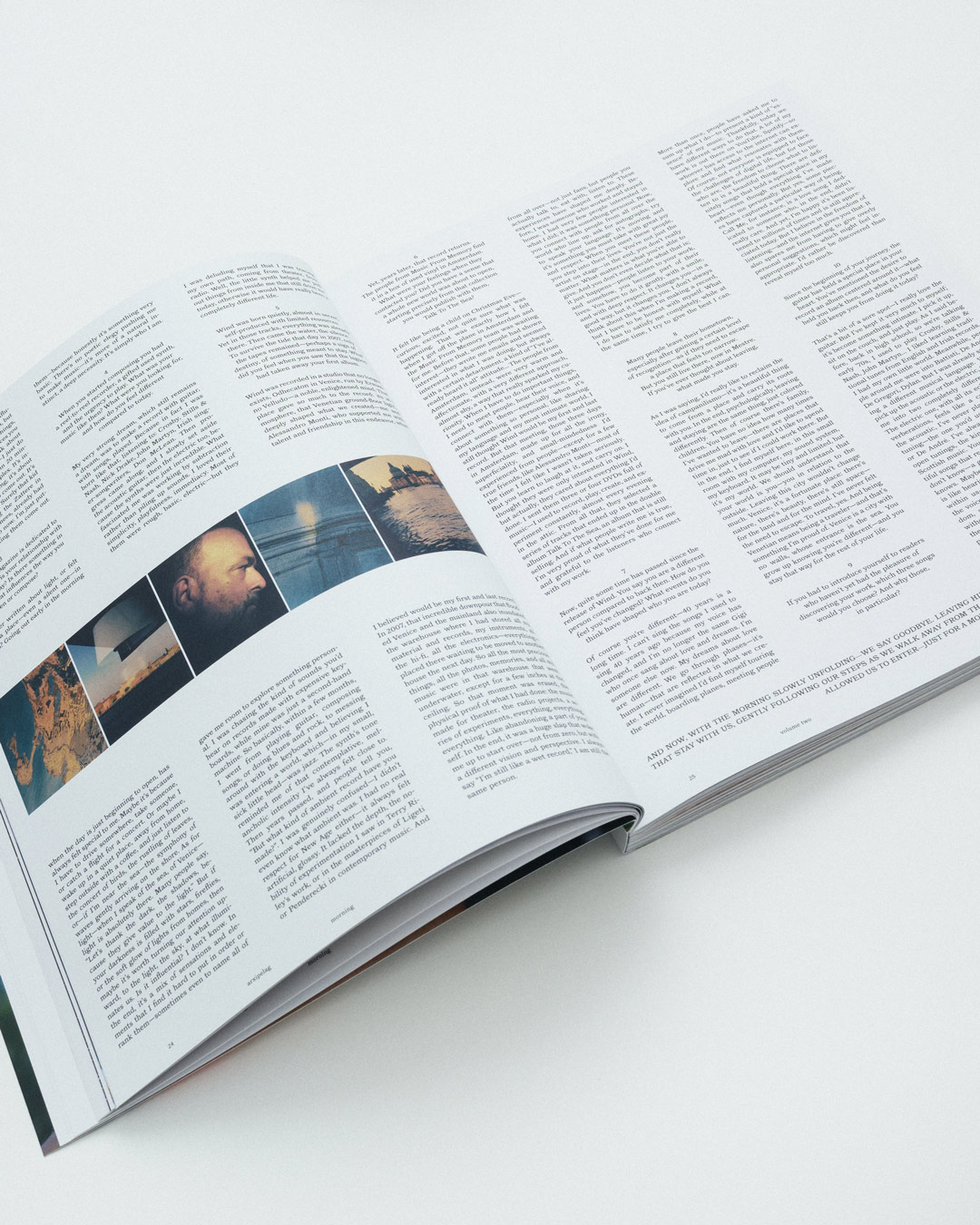
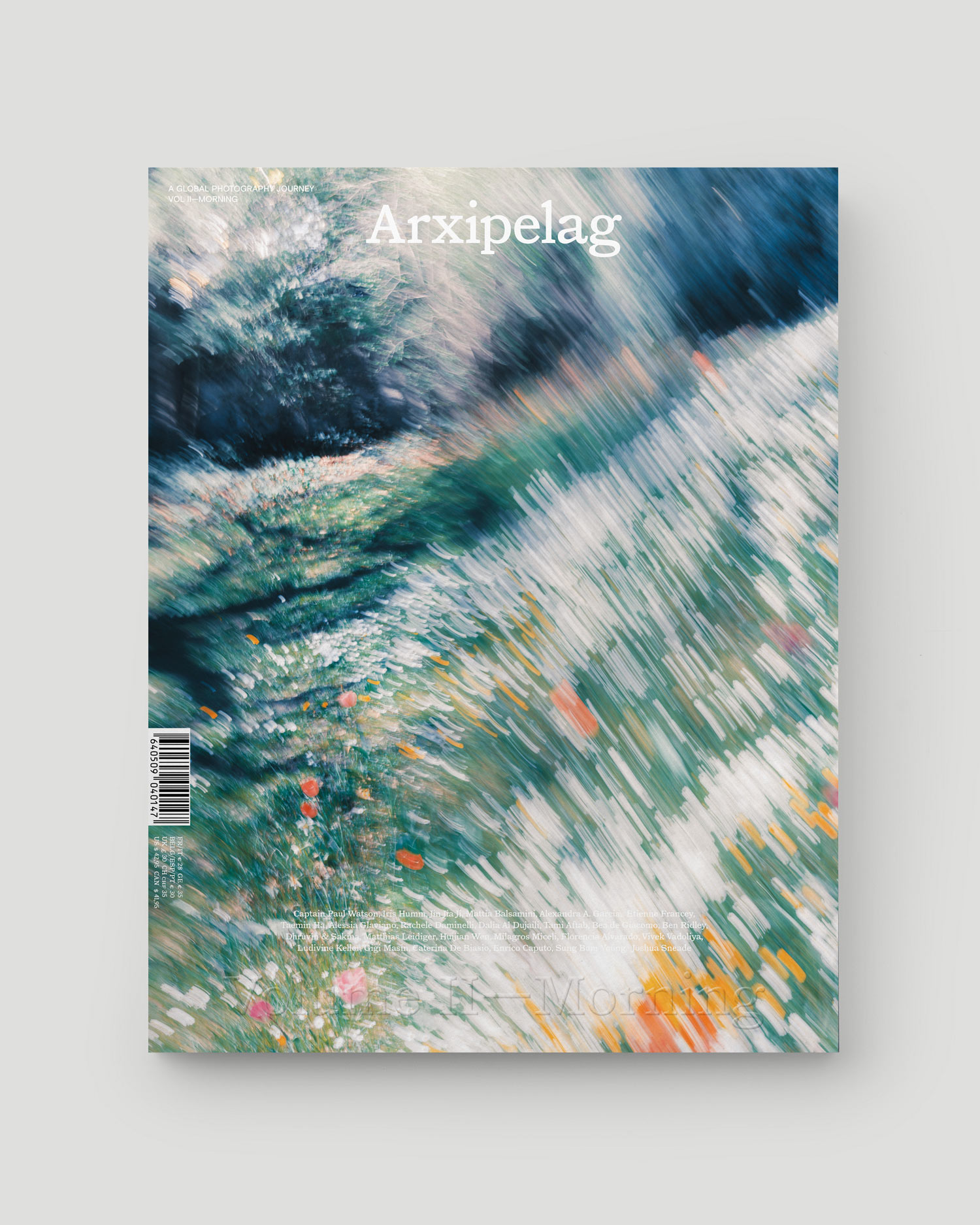
Full interview on Arxipelag Volume II
Mattia Balsamini
Born in Pordenone – Italy. Balsamini moved to Los Angeles in 2008, where he began his studies at Brooks Institute. In 2010 he began working at David LaChapelle’s studio as a studio assistant and archivist. In 2011, after obtaining a BA with honorable mention, he returned to Italy. He has been teaching photography at IUAV University of Venice as well as photographing extensively technology and its social implications, focusing on work as a factor of identity. Over the years he has carried out personal and editorial projects in collaboration with institutions such as MIT, NASA, Charitè University Berlin and the Institute of Forensic Medicine University of Zurich. His work has been exhibited at the Milan Triennale, the MAXXI, the Sandretto Re Rebaudengo Foundation, and the Italian Cultural Institute in San Francisco.