
TINIAN
Taemin Ha
Few places carry a more haunting contradiction than Tinian. Once a quiet atoll in the Marshall Islands, it became a turning point in history when its airfield launched Enola Gay, the plane that dropped the atomic bomb on Hiroshima in 1945. From the silence of the Pacific, devastation was sent across the world.
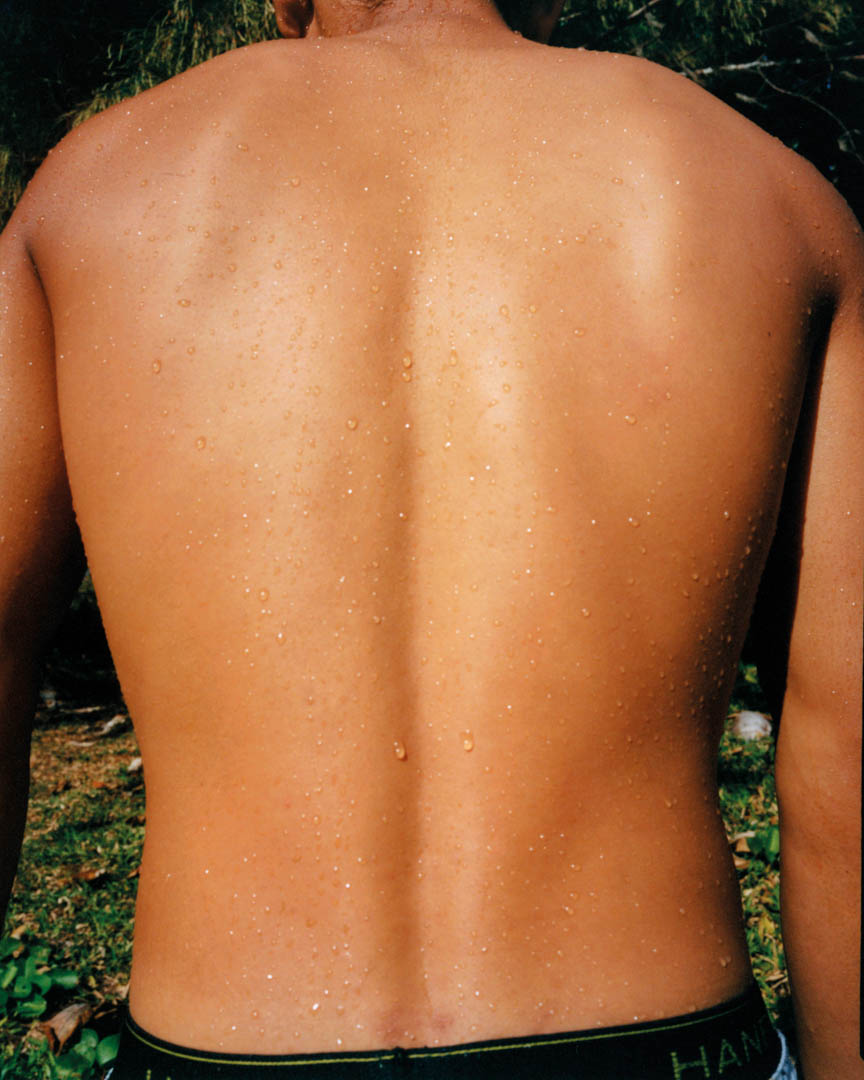
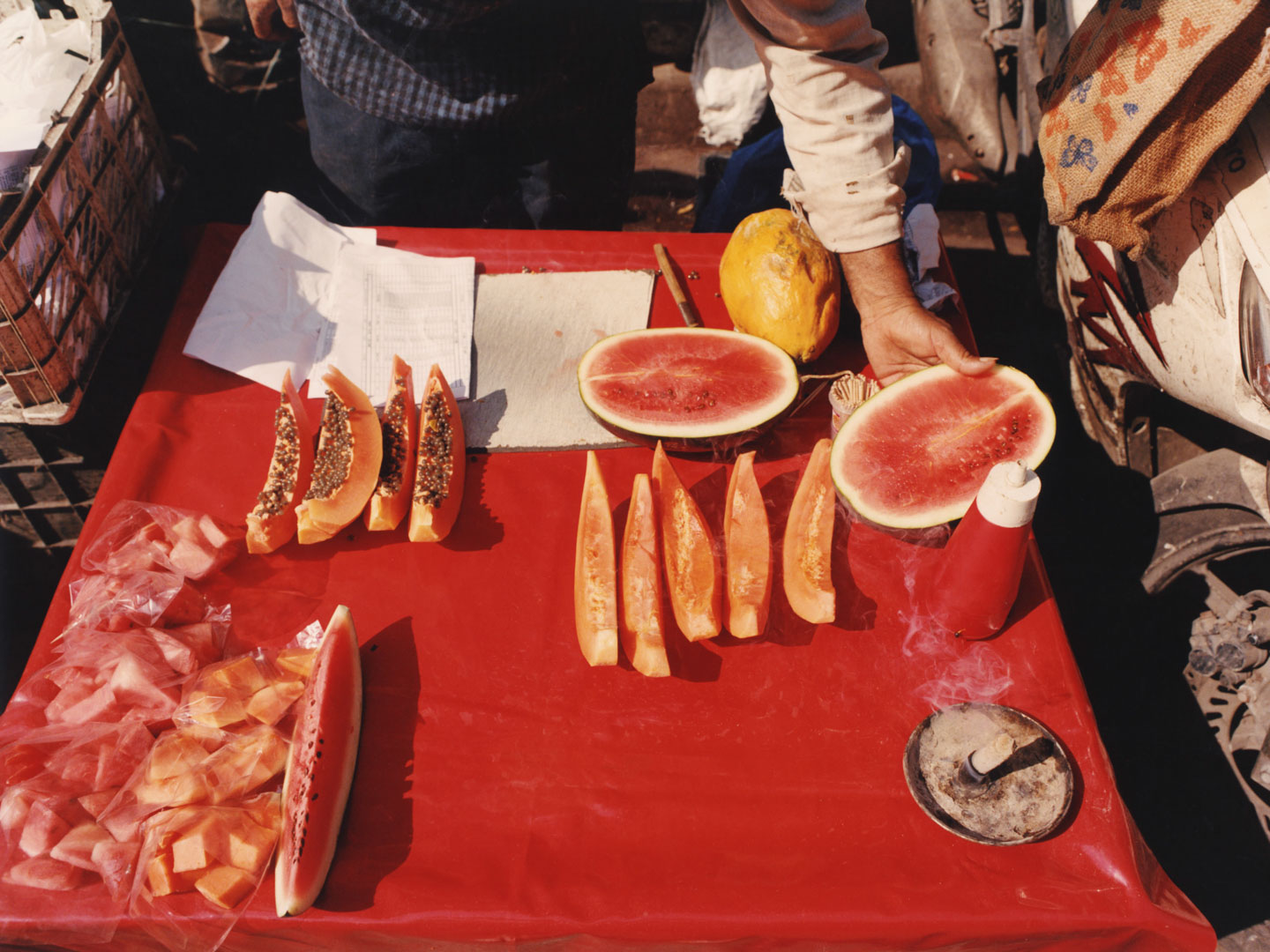
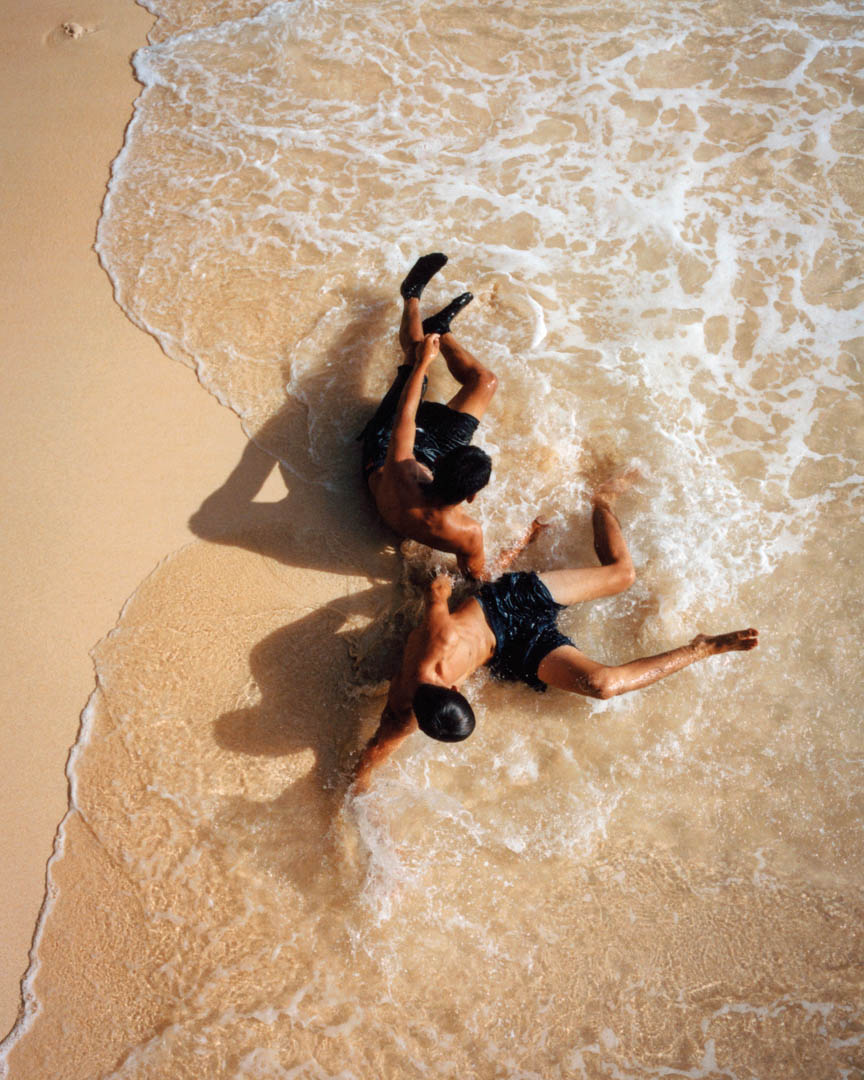
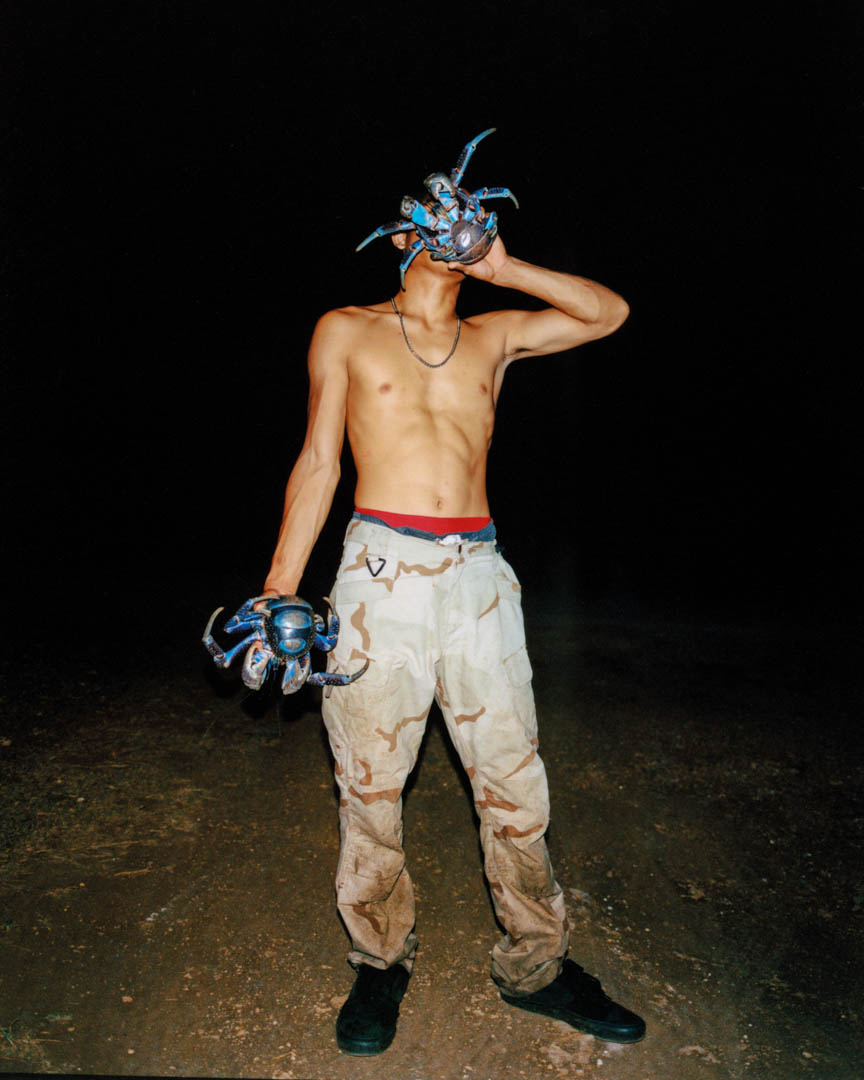
That shadow lingers, even as life continues. Today, Tinian is home to a small, close-knit Marshallese community. Children play among palm trees and rusting wartime relics. Families gather for breadfruit and fish, sustaining traditions despite the long memory of war and repeated occupations.
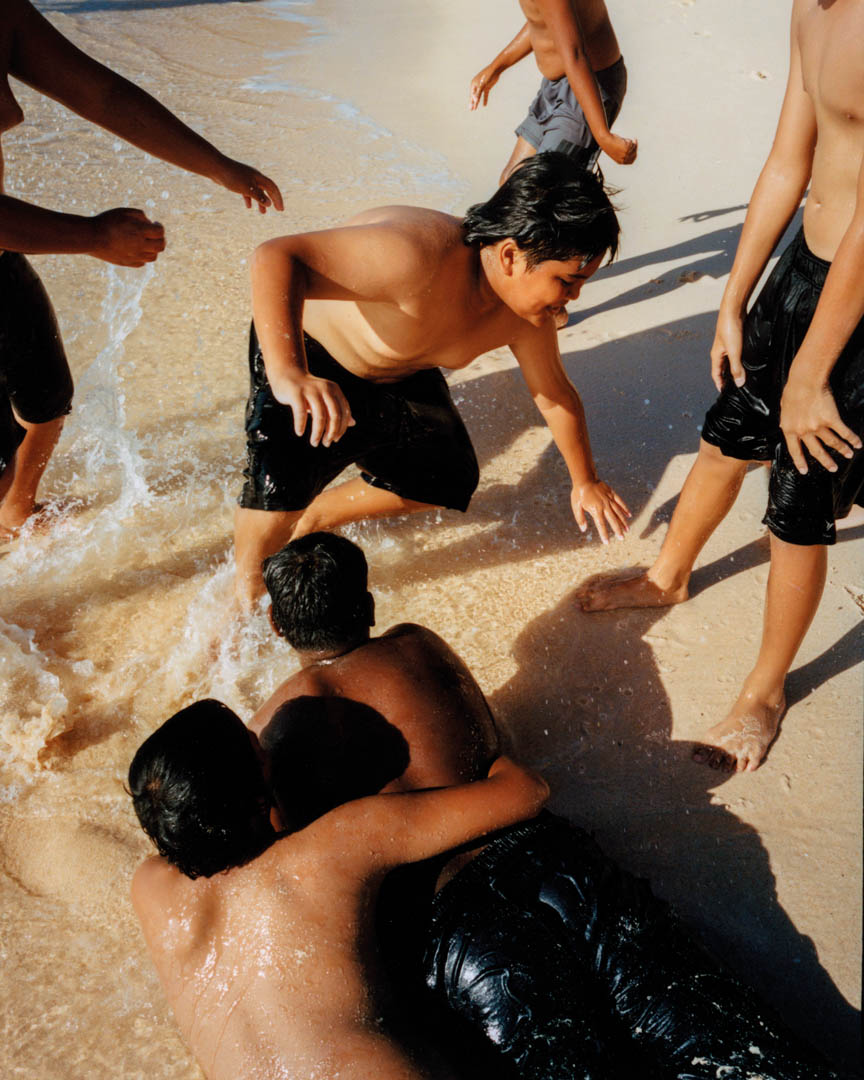
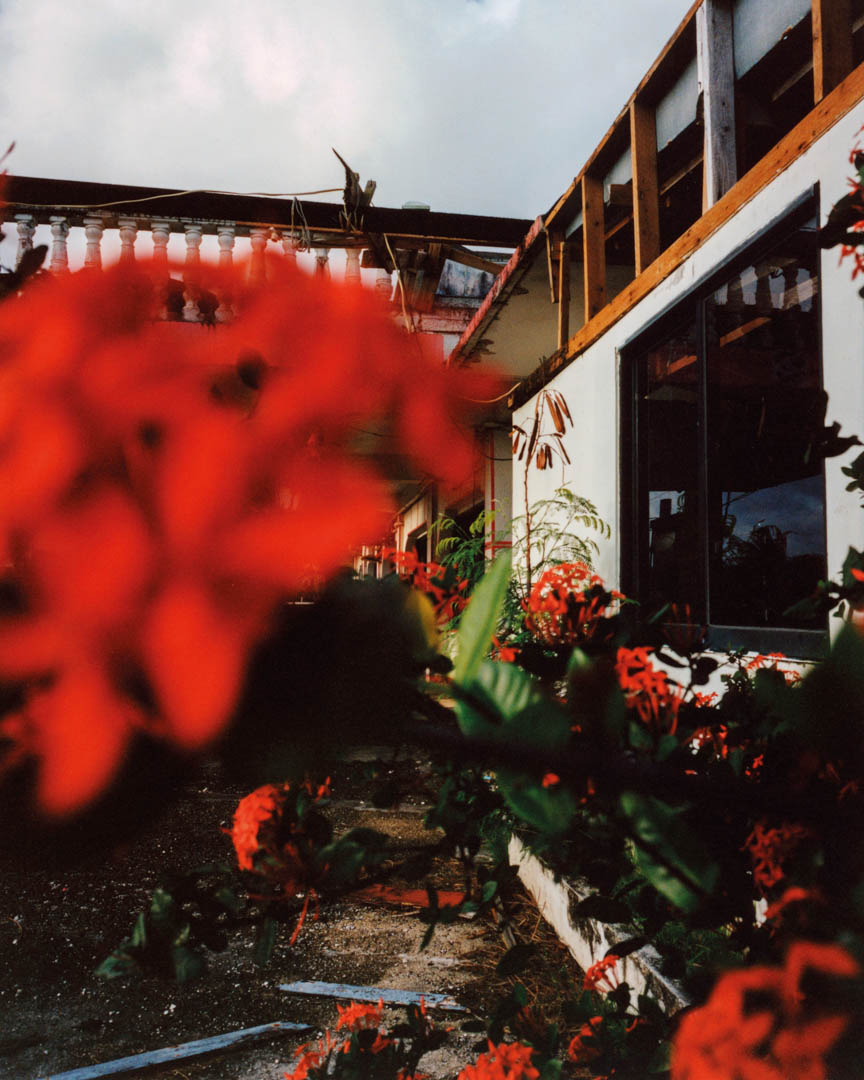
Now, another threat looms—slow and relentless. Tinian’s highest point is barely a few metres above sea level. Rising seas threaten homes, graves, and the collective history of its people. Saltwater poisons crops, while storms lash the atoll with growing intensity, testing a resilience that has long defined Marshallese culture.
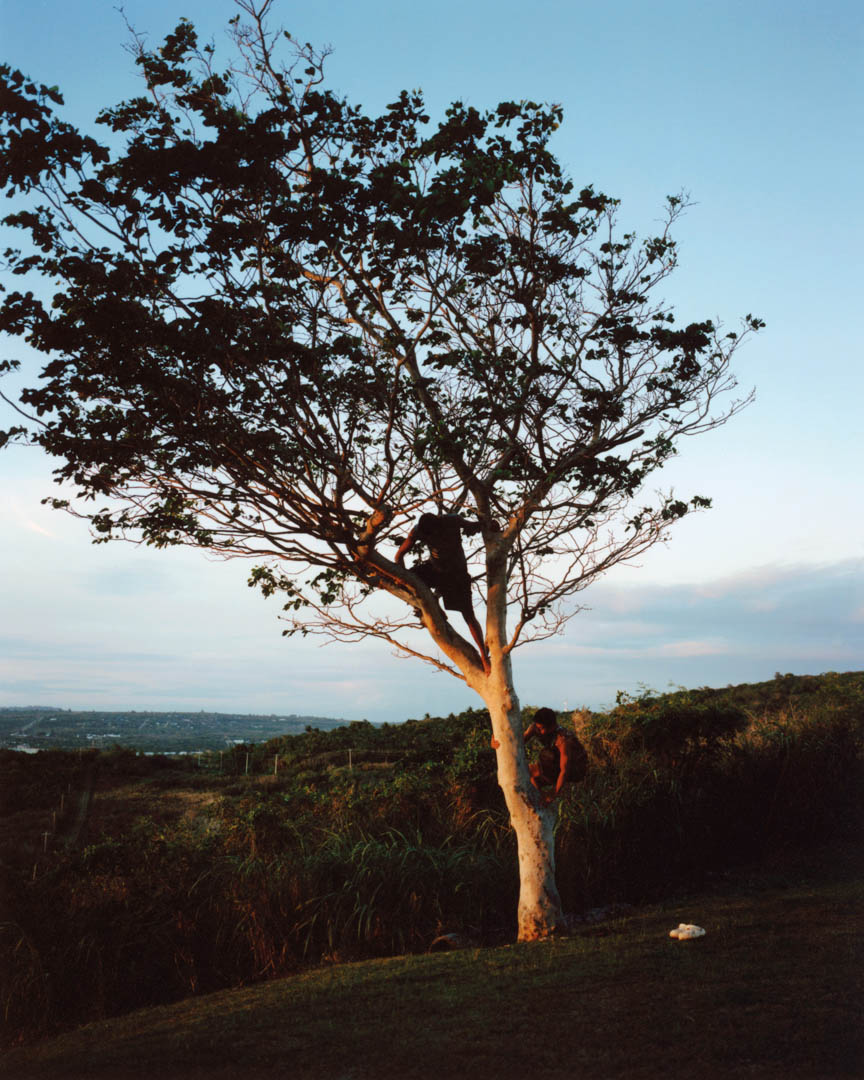
Yet determination persists, especially among the youth. They balance reverence for custom with curiosity about the wider world, imagining futures where their island survives and thrives. Education, activism, and storytelling are lifelines. The old airstrip, once a launchpad for destruction, now serves supply runs and flights connecting families and diasporas.
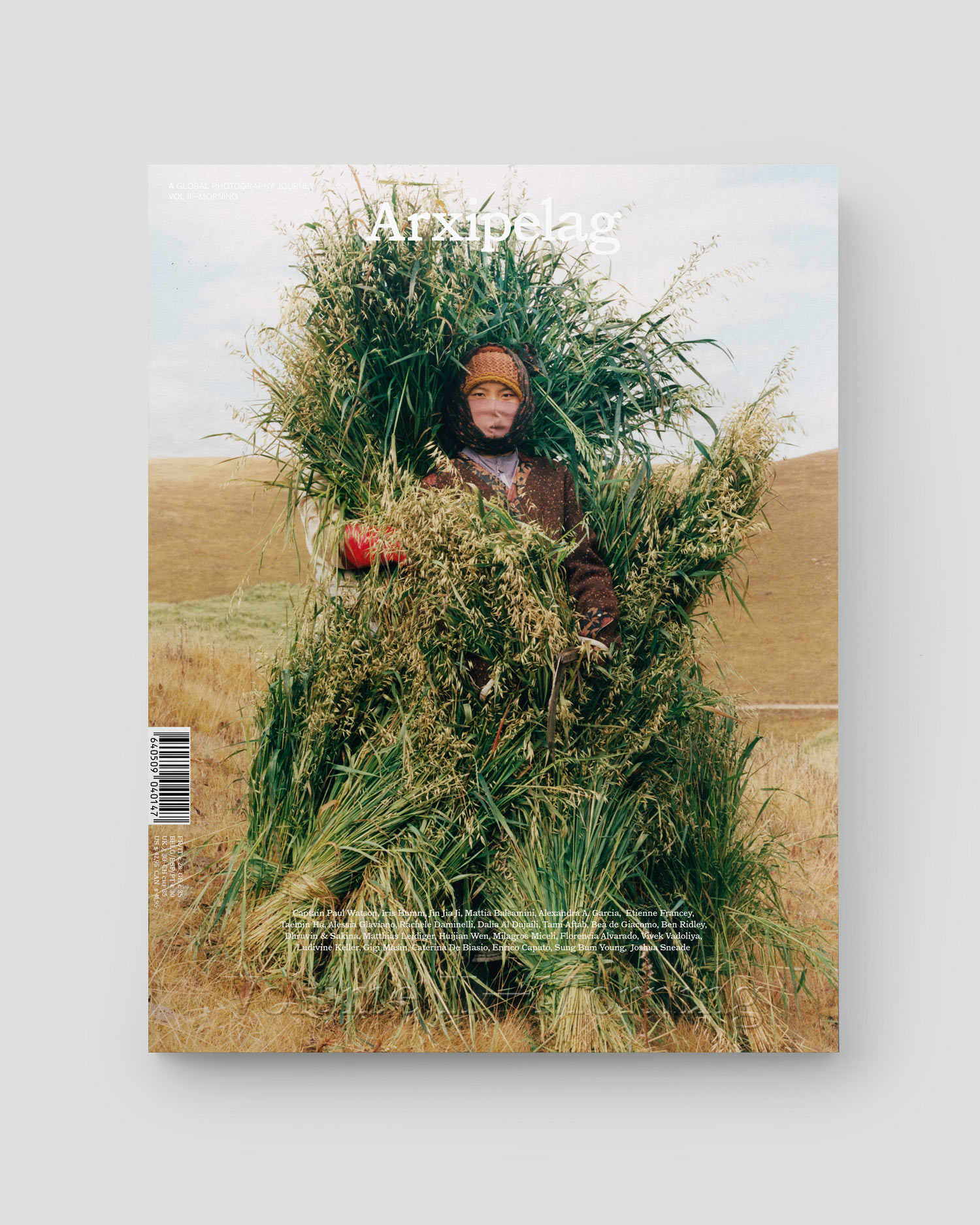
full story on Volume II
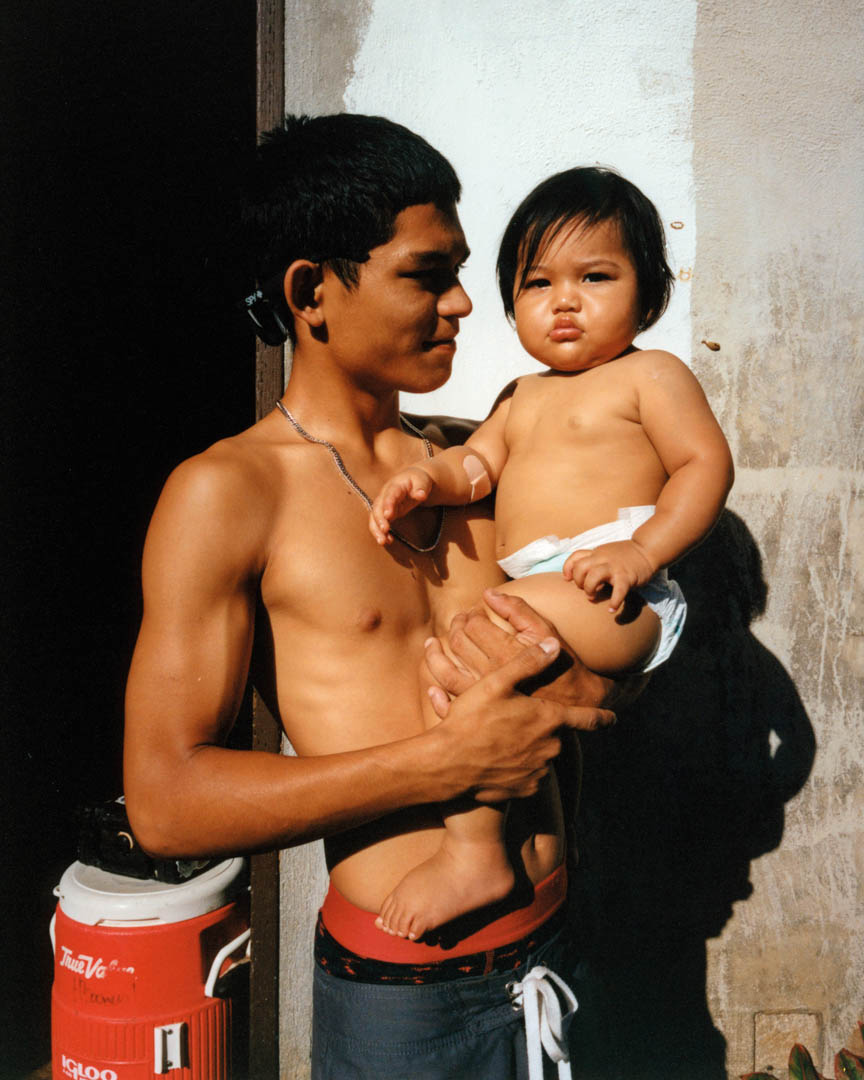
This photographic series is not just about a remote dot in the ocean. It explores what it means to grow up at the edge of history, amid climate crisis, survival, and hope. Tinian is small, but its story is immense—one that asks what we owe to the past and the future.