
ROMIE OBJETTI: WORKSHOP OF FORMS
Thomas Pigeon
Photography and interview: Thomas Pigeon
Set design: Sarah Montet
Production assistant: Elena Giraud
Alice Damiens, who works under the name of Romie Objetti, has a compelling story. She moved back in with her parents to learn her father’s craft.
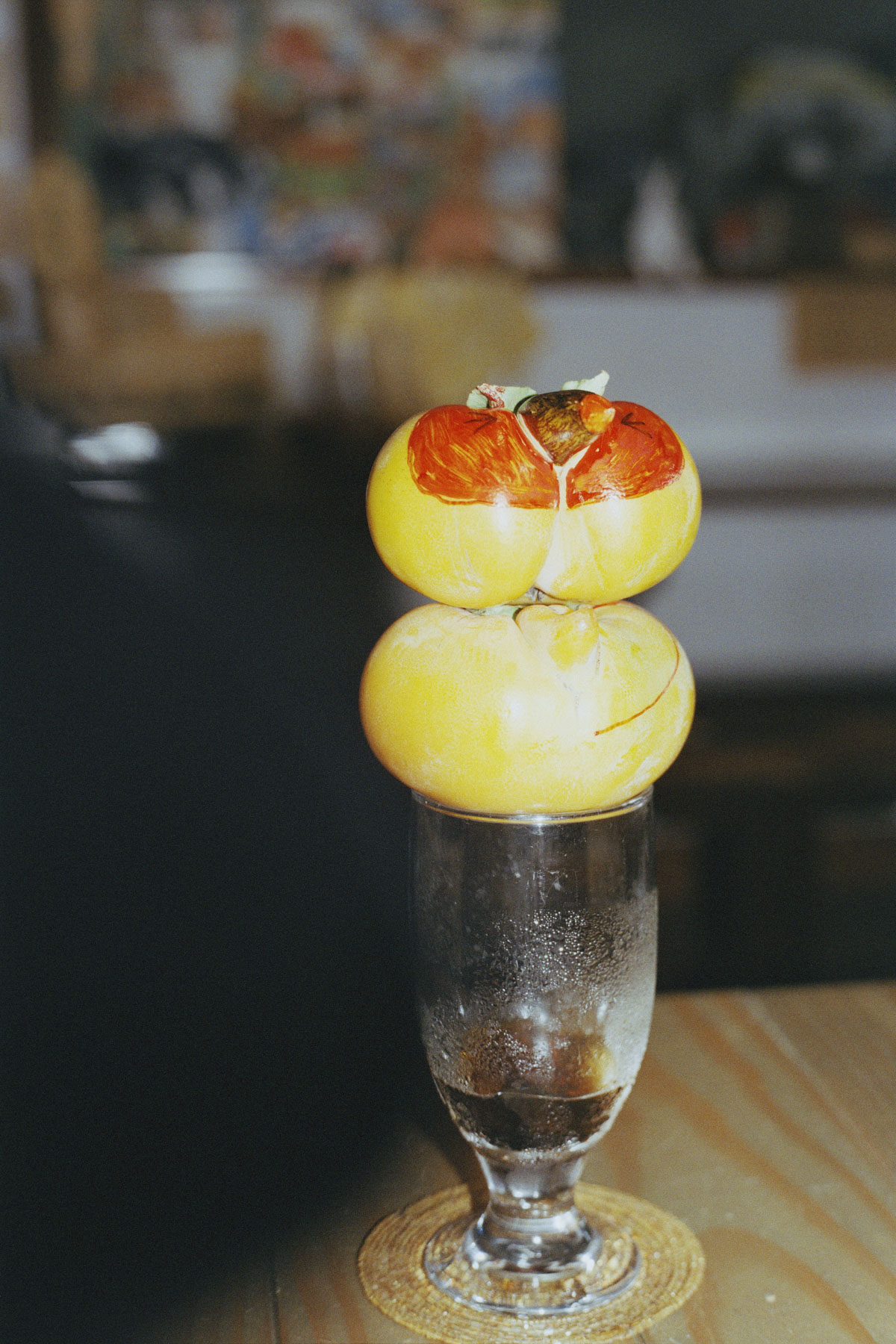
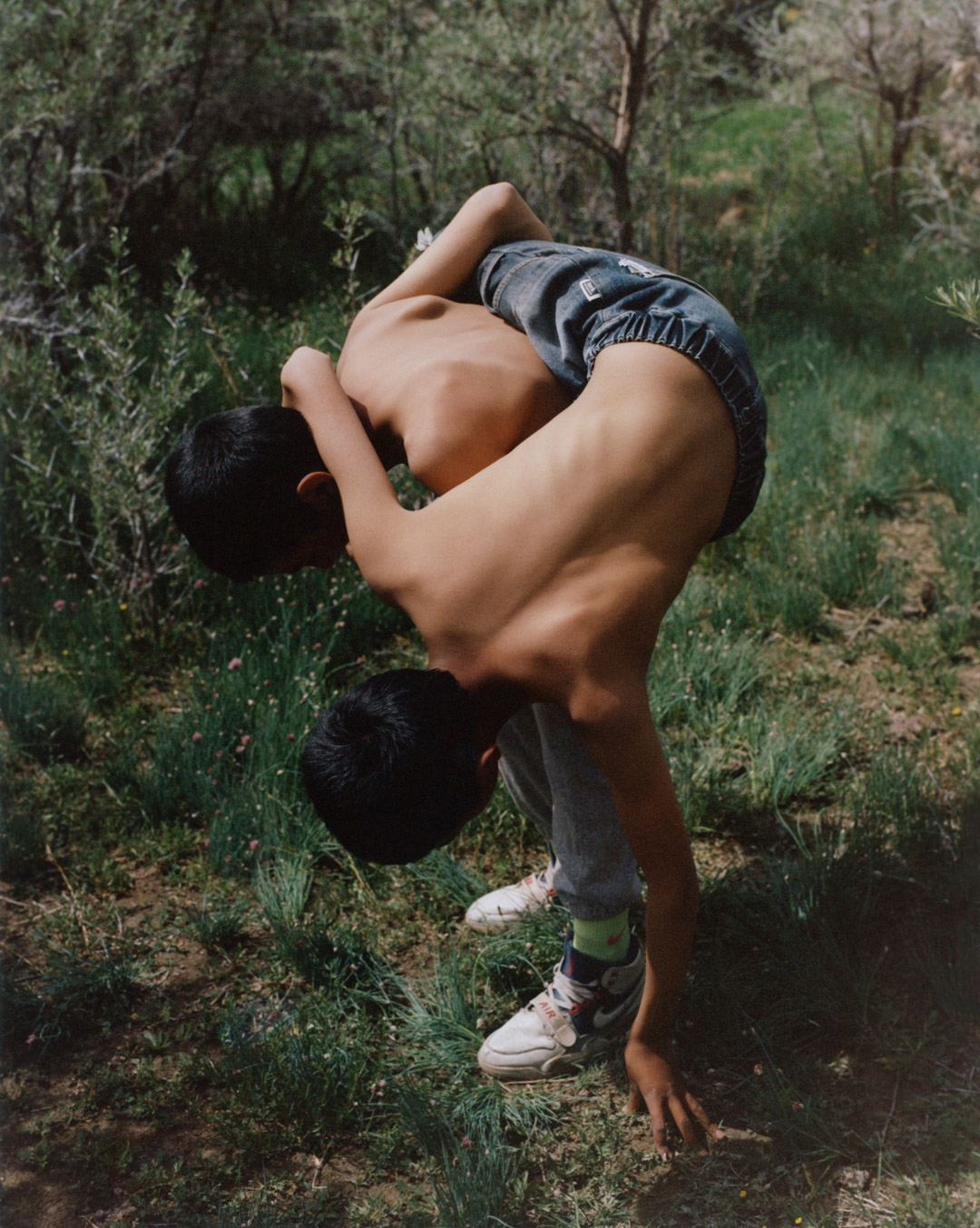
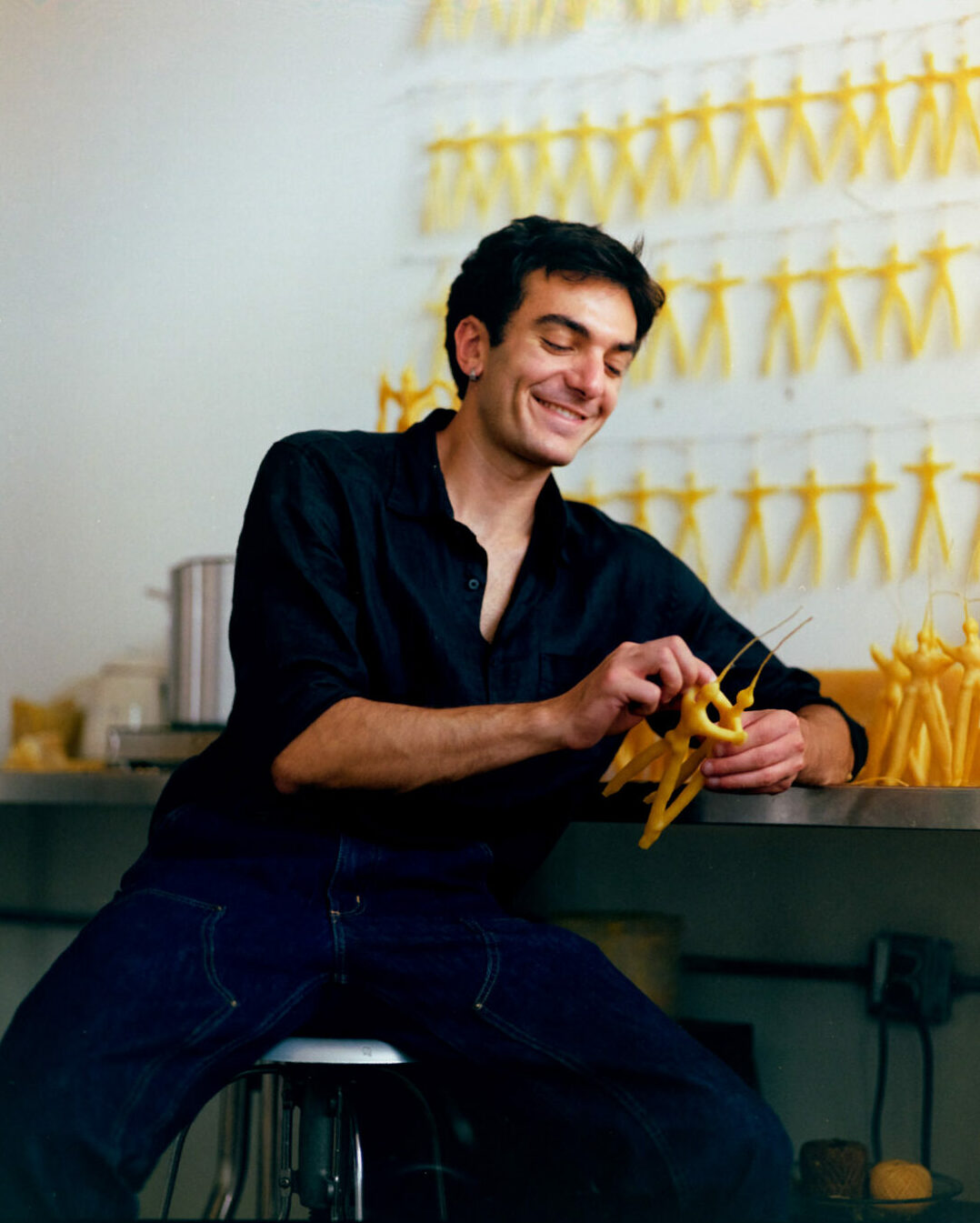
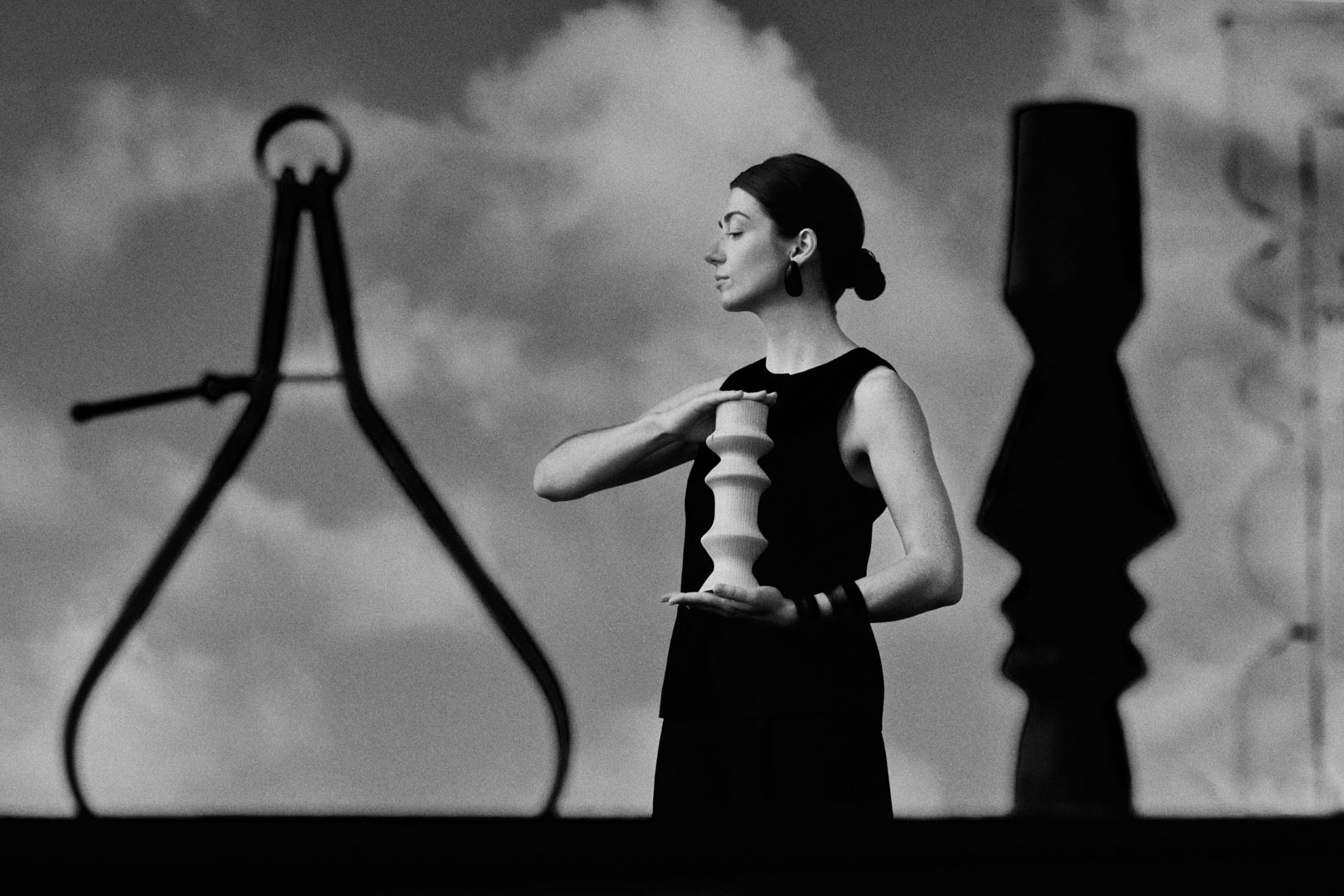
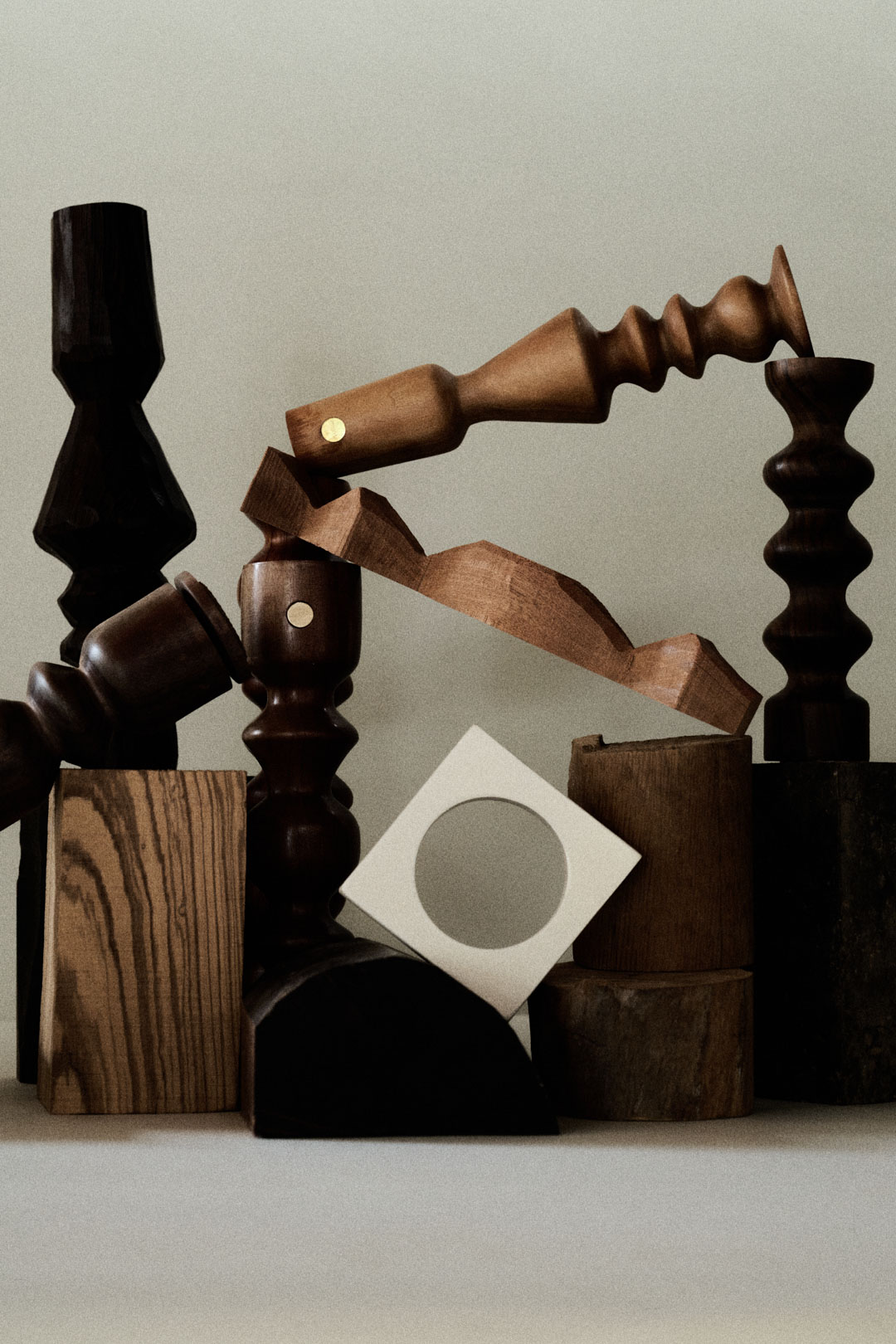
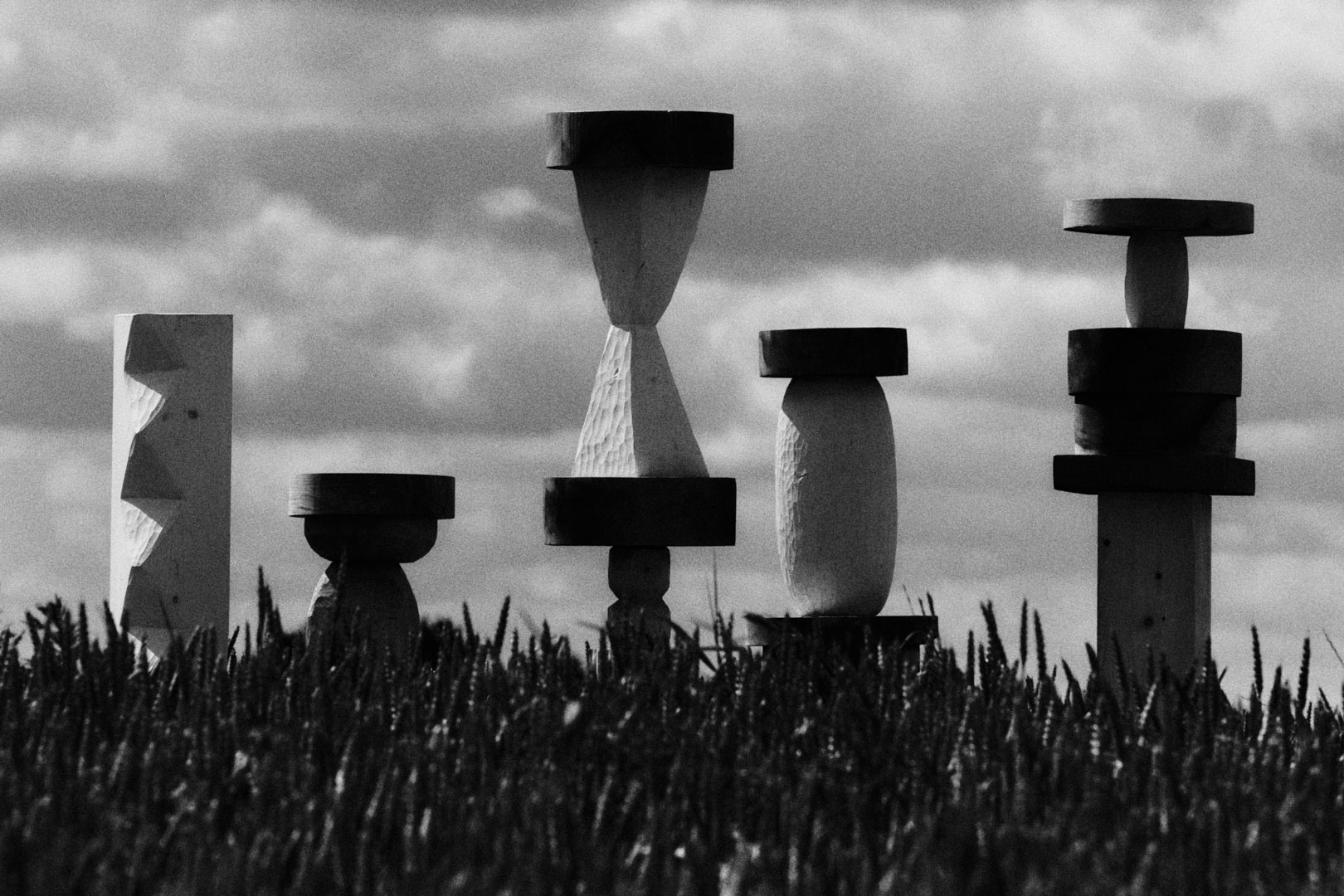
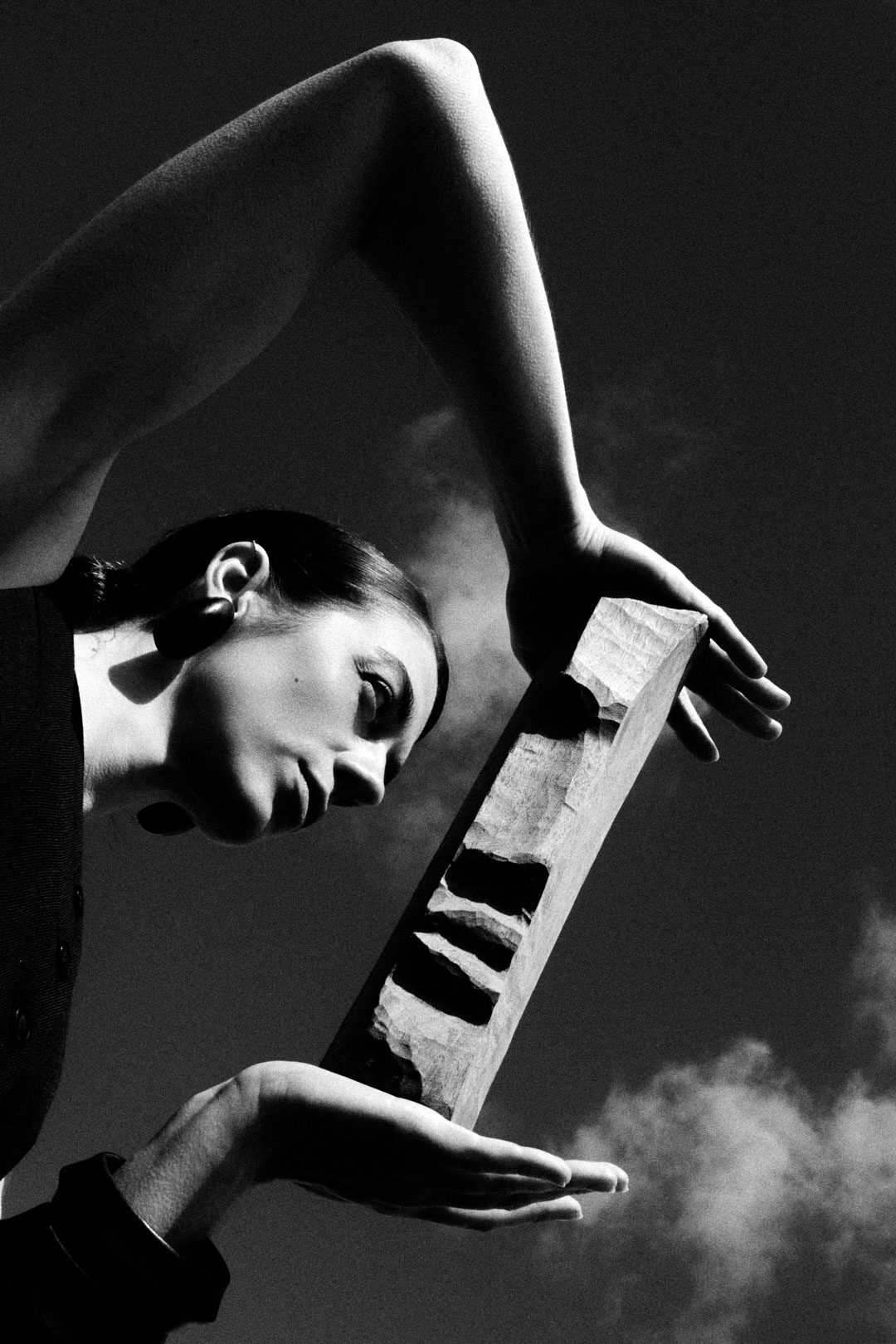
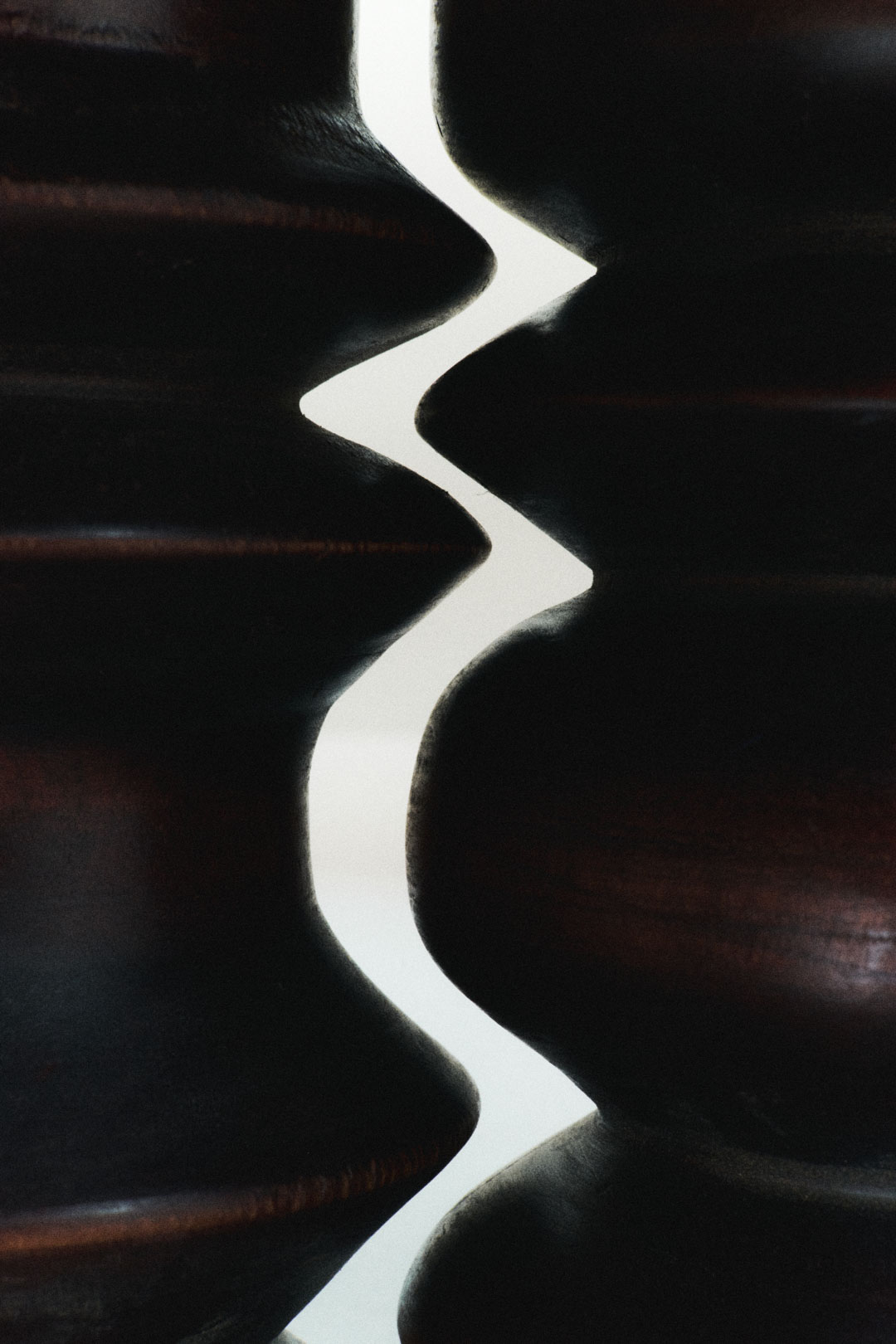
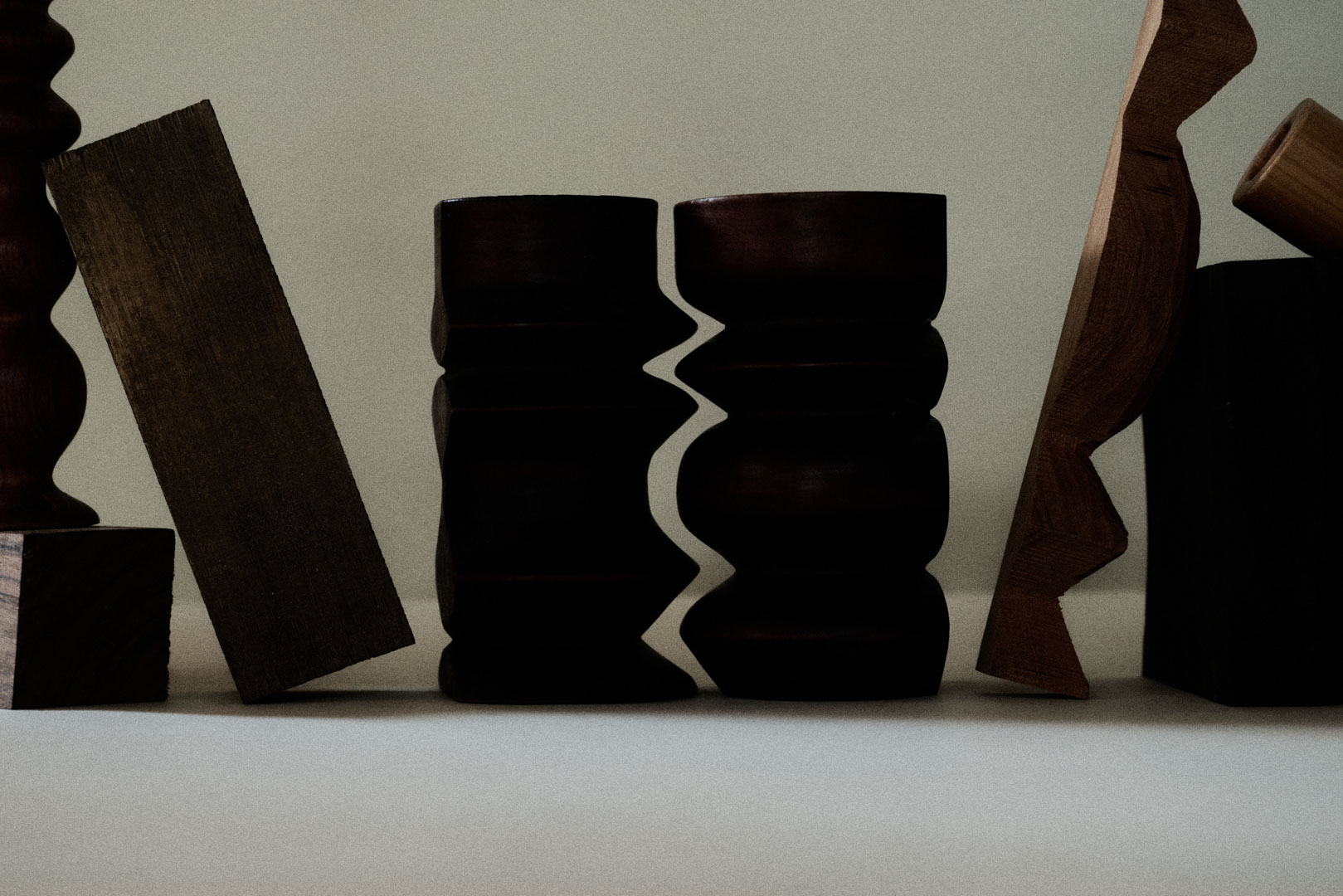
Thomas Pigeon portrays the artist through The Workshop of Forms, a photographic series and conversation that explore how her objects can transcend their functional purpose to become characters, landscapes, and stories.
Thomas Pigeon: Before you became known as a designer, you had another life. Can you tell us about your journey?
Romie Objetti: Before I fully devoted myself to sculpture, I worked in the fashion industry for almost ten years as a stylist, mainly in accessories and prêt-à-porter. I was lucky enough to hold different positions and work for several fashion houses, which gave me a comprehensive and hands-on understanding of what goes into creating and developing a fashion brand. It might seem like a world away from where I am today, but when I look closely, so much of it is still deeply relevant to what I do: working with shapes and proportions, engaging with materials and color, and building a distinct universe and identity. At the same time, I’ve always had a strong connection to physical materials and hands-on work, largely thanks to my father, who is a cabinetmaker. I started taking woodworking more seriously around 2020, and over time, I realized this was the path I wanted to build my future around. I left the fashion industry
TP: What was the process of learning from your father like, and how did the desire to follow in his footsteps come about?
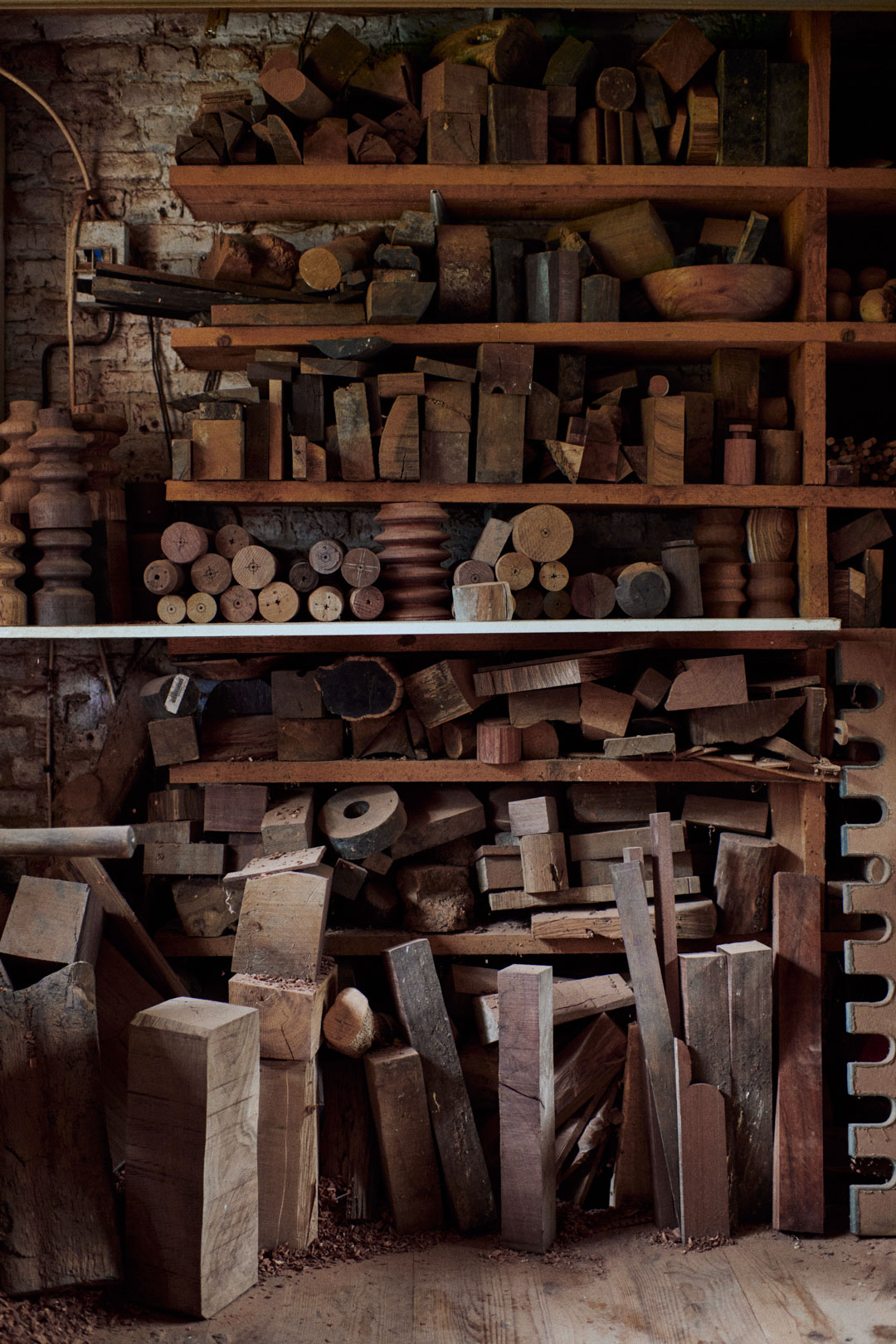
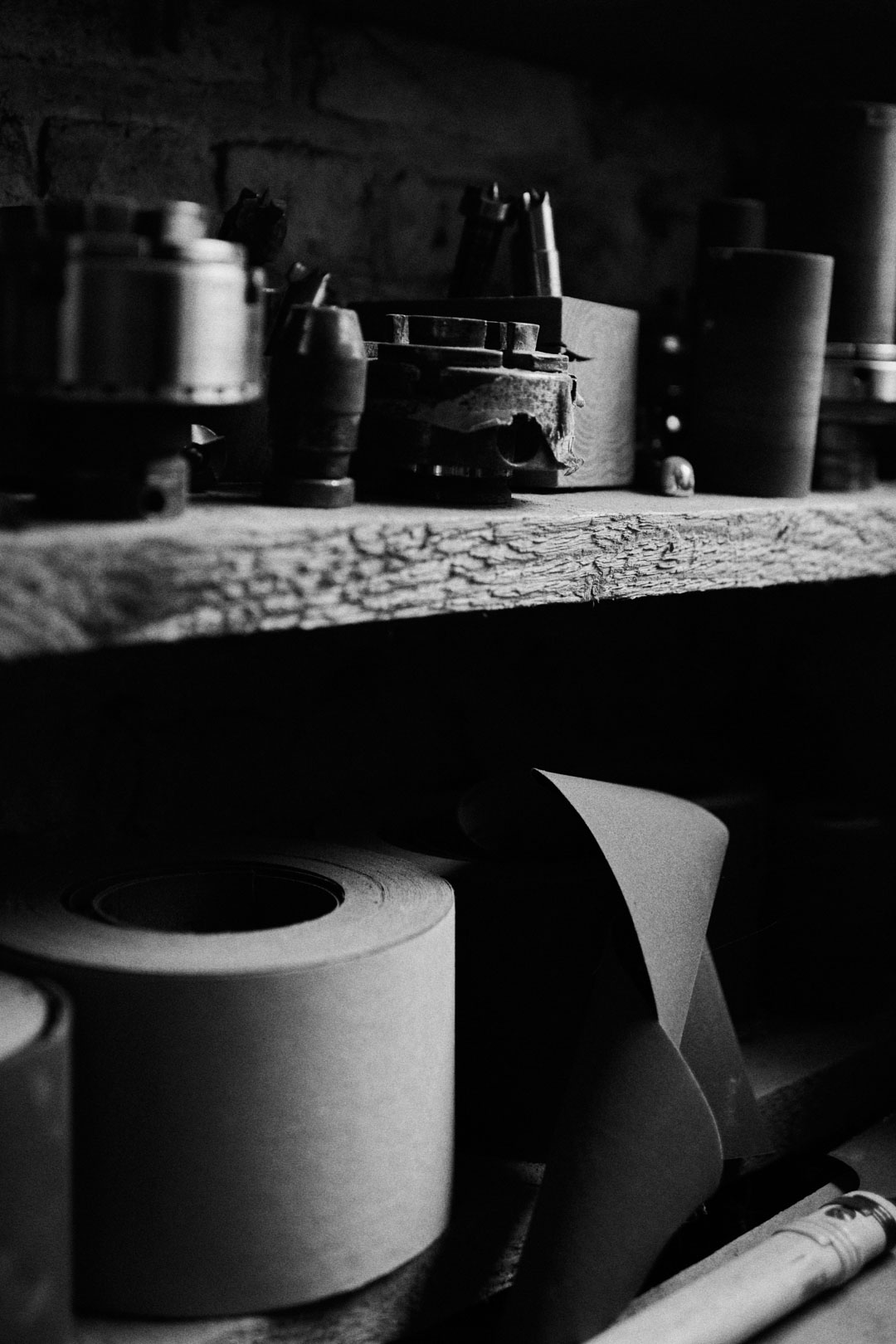
RO: It all happened pretty naturally. There was never really a moment when my father sat me down to teach me his trade. I just grew up in that environment – surrounded by the smell of wood, the machinery, the tools, and the techniques I’d been watching my whole life. Then, once I started taking a genuine interest, I learned by doing. My father passed down techniques and hands-on skills, but also a deep understanding of the material itself: knowing how to look at a piece of wood, understanding how it will react, and learning to accept its imperfections – working with them rather than trying to erase them. I wouldn’t necessarily say that I wanted to “follow in his footsteps,” because I’m not trying to reproduce his work. For me, it’s about using that heritage as a starting point to build something of my own. He gave me a foundation of knowledge and expertise, and today I’m trying to shape it into something new, through my own perspective.
TP: What was the process of learning from your father like, and how did the desire to follow in his footsteps come about?
RO: It all happened pretty naturally. There was never really a moment when my father sat me down to teach me his trade. I just grew up in that environment – surrounded by the smell of wood, the machinery, the tools, and the techniques I’d been watching my whole life. Then, once I started taking a genuine interest, I learned by doing. My father passed down techniques and hands-on skills, but also a deep understanding of the material itself: knowing how to look at a piece of wood, understanding how it will react, and learning to accept its imperfections – working with them rather than trying to erase them. I wouldn’t necessarily say that I wanted to “follow in his footsteps,” because I’m not trying to reproduce his work. For me, it’s about using that heritage as a starting point to build something of my own. He gave me a foundation of knowledge and expertise, and today I’m trying to shape it into something new, through my own perspective.
TP: Beyond the setting and your personal history, where do you draw inspiration?
RO: Are there specific artistic movements you’re inspired by? I’m much more drawn to artists and sculptors than design trends. I’m less interested in following a movement than in understanding how certain artists managed to distill a form down to its essence. Brancusi, Noguchi, and Barbara Hepworth immediately come to mind. In their work, there’s an incredible apparent simplicity, but behind that simplicity lies a deep reflection on volume, balance, negative space, and material. I’m also very sensitive to architecture, photography, fashion, and everyday objects. My background in fashion continues to shape how I see things – I think a lot in terms of silhouette, proportion, and presence. Ultimately, I try to create pieces that sit somewhere between an object, a piece of furniture, and a sculpture.
TP: If you had the opportunity to use a completely new, unknown medium to express yourself, what would it be?
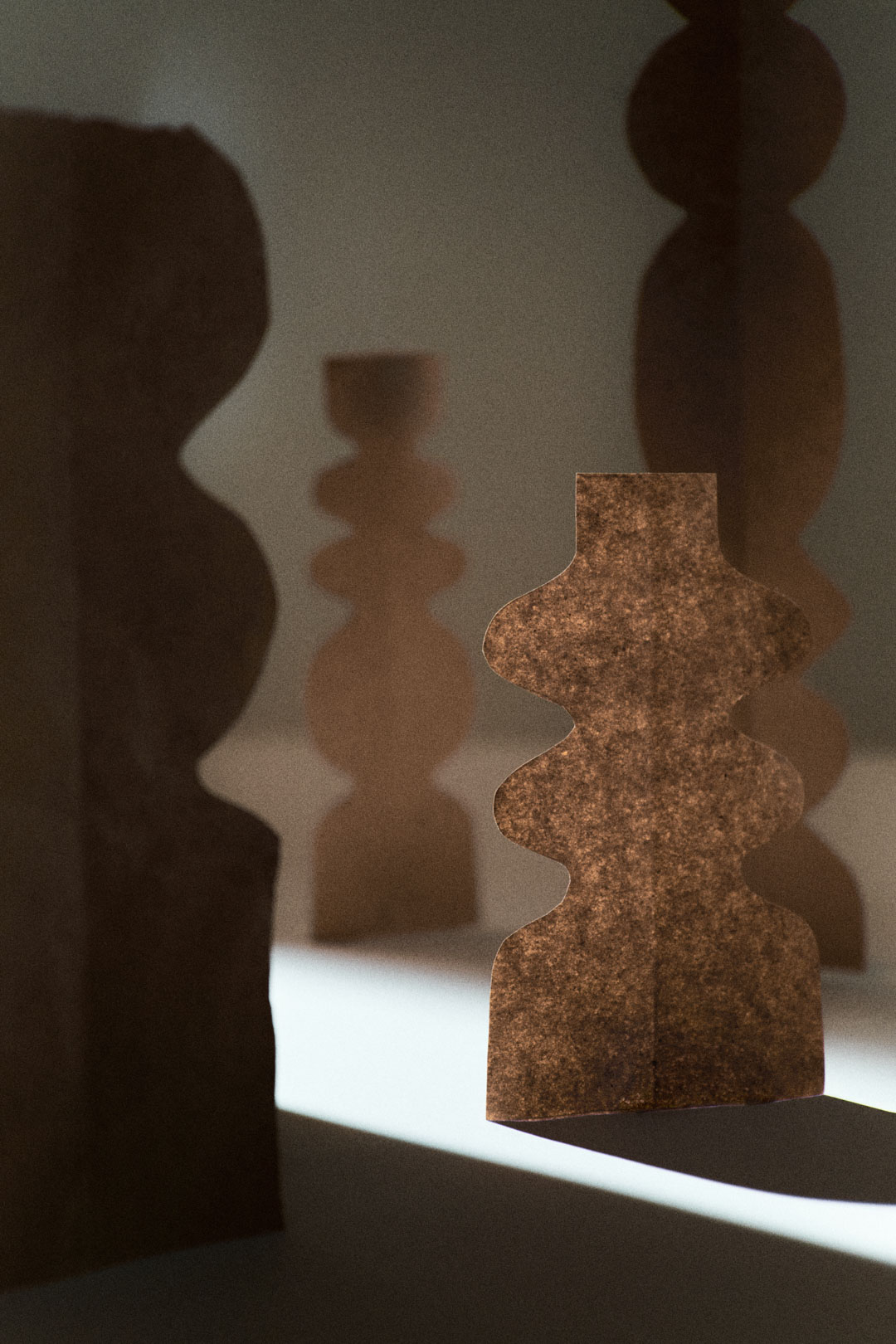
RO: I already want to continue experimenting with plaster, particularly because it allows me to explore my forms in a very different way from wood, and to move towards something more sculptural. But if I had to imagine a material I’ve never worked with before, I would say bronze. It’s a material I’m deeply drawn to for its density, its presence, and its almost timeless quality. Above all, I’d love to see how light would interact with and reflect off my forms, because my work is ultimately very much about light, volume, and shadow.
TP: How do you experience the act of creating? Does it happen in different phases for you?
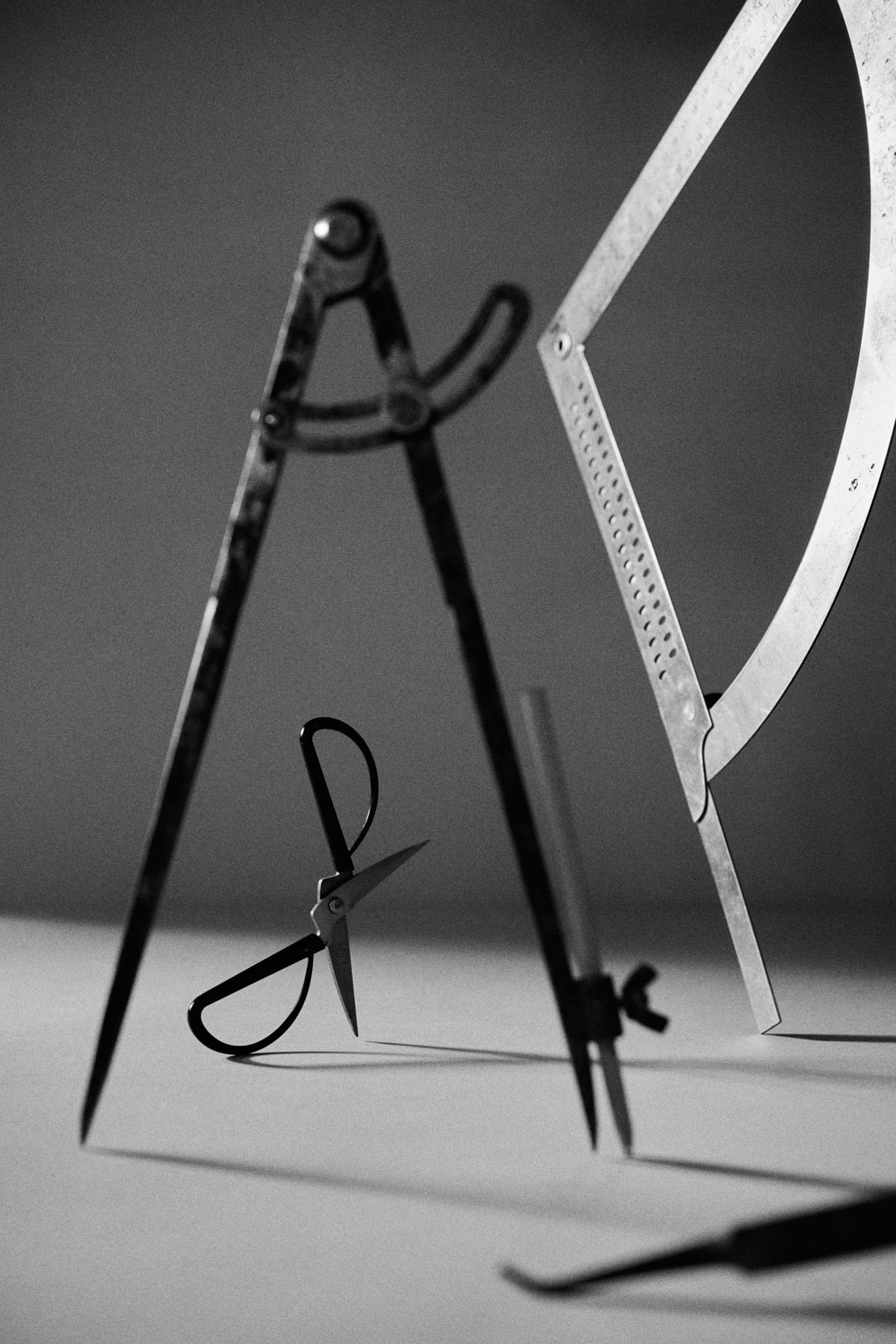
RO: Yes, and they’re quite different from one another. First, there’s a very mental phase where a shape comes to mind, sometimes sparked by an image, an object, or simply a feeling. Then comes a period of exploration: I sketch, build small models, and test proportions. Next comes the material itself, and that’s where things become much more intuitive. The material imposes its own rules. With wood in particular, you have to accept what it’s willing to give and sometimes abandon your initial idea to follow something far more interesting that emerges as you work. Finally, there’s a step-back phase. Once the piece is finished, I need to see how it lives in a space to see if it truly commands a presence. That’s usually when I know whether or not it works.
TP: How do you build your collections? Is there a system or a particular process behind them?
RO: I don’t really build my collections in a rigid or rational way. I tend to work more through families of forms. One initial piece can spark an idea, which can then be developed, distorted, or simplified. One piece leads to another. I also like to get a sense of coherence between my objects without them being identical. Like the same language, just with different words. Moving forward, I want to push this approach even further and think less in terms of a commercial “collection.” I’d rather build a vocabulary of forms that can evolve over time.
TP: Do you have any projects that feel impossible to realize at the moment, but that you dream of creating? If so, what are they?
RO: Yes, many. In particular, I’d love to create monumental pieces that completely transcend the scale of the object and take over a space. Sculptures or installations that you can actually enter, move through, and experience from within. I’d also like to create a kind of imaginary house: a space entirely designed by me, with a table, seating, lighting, sculptures, objects… but where everything would function as a single work of art.
Thomas Pigeon
Thomas Pigeon is a french photographer based in Annecy and Paris who creates cinematic visual universes inspired by outdoor culture, technology and science-fiction. His work blends technical precision with a deep artistic sensibility, shaped by his background as a lighting director and his connection to nature.