
THE KARIGARS OF KINK
Shubhie Goswamy
Words by Shubhie Goswamy
In the sun-scorched villages of Rajasthan, lies a small village called Udaipuria, where the Atal family has stitched, dyed and cut leather for generations.
I am here with Randhir, founder of the kink fashion brand ‘Subculture’, who kindly introduces me to Mahesh, the patriarch of the Atal family. I walk in, jeans-clad, hair down, hand outstretched and introduce myself. I am met with a wide, curious smile and hands folded into a namaste. The rest of the family, curiouser still, watch from the sidelines.
‘Chai peyoge?’ Mahesh asks.
‘Bilkul,’ I say, and just like that, we settle into an ease.
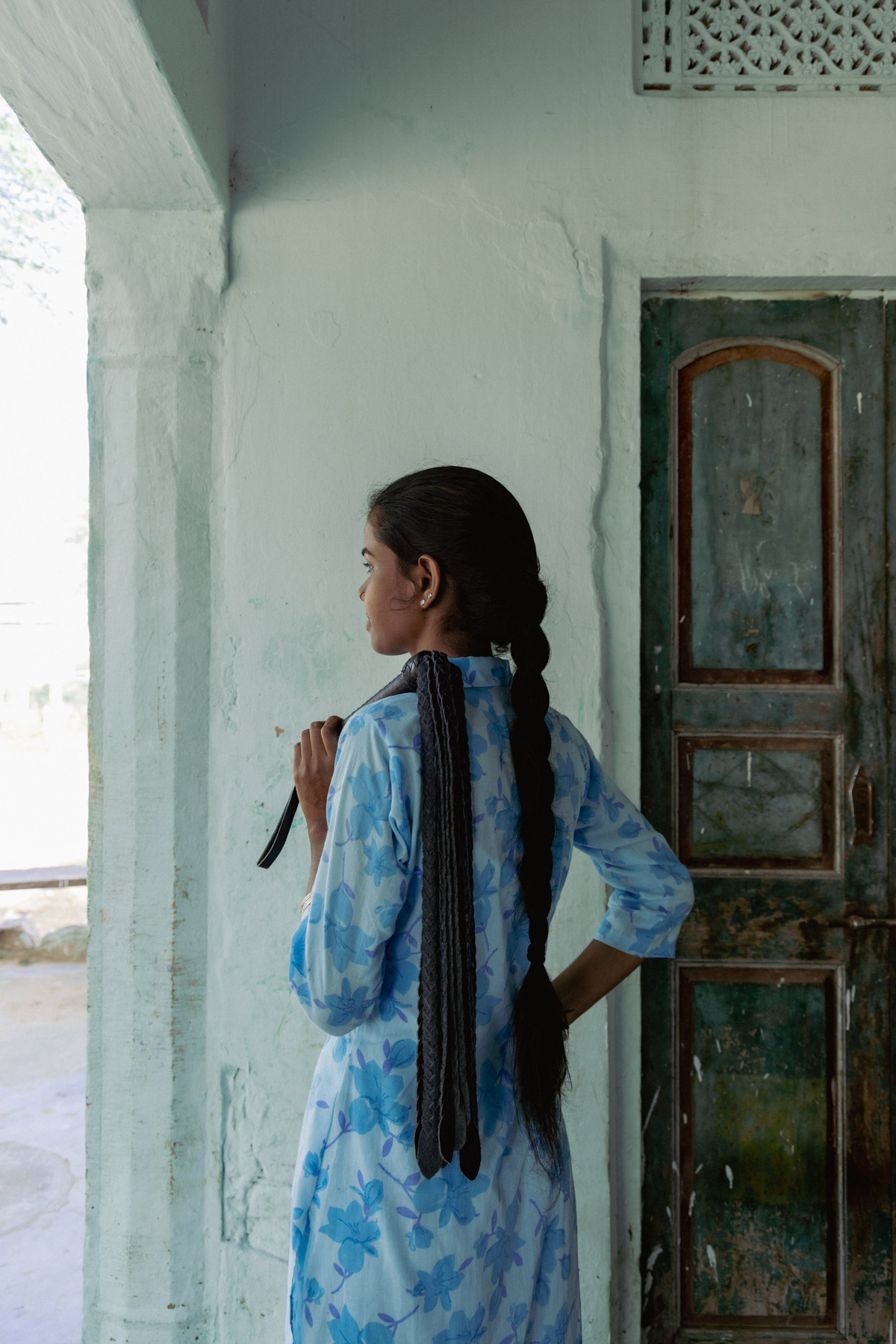
Across India, in towns and villages much like Udaipuria, women still cover their heads, walking the dusty lanes with a quiet obedience. Social hierarchies persist and people move within structures; structures that shape what work is available, what futures are imaginable, and how far a family’s name can travel. Yet, within these boundaries, craft provides a space of agency, a quiet and acceptable assertion of skill and ingenuity.
History tells us that artists and artisans are afforded a rare freedom to say the unsayable. From the temples of Khajuraho to the paintings of M. F. Husain, challenges to the social order through acts of artistic devotion, secular or otherwise, are woven into the fabric of the nation. Such works unsettle the prevailing morality from these same margins. It’s in this context that the Atals found themselves on a path that would, unexpectedly, bring them into contact with the outer edges of contemporary culture.
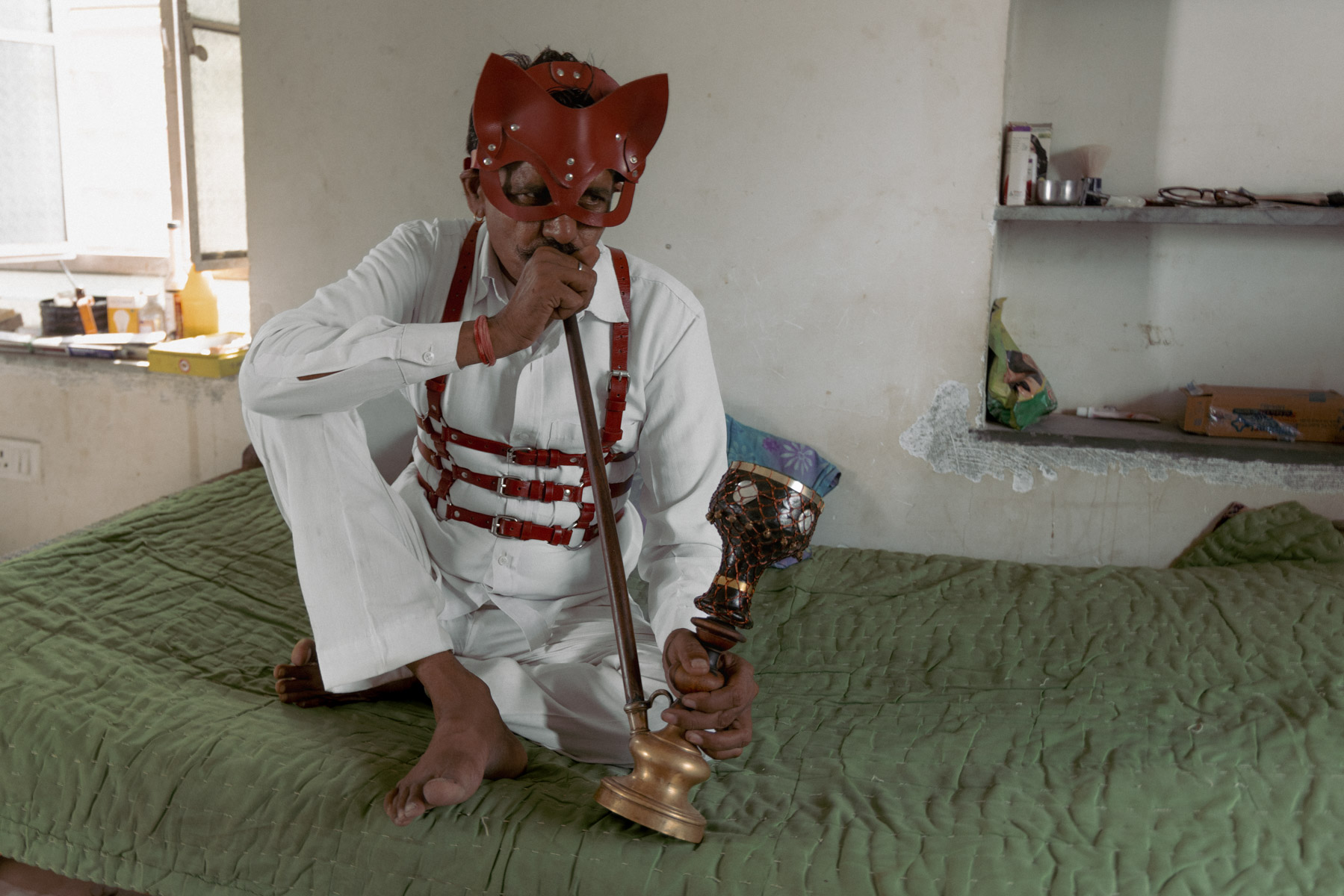
Leather runs through the veins of the Atal family. “This is our ancestral work,” he says. Mahesh learned as a boy, sitting alongside his father, and now passes it on to his own children.
It is a peculiar thing to inherit a craft, a relationship with material, understanding where it will resist and where it will yield. The artisan does not simply produce an object, but carries forward a body of knowledge accumulated across generations.
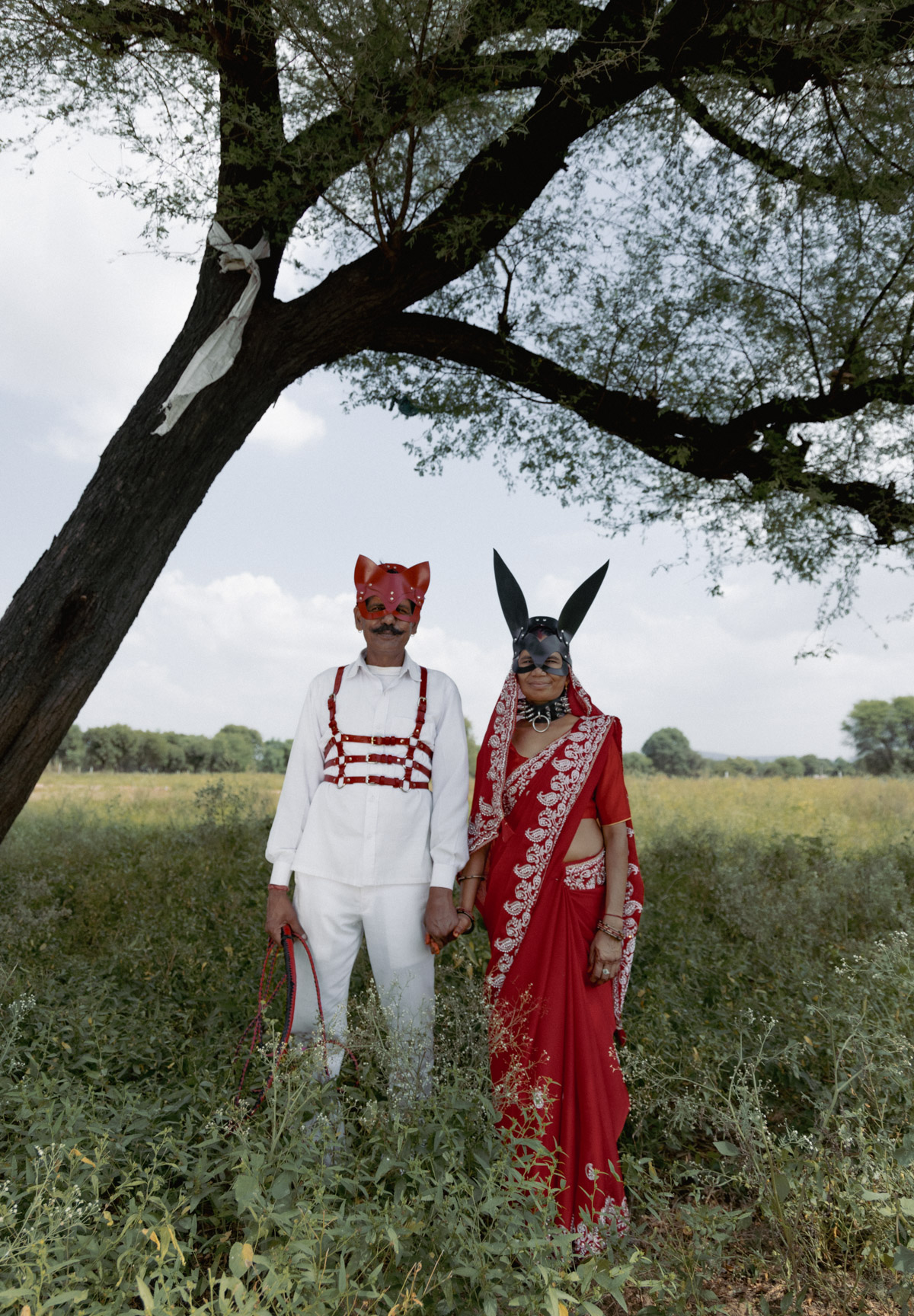
In 2021, shortly before the pandemic, Mahesh was contacted by Randhir, who occupies a curious position within contemporary India. Desire is everywhere and nowhere at once, visible in film posters, baked into roadside billboards and college dormrooms, but rarely acknowledged out loud. What Randhir is doing, through Subculture is particularly notable in that sense; he is not simply offering clothing, but a way of participating in sexual expression; providing a new vocabulary for a nation readying itself for a conversation.
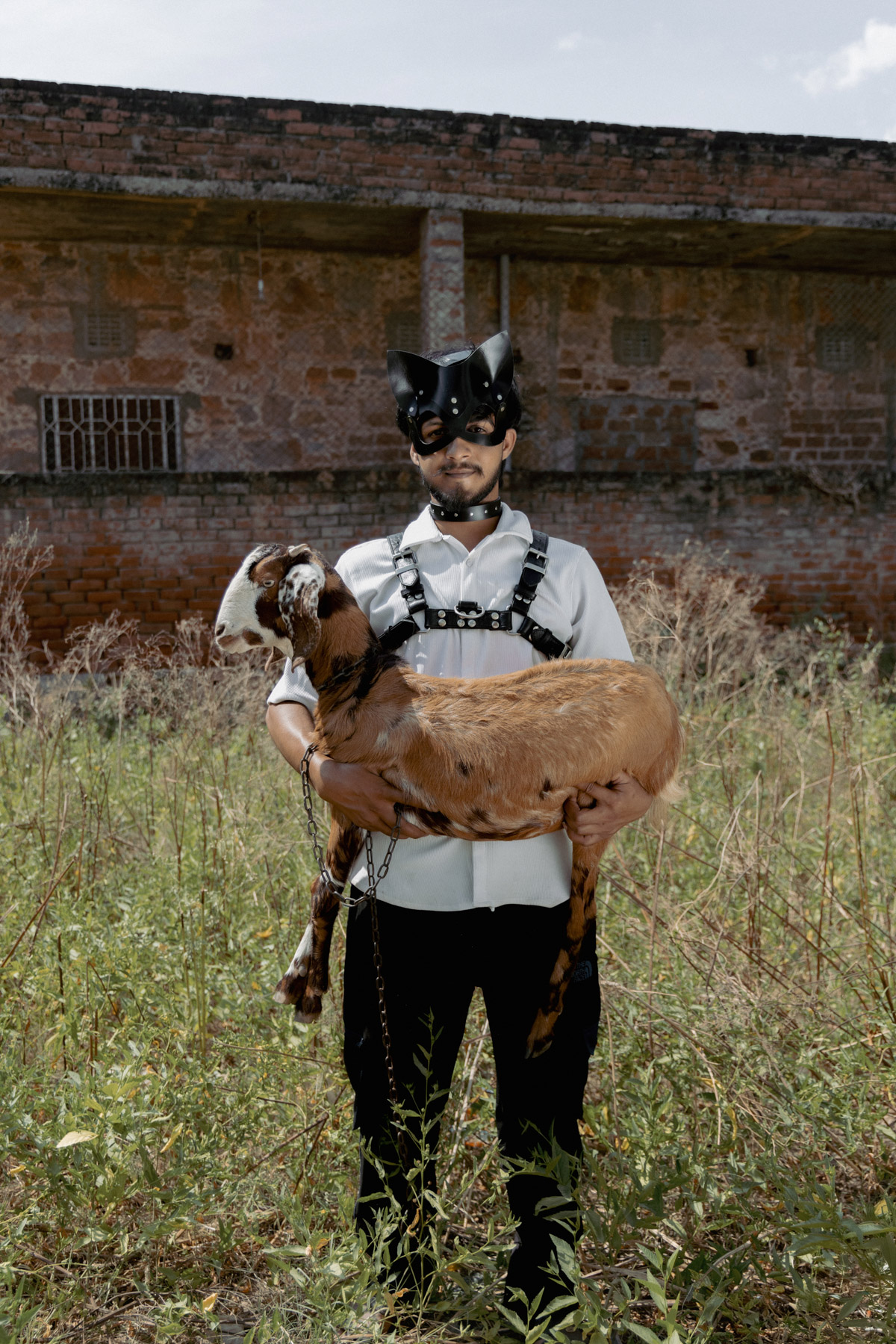
When asked about his first meeting with Randhir, Mahesh laughs shyly. “Do people actually like to wear such things?” He recalls asking myself.
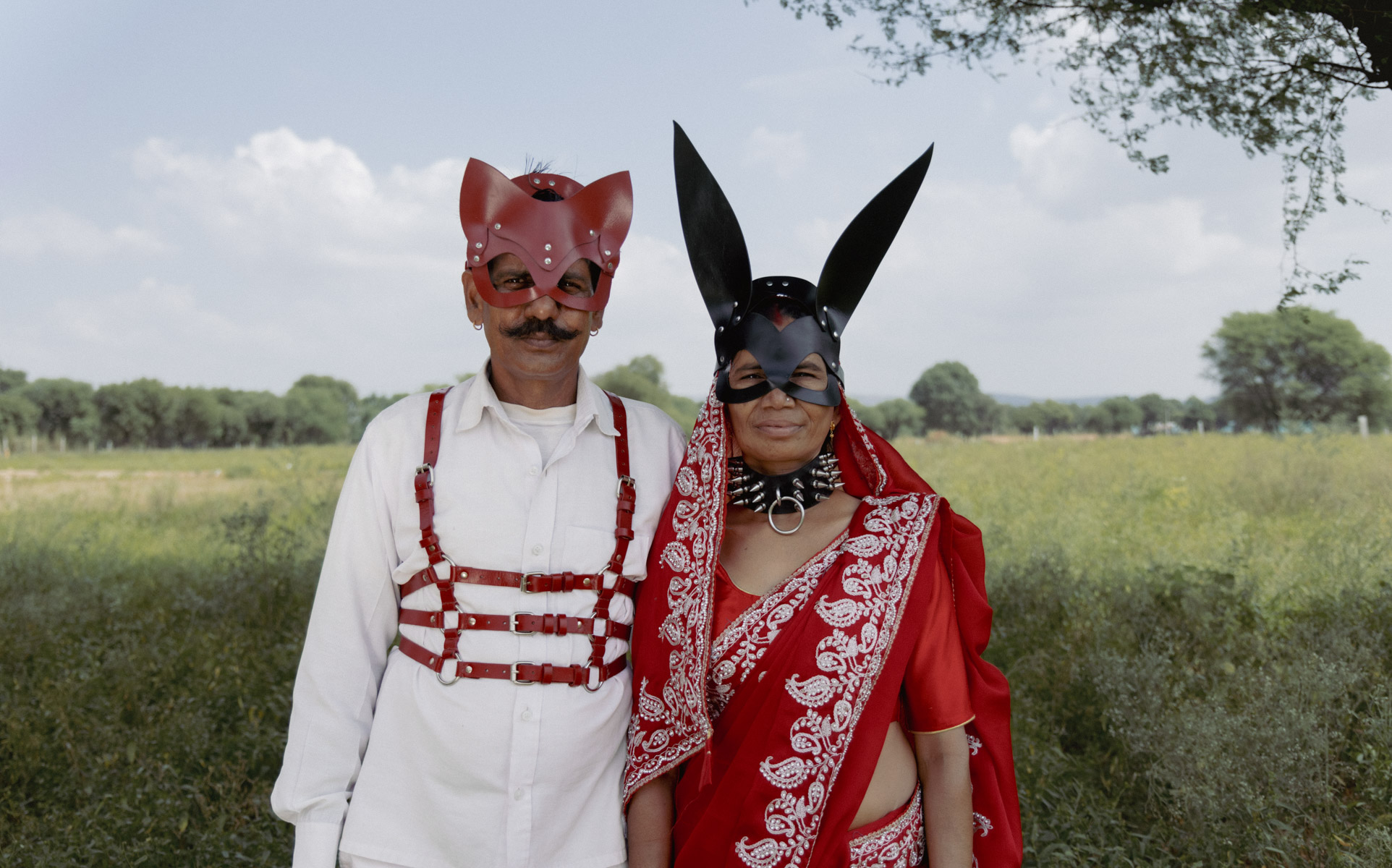
His curiosity prevailed, and the Atals started to learn how to craft harnesses and masks, collars and more. And when a piece was completed, they tried it on, to make sure it fit right. In this instant, I find something defiantly poetic; a brief dissolution of the distinction between maker and wearer; two worlds, both condemned and pushed to the peripheries, converging through the act of making.
While the kink community occupies a stigmatised space within contemporary Indian society, leather workers face a much older stigma, shaped by centuries-old caste-based notions of impurity. In this context, the Atals’ openness signals a particular courage. Producing these garments requires navigating gossip, judgment, and social scrutiny.
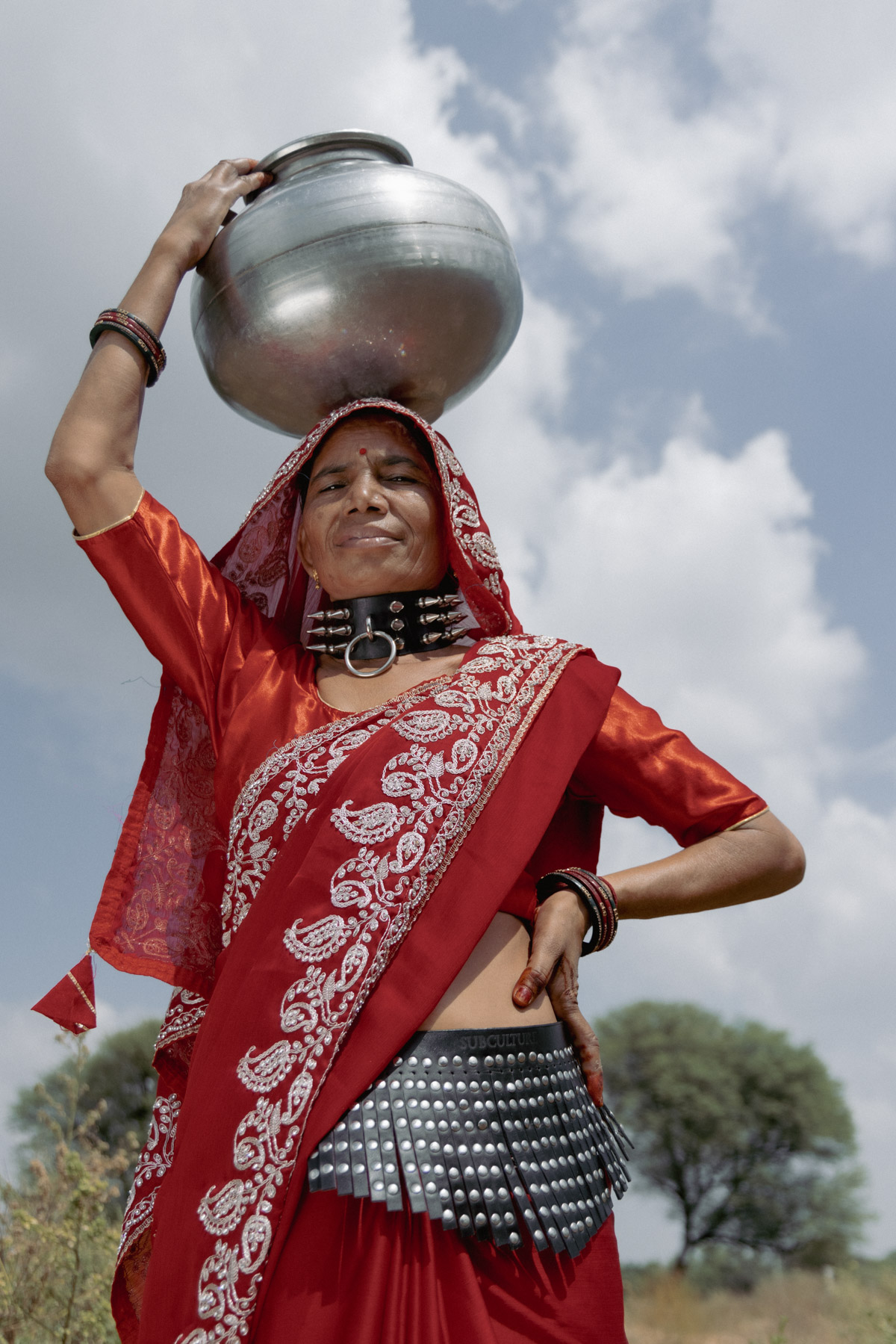
“Through this, my name has been made,” Mahesh says. “People in the village may talk, but this work has given us profit these past four or five years. And more than that, it has given me something new to learn.”
When I asked him what he thinks about these pieces he is crafting, whether he accepts it, understands their purpose, embraces them even, his answer is simple,” We live in the village, but we don’t have to be limited to it. The world is changing, why shouldn’t we?”
I’ve returned to that sentence many times since leaving Rajasthan. There is no grand declaration in it, no manifesto, no grand ideology. Only a refusal to accept that tradition and curiosity must stand in opposition to one another.
In the end, the Karigars of Kink are not defined by the novelty of what they make. What matters is their willingness to pick up something unfamiliar, turn it over, try it on, and find that it fits.
Shubhie Goswamy
Shubhie Goswamy is a image-maker, working across photography, film, and art direction. Drawing on documentary instincts and a playful, sometimes provocative eye, she is drawn to the fleeting, the overlooked, and the beautifully ordinary. Through socially resonant and visually striking imagery, she seeks to shift perspectives, spark imagination, and bring visibility to voices and experiences often left at the margins.