
SAM WARKOW: LIVING STRUCTURES
Cason Lukens Latimer
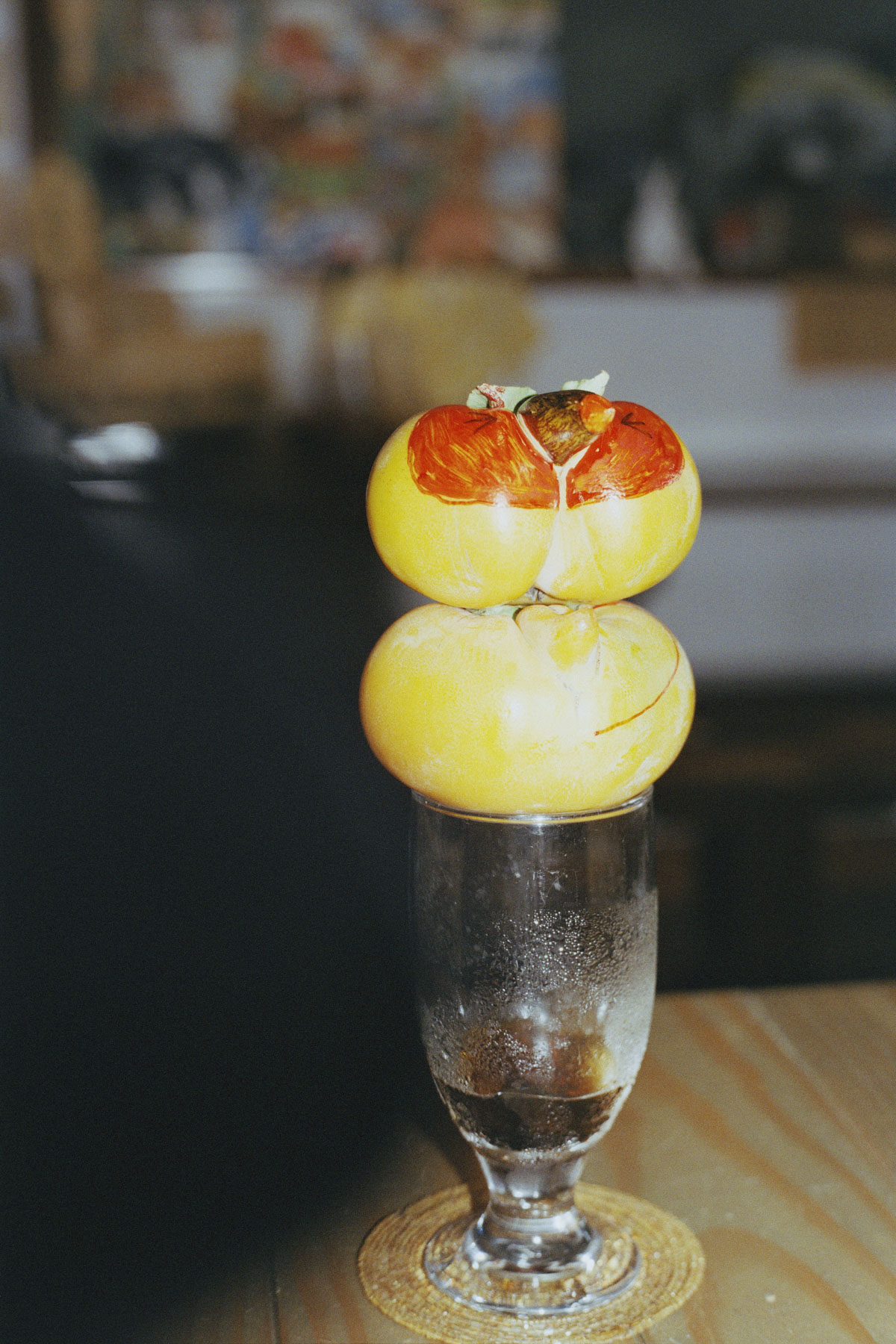
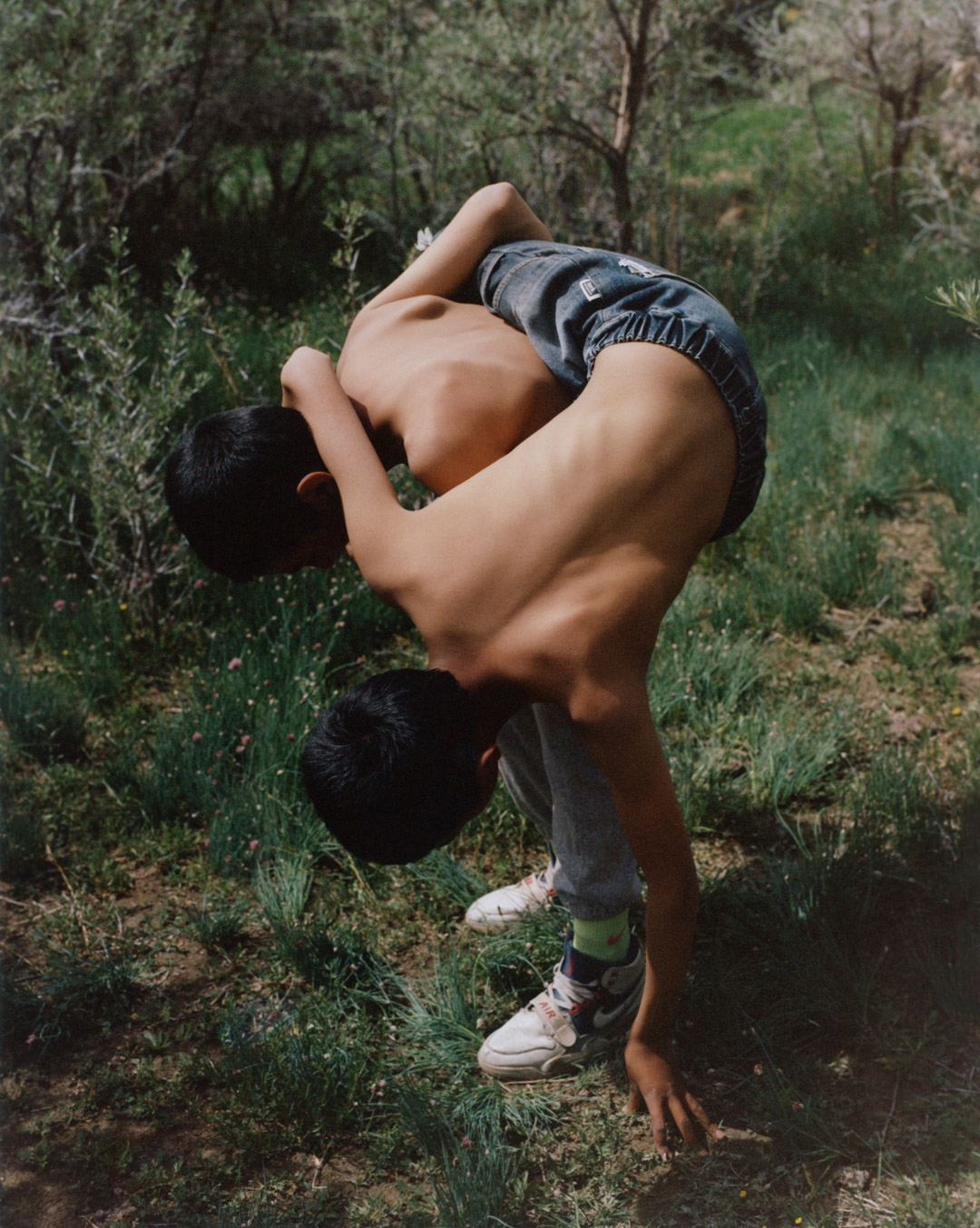
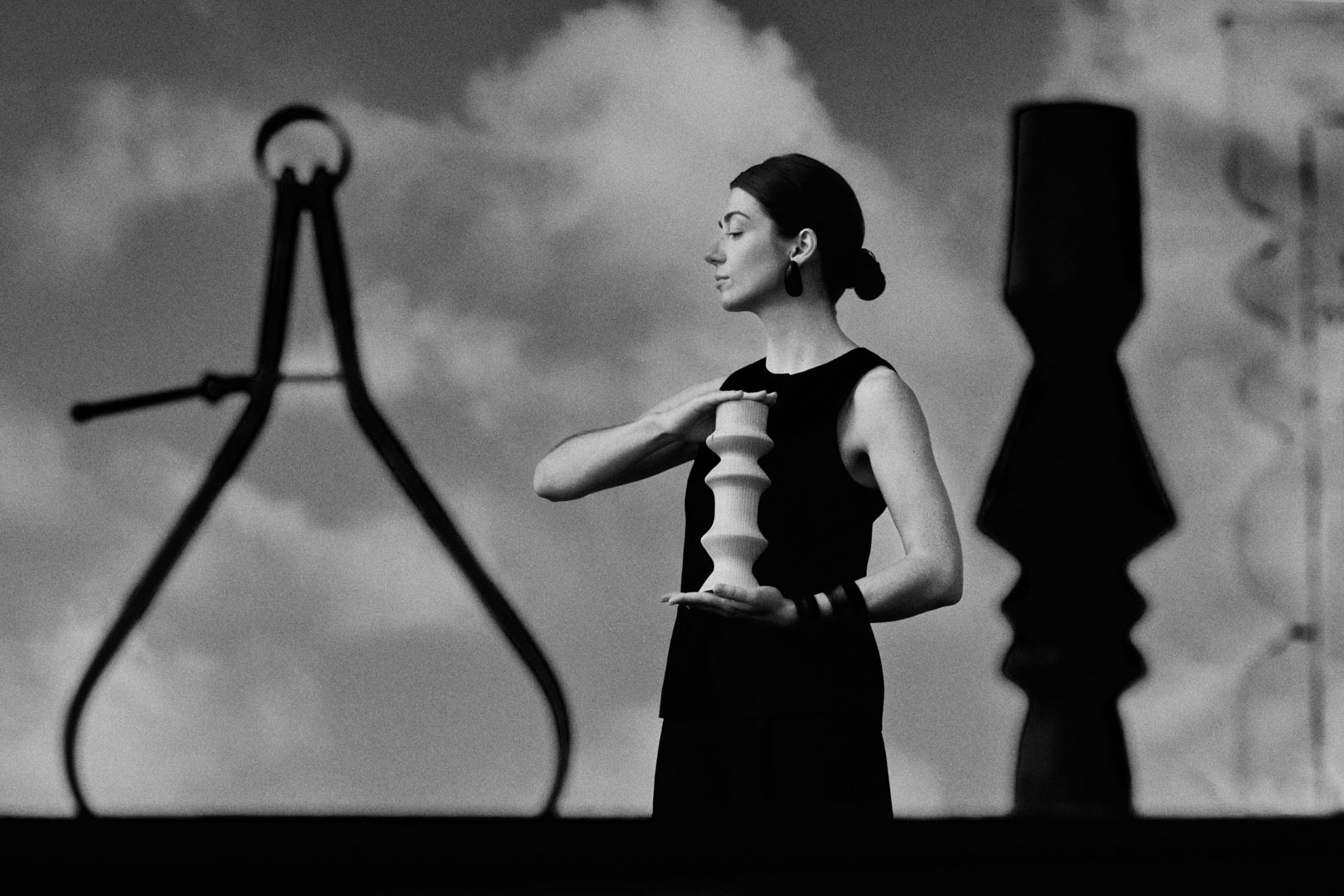
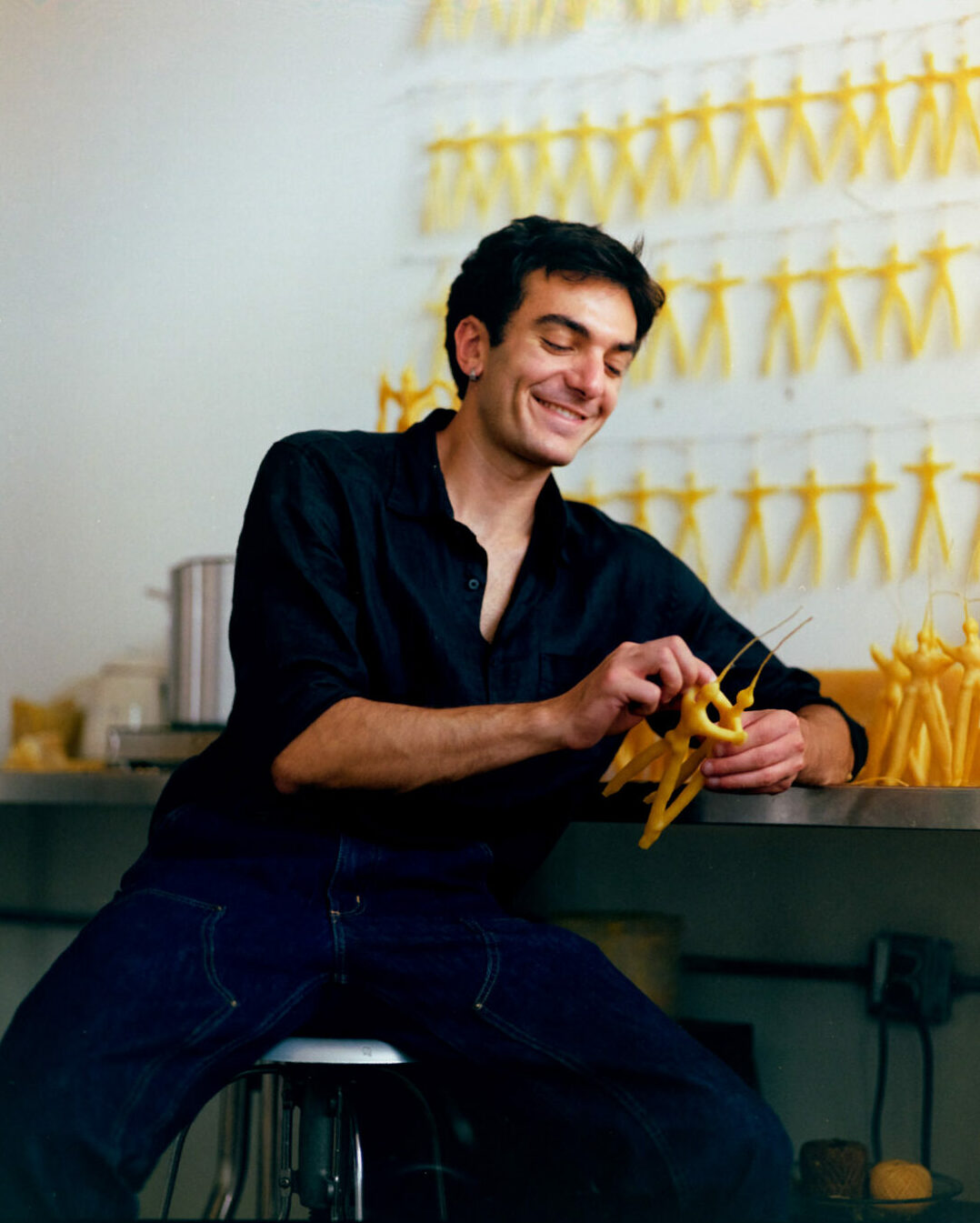
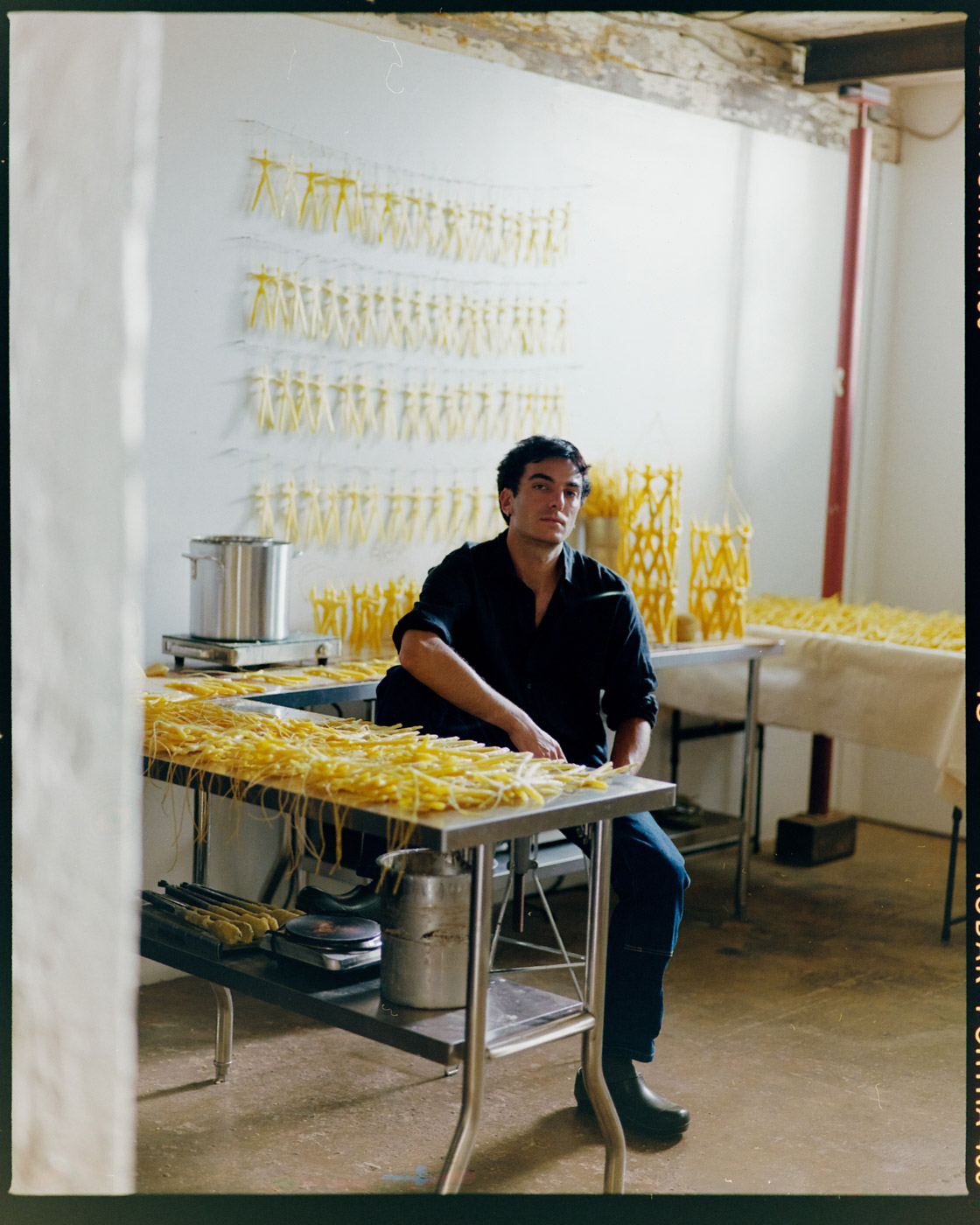
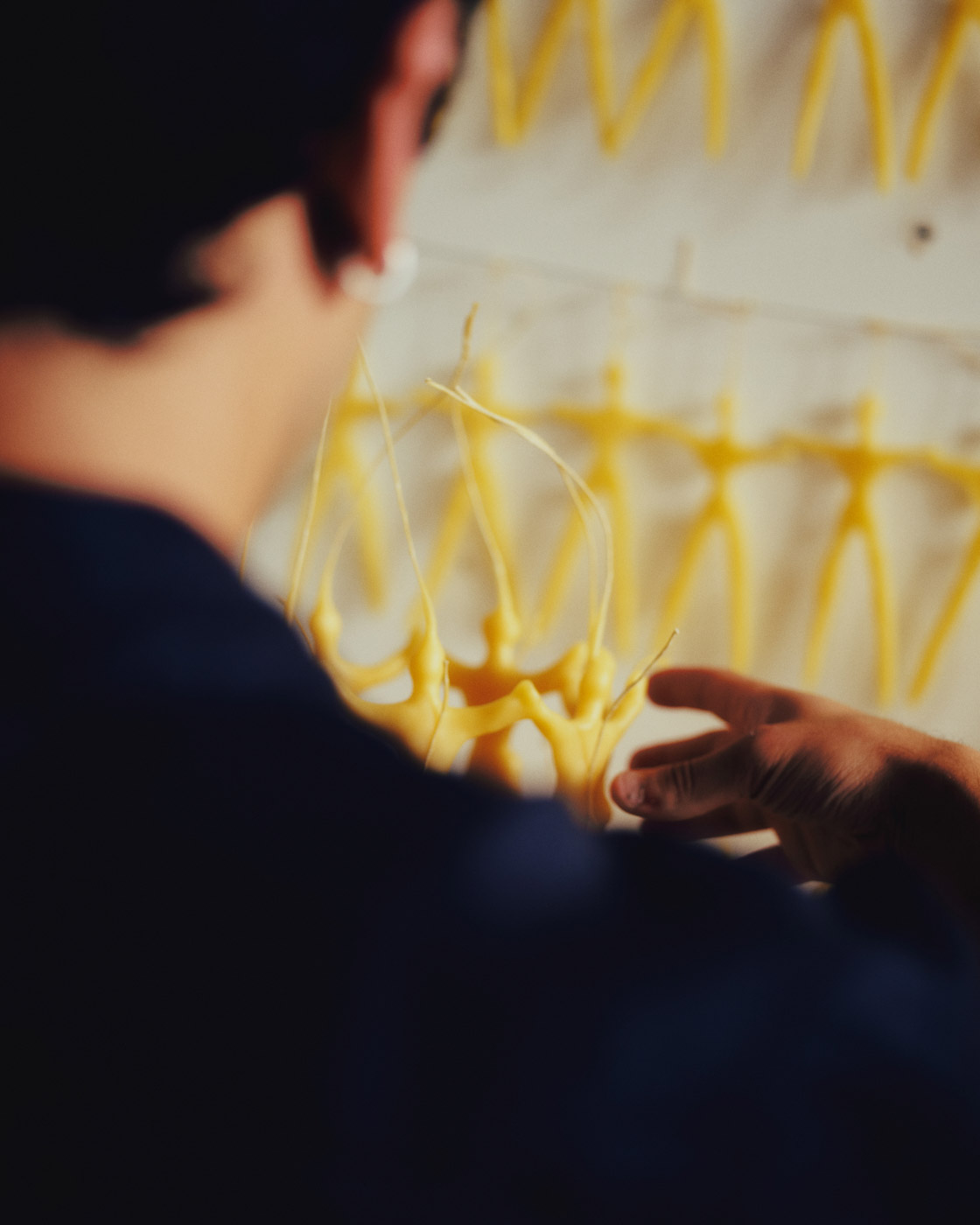
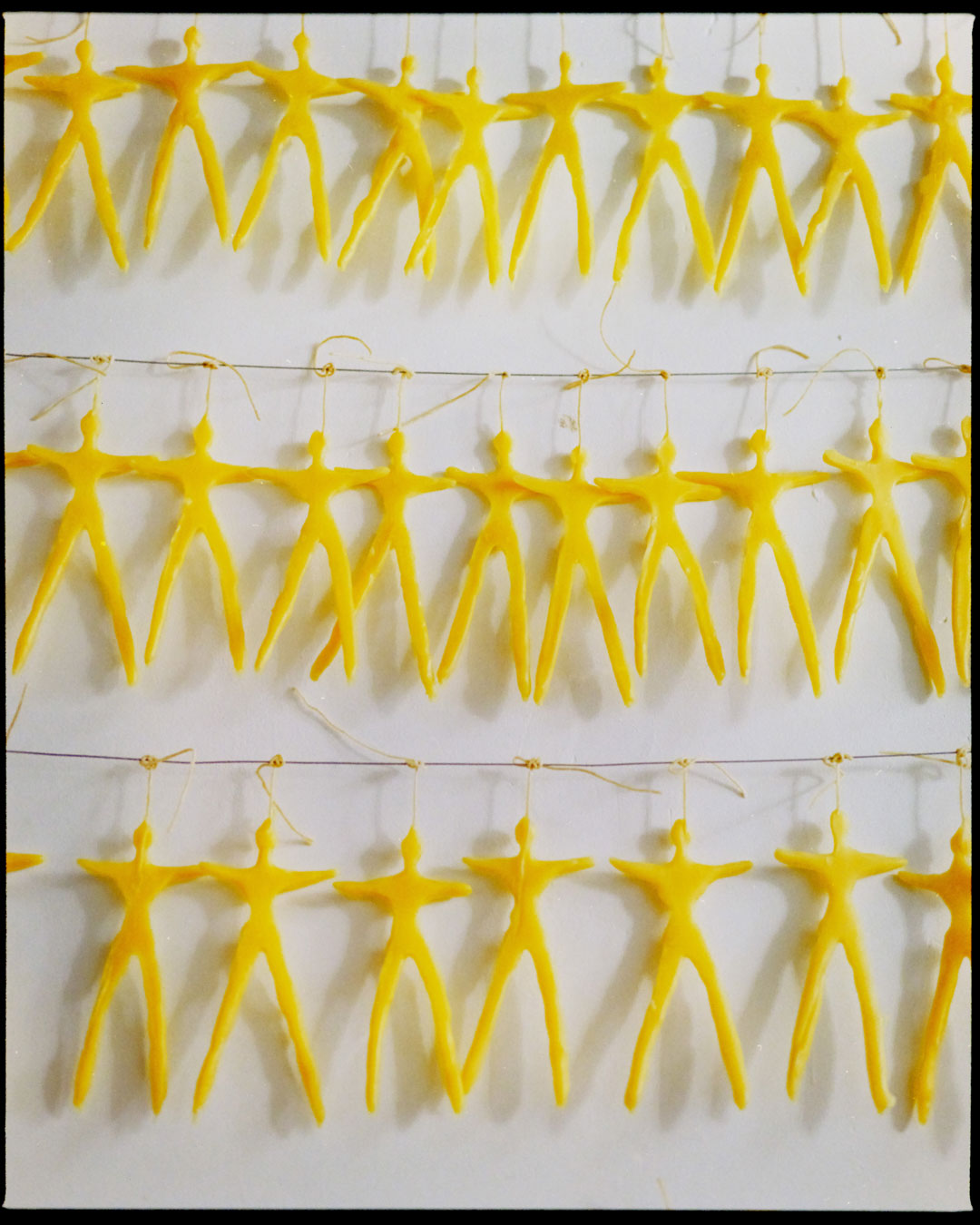
Samuel Warkov’s sculptures look like they grew rather than got made. He works in beeswax mixed with organic material, and the results sit somewhere between a body and a landscape. Sometimes closer to architecture, sometimes closer to something alive. There’s a fragility to the pieces, but also real heft; they feel caught mid-change, like you’re seeing them at one frame of a much longer process. It’s hard to say where the body stops and the natural world takes over.
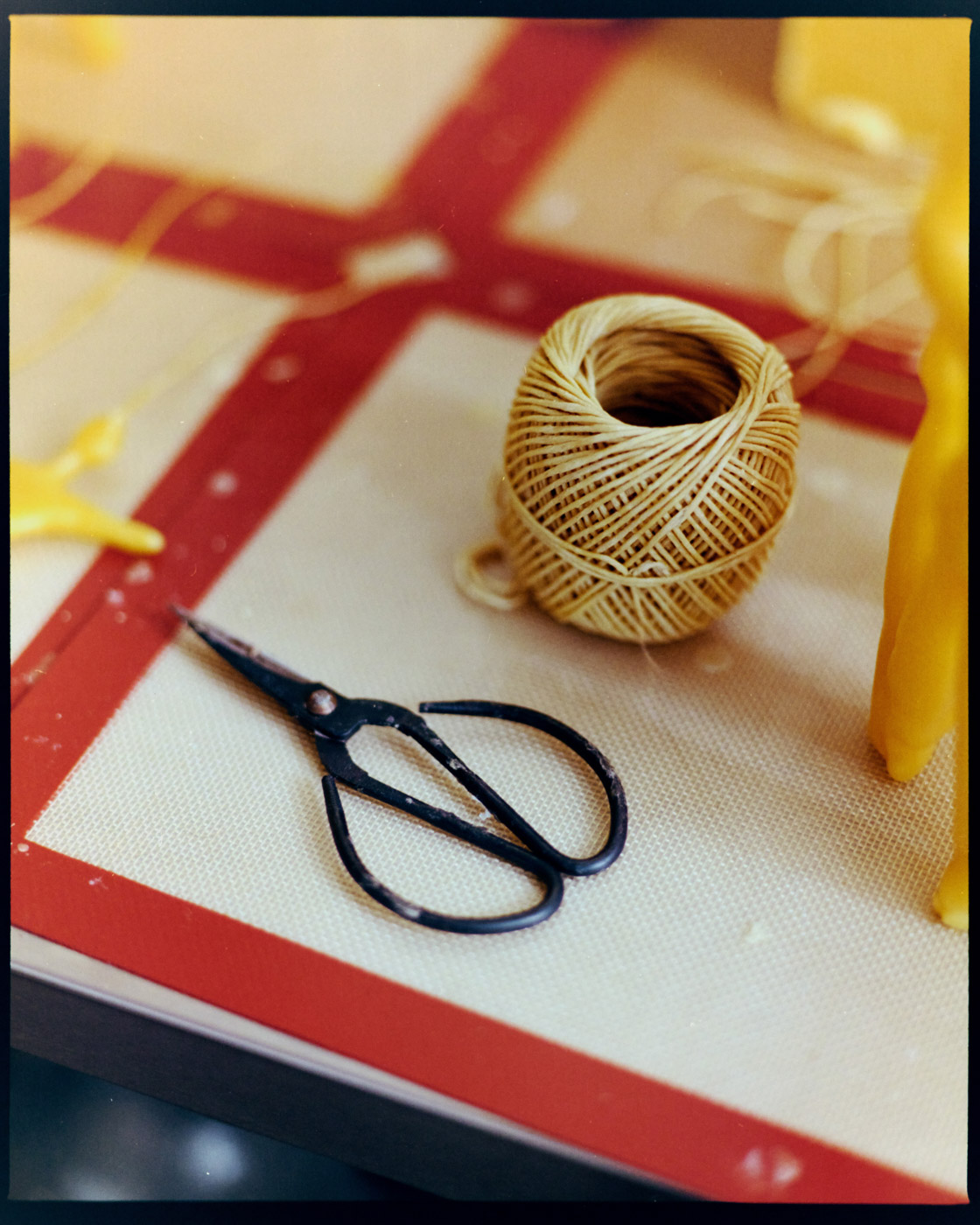
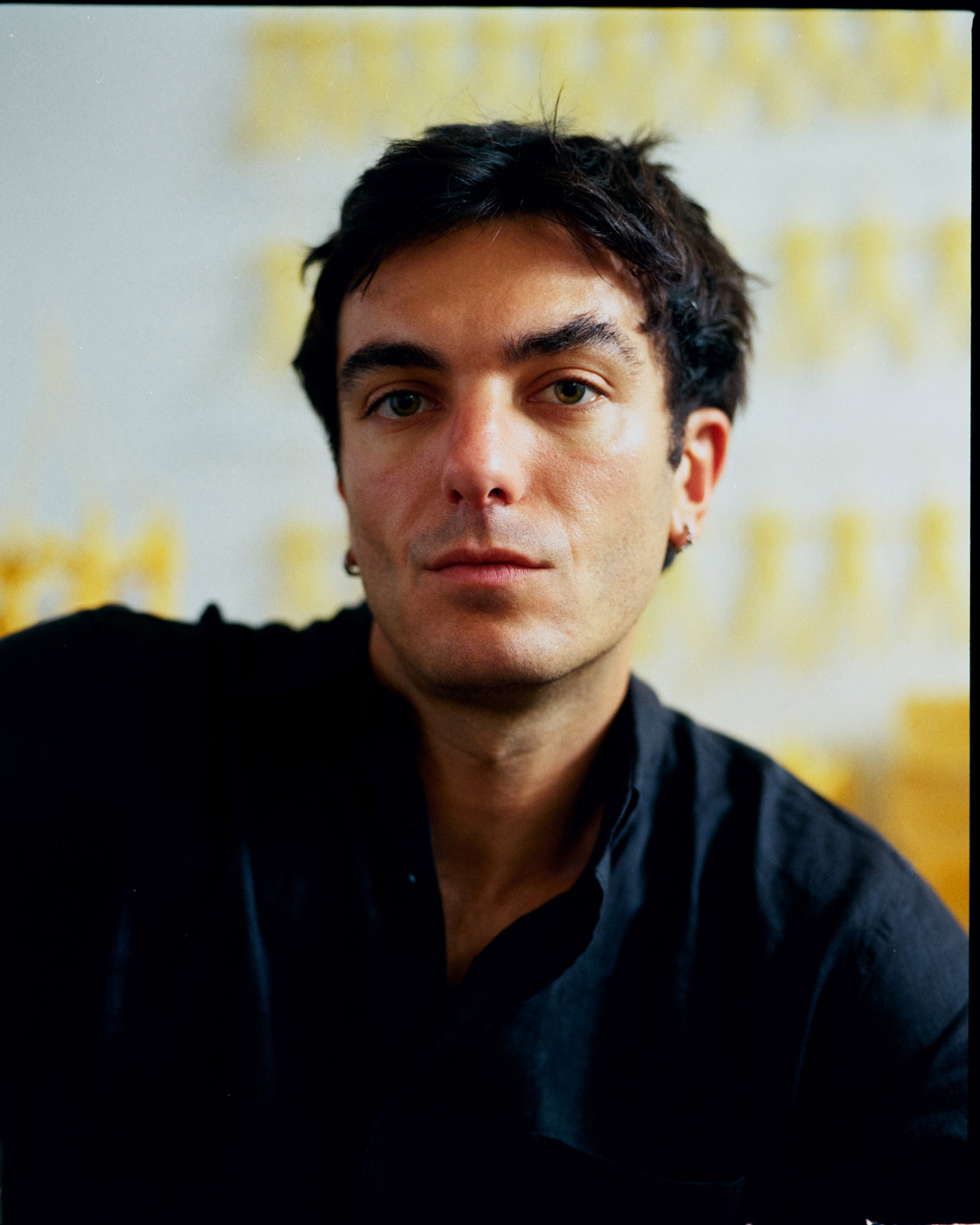
Cason Lukens Latimer photographed Warkov in his studio, and Arxipelag reached out to the artist for a short interview.
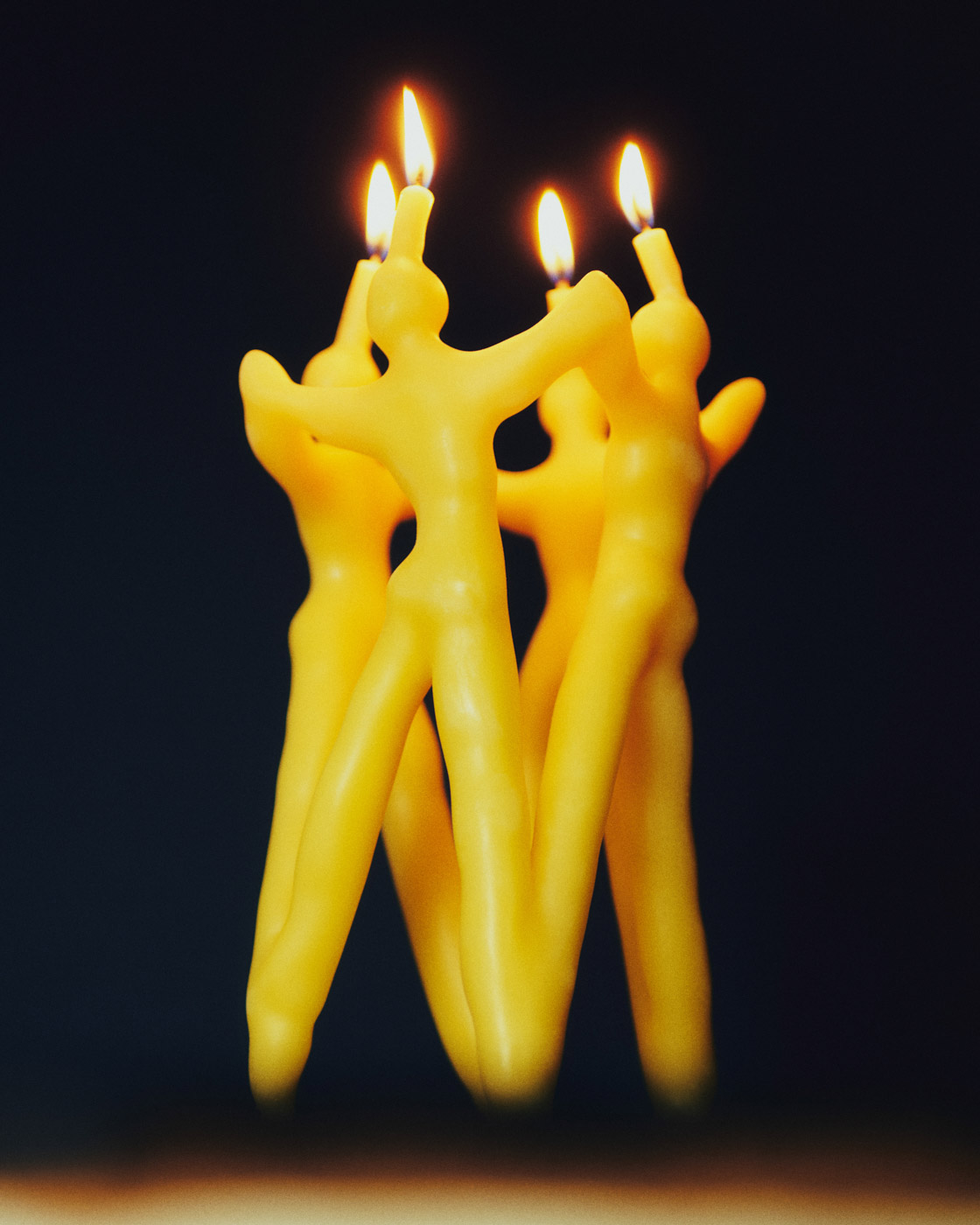
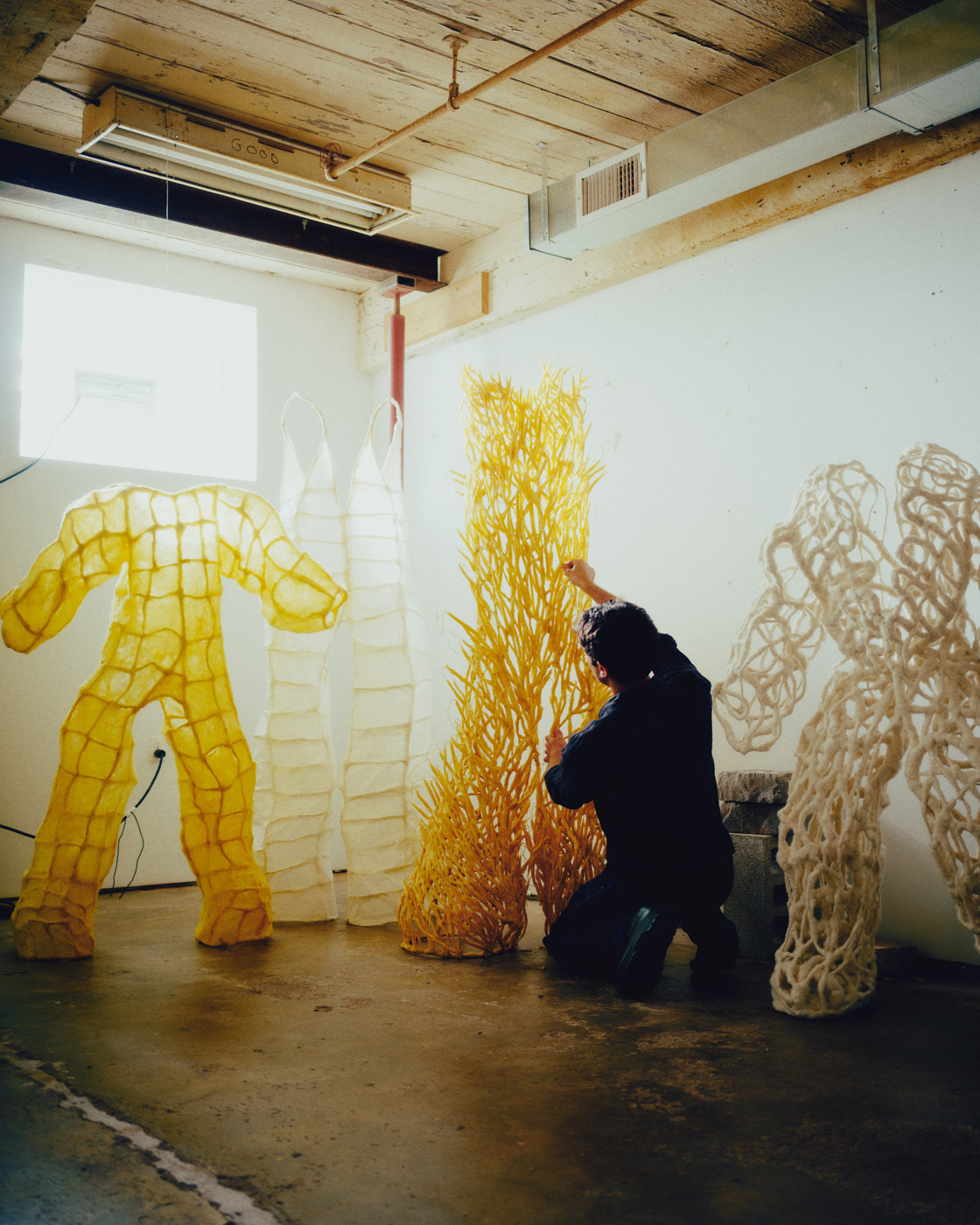
Enrico Caputo: Your sculptures seem to exist in a constant tension between fragility and monumentality. They appear delicate enough to break, yet they occupy space with the authority of monuments or ancient ruins. Is this paradox something you consciously pursue, and what does it allow you to communicate?
Sam Warkow: I would propose that this tension is inherent to the materials’ relationship to time and their responsiveness to conditions of their environments. The forms may feel enduring but physically they’re never entirely fixed, more balanced…They could be considered temporal monuments, more in line with the ephemerality of myth or memory. From creation they’re required to acknowledge impermanence which I’d consider a solidity that comes not from resisting change, but from existing within it.
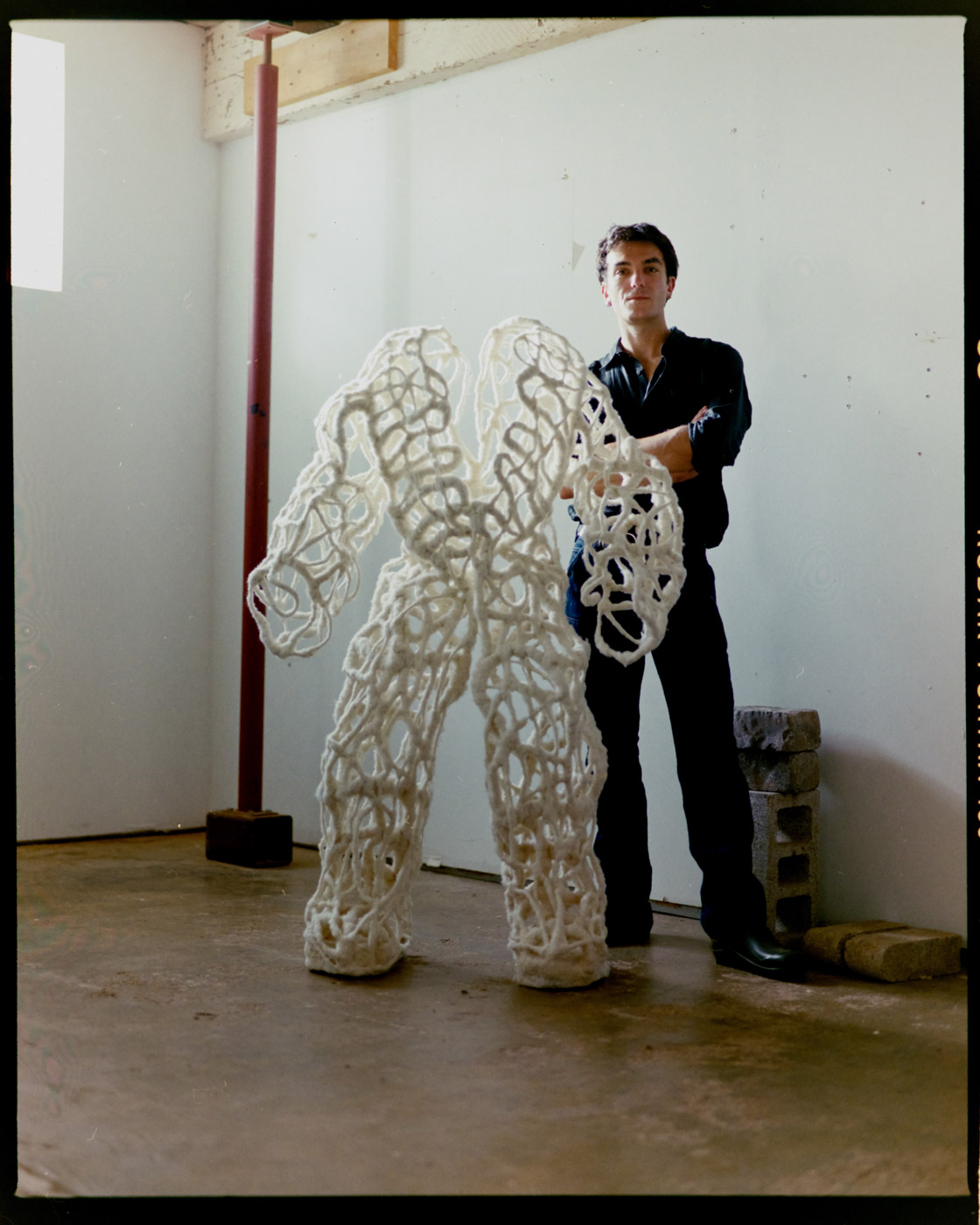
EC: Many of your sculptures are eventually worn by the body, shifting from static objects to performances. How does inhabiting the work transform its meaning? At what point does the sculpture stop being an object and become an extension of yourself?
SW: I think of these as both forming an inner system and an outer shell, between garment, armor, and statue. The space they make for the body is less a necessity than a proposal for a being that hasn’t fully arrived yet. I don’t draw a line between whether you are wearing a suit or if a suit is wearing you. They ask one to move differently, to temporarily inhabit another being with a different set of rules. In that sense, the wearing is part of a process of disappearing as the distinction between the object and the body becomes less certain.
EC: Your forms often feel as though they have grown rather than been built. They recall roots, branches, skin and bone without ever fully belonging to one world. What draws you to this space where the human body and natural systems become indistinguishable?
SW: For me it’s a moment in metamorphosis when something is between two states. Mid turning into a plant or animal, clay becoming a body, a body becoming stone. I want the work to follow a growth logic of branching or shedding, the forms caught in the act of becoming something else. I’m drawn to something ancient, beings in evolution that exist before they are given names.
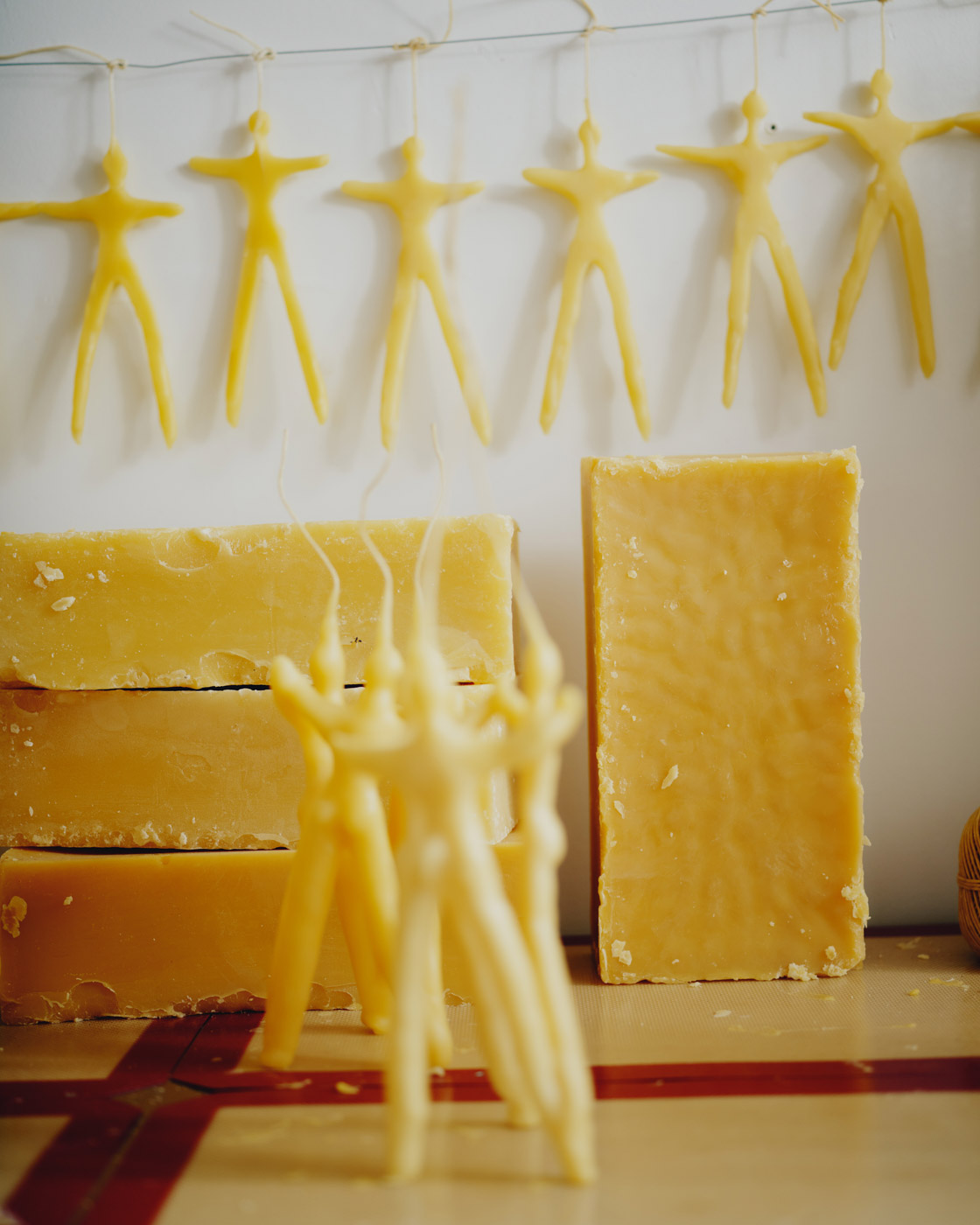
EC: Beeswax carries with it ideas of labour, community and transformation. Beyond its material qualities, what does this medium allow you to express that other materials cannot?
Beeswax can melt, solidify, burn, and then begin it all again. I’m interested in that cycle of becoming and undoing, like a return to a primordial state. It is created to serve architecturally in the hive and that memory is held within the material’s capacity for layers of growth. The construct of the beeswax as candles is a key to this. Whether active or dormant they hold the possibility of their own potential transformation without necessarily having to enact it. I don’t think of burning as destruction but an activation, like a dance, it is just another state the work can enter.
Cason Lukens Latimer
Cason Lukens Latimer is a NYC based photographer whose practice explores the intersection of art, design and travel. Originally from Austin, Texas, he studied graphic design in Boston before moving to New York City in 2011. He views photography as a way to explore emotion and time, with an emphasis on natural light and color. He constantly experiments with subject matter, composition and style, using photography as an evolving and living medium to navigate life. Coming from a highly technical and traditional photography training, he blends modern and analog techniques to explore and push his ideas further.